root-architecture
Root architecture refers to the spatial organization and structural arrangement of a plant's root system, including root depth, branching patterns, and distribution within soil. This is fundamental to plant science because root structure directly determines a plant's efficiency in acquiring water and nutrients, providing soil stability, and achieving overall productivity. Understanding root architecture is essential for optimizing crop performance and revealing how plants adapt to varying environmental and soil conditions.

Root Structural and Metabolic Plasticity Confers Tolerance to Salin...
Rising seas and climate-driven flooding are turning farmland salty and waterlogged worldwide, and...

Sweet shaping of root system architecture under water deficit.
Every time a drought summer cracks your garden soil, your plants are already running this exact s...
Lateral Root Development: Molecular Mechanisms and Adaptive Regulation.
Every time you forget to water one corner of your garden, your plants are already redirecting roo...
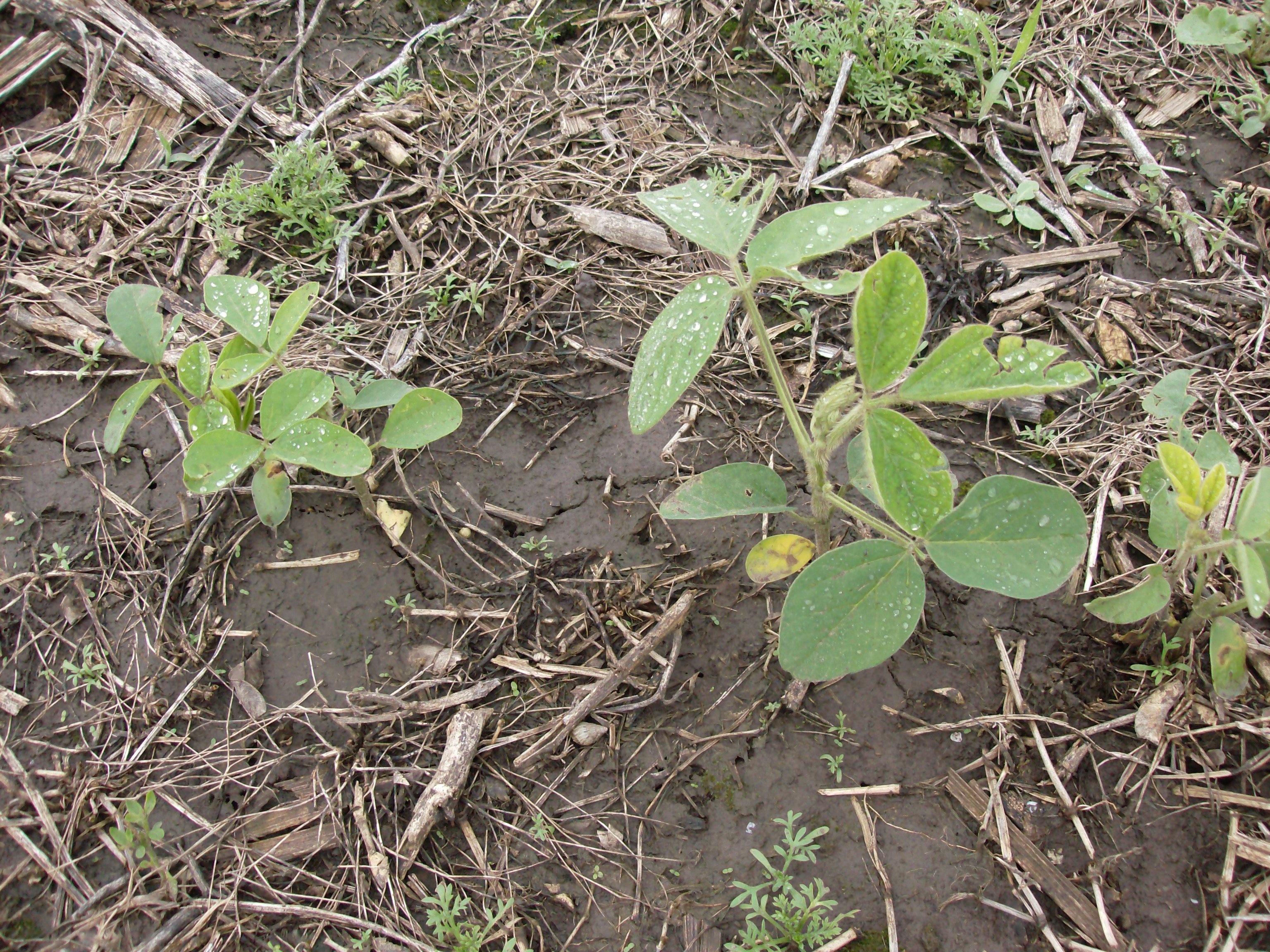
ClearDepthIAS enables automated high-throughput quantification of r...
Farmers and plant breeders are racing to develop crops whose roots dig deeper into soil — which m...

Improving root-soil adaptability by modifying root system architect...
Rice roots engineered to dig deeper or branch smarter could cut water use on the paddy fields tha...

Translating Arabidopsis-based insights into gravitropic set-point a...
The angle at which roots dive into soil determines whether a plant survives a dry summer or starv...


