plant-pollinator-interactions
Plant-pollinator interactions encompass the ecological relationships between flowering plants and the animals that transfer pollen between them, forming complex mutualistic networks that are fundamental to plant reproduction. These interactions are critical to plant science because the majority of flowering plants depend on animal pollinators for successful fertilization and seed set, directly influencing plant fitness, genetic diversity, and population dynamics. Understanding the structure and resilience of these networks helps researchers predict how changes in pollinator communities—due to habitat loss, climate change, or pesticide use—will affect plant reproductive success and ecosystem stability.
open_in_new WikipediaFirst direct quantification of floral handling costs in bees.
Every tomato, blueberry, or eggplant you grow that needs 'shaking' to release pollen depends on b...

Bloom timing shapes how a bumblebee gut parasite spreads between flowers
The wild bergamot blooming in your pollinator garden isn't just pretty - when it peaks relative t...
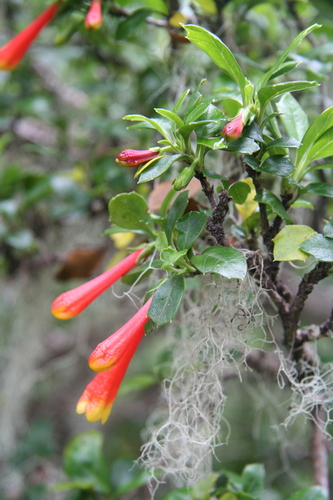
Nectar-stealing bees drain tubular flowers but leave seed productio...
Next time you spot a bumblebee hovering at the base of a tubular flower instead of its mouth, you...
Environment and Pollen Diversity Differentially Affect the Gut Micr...
The bees pollinating your vegetable garden and fruit trees carry gut bacteria shaped by the local...