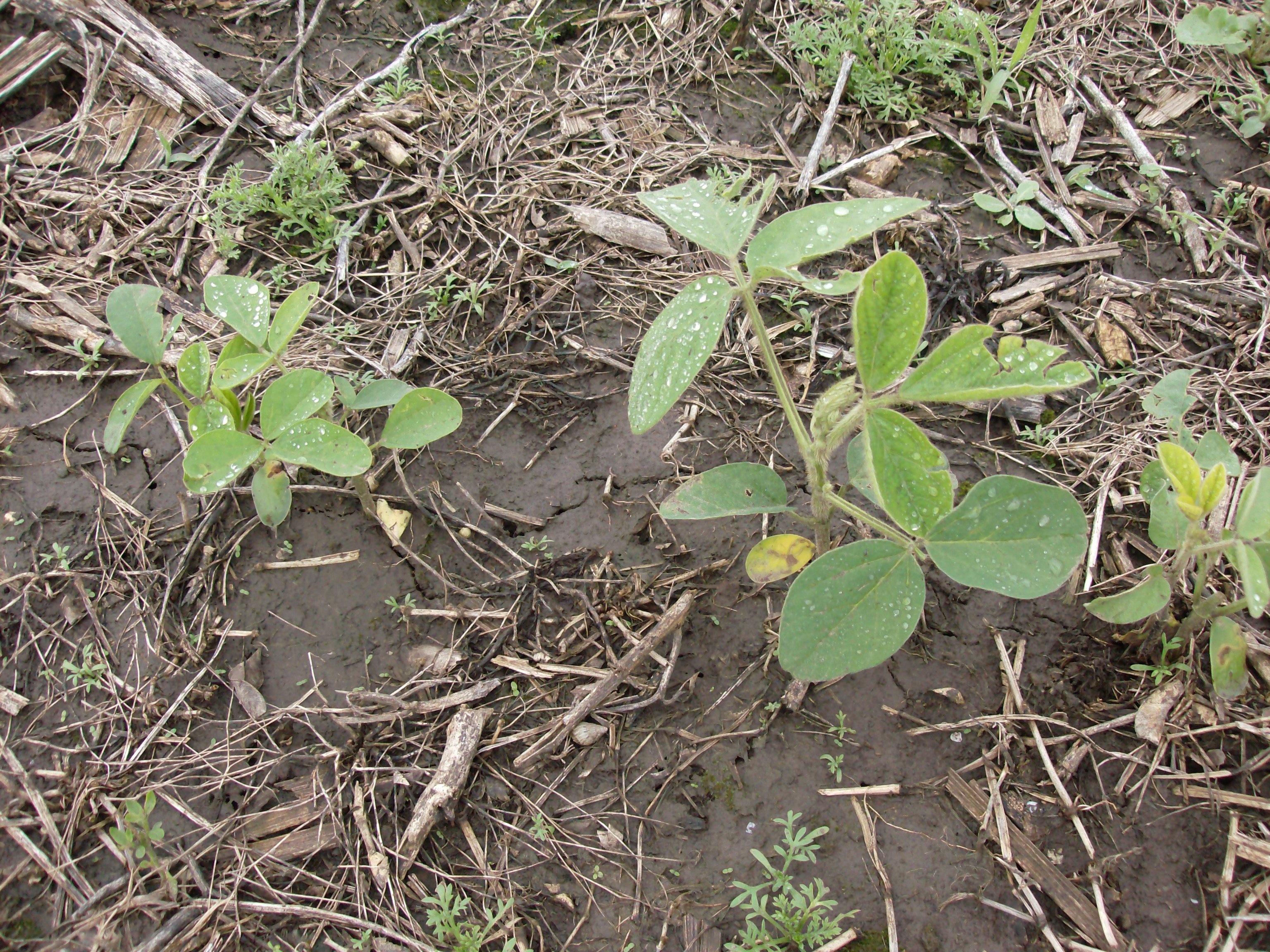
plant-microbe-signaling
Plant-microbe signaling refers to the molecular communication that occurs between plants and microorganisms, including bacteria and fungi, through chemical signals such as hormones, secondary metabolites, and receptor-mediated recognition pathways. These interactions can be mutualistic, as in nitrogen-fixing symbioses, or defensive, as in pathogen recognition and immune responses. Understanding these signaling networks is central to plant biology because they influence nutrient acquisition, disease resistance, and growth—offering potential pathways for developing more resilient and sustainable crops.

Multimodal learning reveals plants' hidden sensory integration logic.
Understanding how plants 'listen' to helpful fungi could soon lead to crops that need fewer pesti...
Translational microbiomes in agriculture: microbial communities as ...
Invisible communities of microbes living in your garden soil and on plant roots are increasingly ...
Molecular pathways in plant growth-promoting rhizobacteria-plant in...
These beneficial bacteria are already living in the soil of your garden and farm fields — underst...

Bacterial microbiota dynamics of Cannabis sativa L. under biotic st...
Same invisible soil bacteria that help your garden plants thrive can be knocked off balance by a ...

Host-specific fluorescence dynamics in legume-rhizobium symbiosis d...
Bacteria living in legume roots do the invisible work of turning air into plant food, potentially...