phytohormone-signal-transduction
Phytohormone signal transduction refers to the molecular pathways by which plant hormones—such as auxin, cytokinin, ethylene, and jasmonic acid—are perceived by receptors and translated into cellular responses that alter gene expression and physiology. This signaling network coordinates virtually every aspect of plant life, from seed germination and growth to stress responses and defense against pathogens. Understanding these pathways is essential for uncovering how plants integrate environmental cues with developmental programs to adapt and survive.
open_in_new Wikipediaγ-Aminobutyric Acid (GABA): Metabolite, Messenger, and Mediator of ...
Understanding how plants naturally manage stress through GABA could lead to crops that survive dr...

The NPR7-TGA6-MYB1 module promotes anthocyanin biosynthesis and int...
Red color of apples isn't just cosmetic — anthocyanins are the antioxidants that make apples heal...
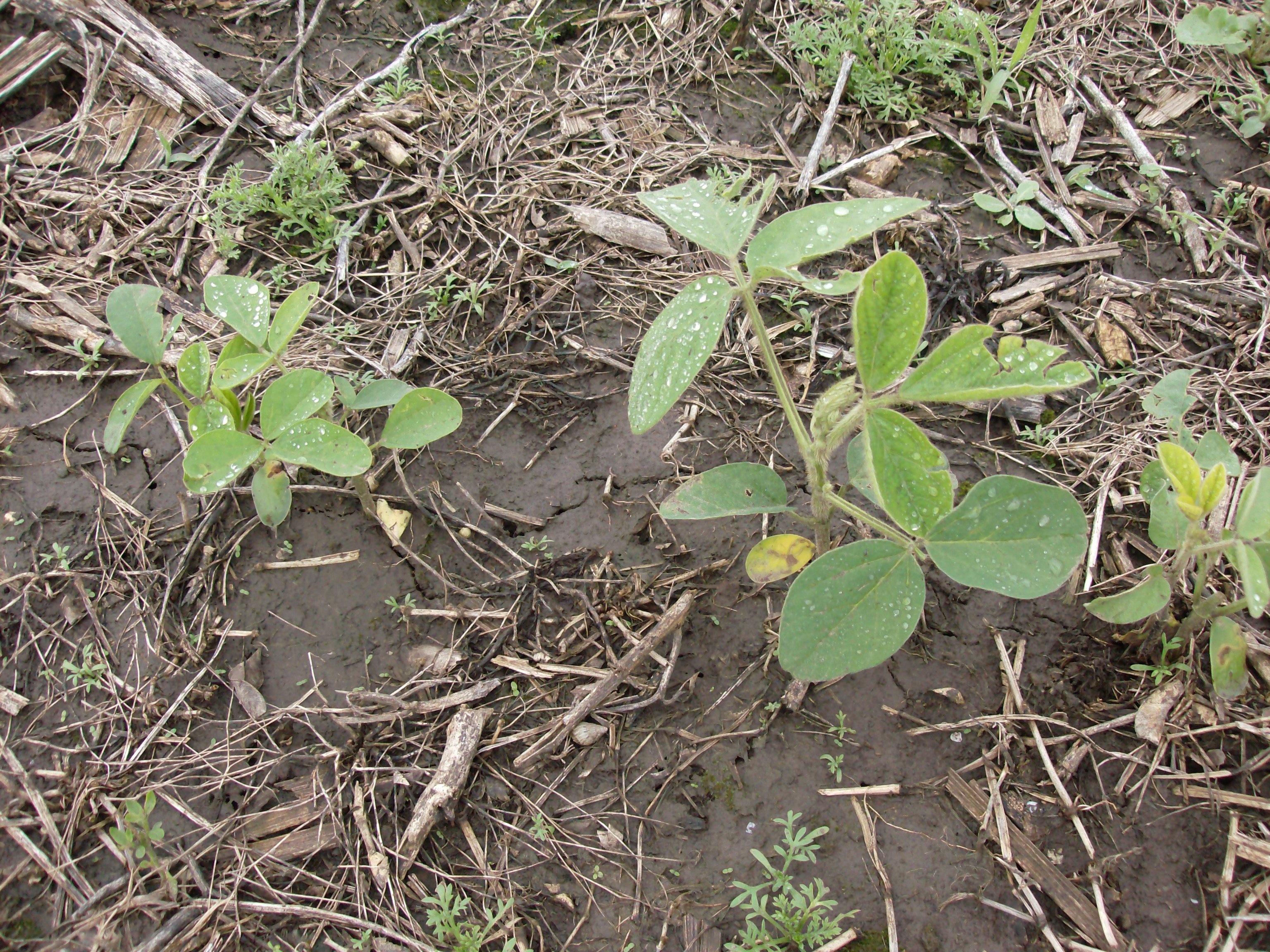
GmMYB84, a transcription factor, confers cadmium tolerance in soybe...
Cadmium — a toxic heavy metal from industrial pollution and some phosphate fertilizers — silently...

MEDIATOR25 integrates jasmonate signaling with specialized metaboli...
Madagascar periwinkle produces compounds used in childhood leukemia drugs, and understanding the ...
The MdOST1-MdCNGC1C-MdCaM7.1 module fine-tunes cold-induced calcium...
Understanding exactly how apple trees sense and survive freezing could help breeders develop fros...

Multifaceted roles of BBX transcription factors: impacts on key agr...
Understanding BBX proteins could lead to crop varieties that produce more food, stay healthier un...
Hidden players in plant response to sulfur deficit and beyond: insi...
Sulfur is a nutrient that affects the flavor of vegetables like broccoli and garlic, the health o...

One gene controls drought tolerance, root growth, and seed size in plants
Understanding how a single plant gene can boost drought and salt tolerance could help scientists ...