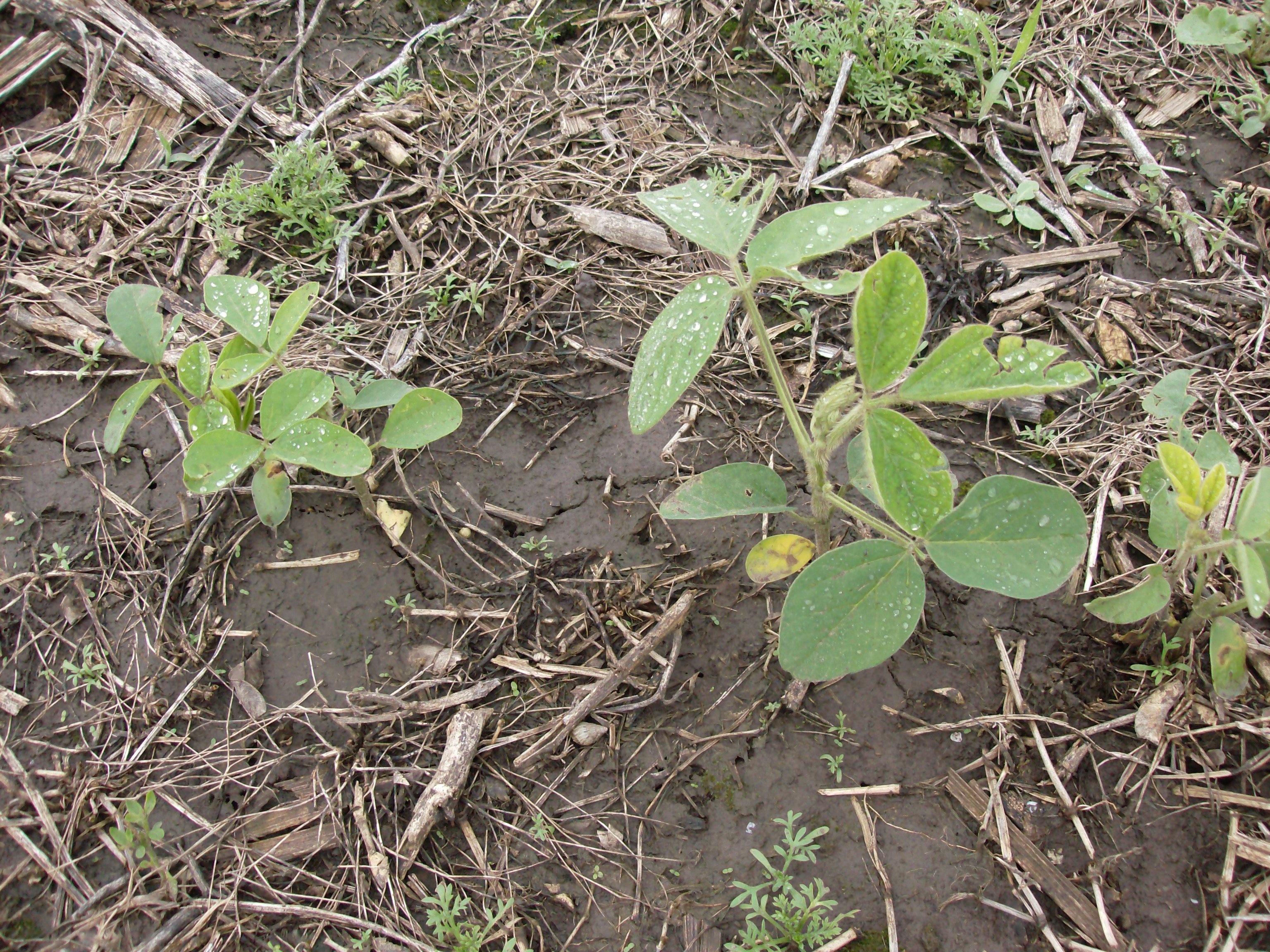
Physical pest barriers are protective structures or materials—such as netting, row covers, or plant-based structural defenses like trichomes and thickened cell walls—that block insects and other pests from directly accessing and damaging crops. This approach matters in plant science because it offers a non-chemical method of pest management, reducing crop losses while minimizing reliance on pesticides. Studying these barriers also helps researchers understand natural plant defense mechanisms that could be enhanced through breeding or biotechnology.
Coating soybean plants with kaolin, a fine white clay, cuts pest insect egg-laying by over 70% and kills more than 75% of larvae and nymphs that do hatch, while also boosting the plant's own chemical defenses. Field trials confirmed that pest numbers on treated plants rivaled those on plants sprayed with conventional insecticides.
1
Gravid female insects avoided kaolin-treated plants in over 70% of oviposition choice trials, matching avoidance rates seen with conventional insecticide treatments.
2
Immature insect survival (larvae and nymphs) dropped by more than 75% on kaolin plus insecticide-treated plants compared to untreated controls.
3
Field applications showed pest abundance on kaolin-treated soybeans was significantly lower than on untreated controls, with effects comparable to insecticidal sprays.
mail
Weekly plant science — one email, Saturdays.
Check your inbox to confirm — link expires in 24 hours.
Something went wrong — please try again.
Too many signup attempts from your network. Try again in an hour, or email hello@plant.news.