open-data
Open data refers to datasets and research outputs that are freely accessible, shareable, and reusable by anyone without restriction. In plant science, open data accelerates discovery by enabling researchers worldwide to aggregate and reanalyze genomic, phenotypic, and ecological datasets across diverse species and environments. This collaborative approach is especially valuable for addressing challenges like crop improvement and biodiversity conservation, where large-scale, cross-institutional data sharing is essential.
open_in_new WikipediaNAMPHORA: a fossil and modern pollen database from Northern Africa ...
The same climate patterns that turned a lush, rainy Sahara into today's desert are now shifting a...
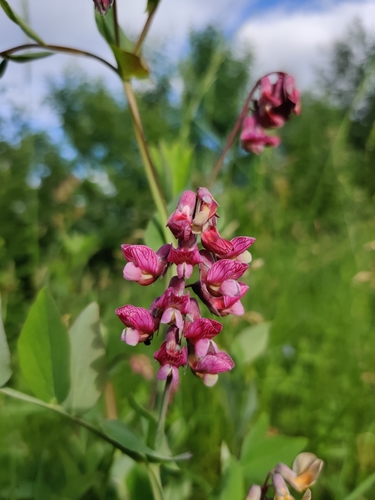
Genetic regulation of grass pea response to powdery mildew - Resour...
Powdery mildew is the chalky white coating that kills your pea and bean plants mid-summer — under...

Shotgun metagenomic dataset of leaf endophytic microbiome of the ga...
The microscopic hitchhikers living inside your sage plant's leaves may be shaping the very oils a...

A comprehensive transcriptomic dataset of Sorghum bicolor seedlings...
Sorghum quietly feeds hundreds of millions of people in the world's driest, hottest regions — and...
Peatland Mid-Infrared Database.
Peatlands store twice as much carbon as all the world's forests combined, and better tools to stu...
BioTD: An Online Database of Biotoxins.
Dozens of plants in your garden or local woods — from foxglove to monkshood — produce compounds t...