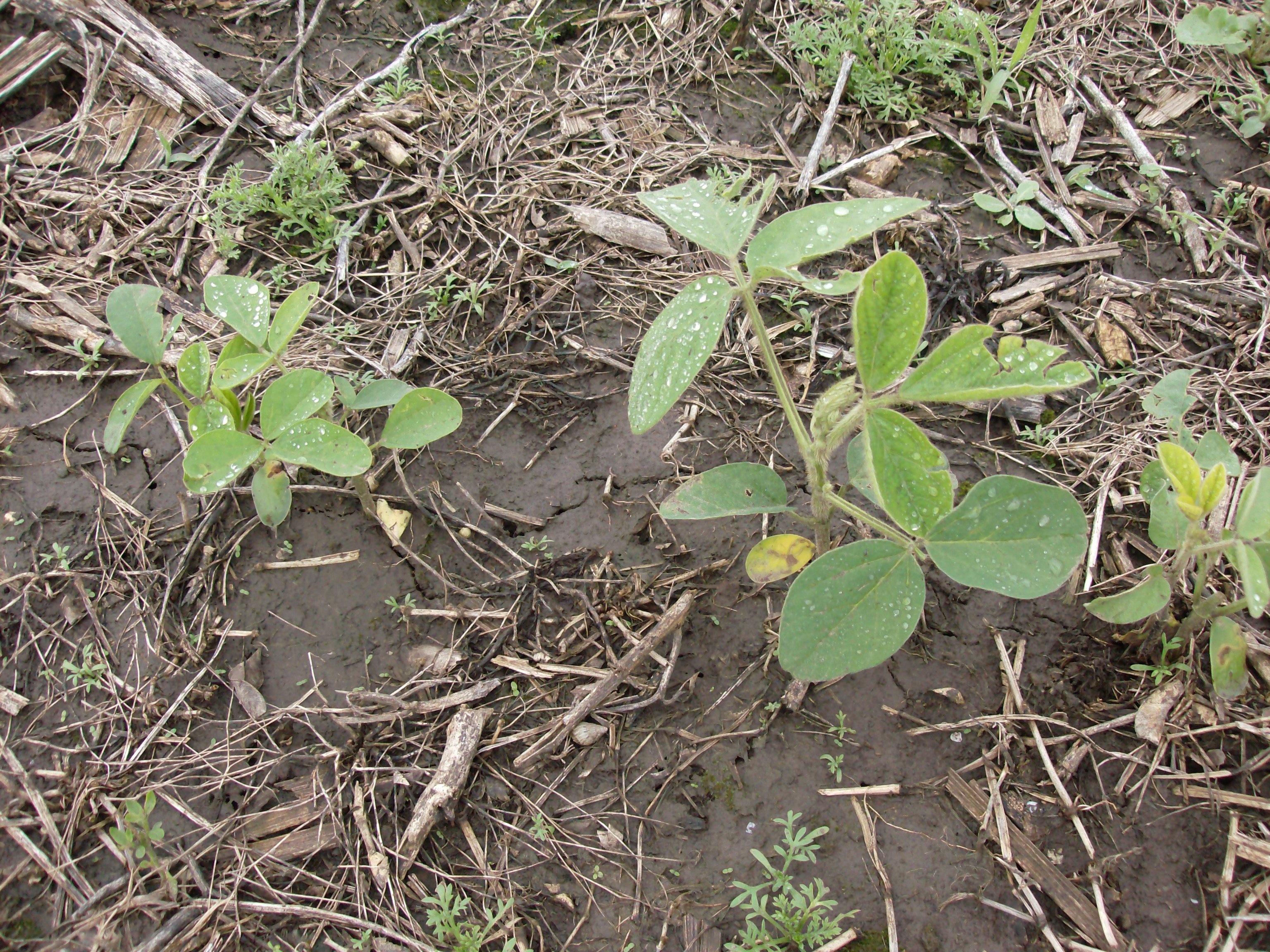
Microbial fermentation is the process by which microorganisms break down organic compounds—such as plant-derived sugars—through anaerobic metabolism, producing ATP and various organic byproducts. In plant science, this process is central to understanding how soil microbiomes interact with plant root systems and how plant biomass can be converted into valuable compounds like biofuels, organic acids, and bioactive metabolites. Harnessing microbial fermentation also plays a key role in improving soil health, nutrient cycling, and the sustainable processing of agricultural crops.
Scientists used gut bacteria fed on sugarcane and soybean byproducts to manufacture brain-active medicines at scale, cutting production costs by 90% and carbon emissions by 95% compared to conventional lab media — all without any animal-derived ingredients.
1
Three gut bacterial strains each produced a different neurosteroid isomer with high stereospecificity, eliminating the need for costly chiral separation steps.
2
Using a plant-derived medium made from sugarcane molasses and enzymatically treated okara (soybean pulp), researchers achieved over 95% conversion of progesterone into target neurosteroids.
3
Compared to standard lab growth media, the plant-based medium reduced production costs by 90% and carbon footprint by 95% in multigram-scale batch trials.
mail
Weekly plant science — one email, Saturdays.
Check your inbox to confirm — link expires in 24 hours.
Something went wrong — please try again.
Too many signup attempts from your network. Try again in an hour, or email hello@plant.news.