inflammation
Inflammation refers to the biological defense response triggered in tissues by pathogens, physical damage, toxins, or stress, characterized by heat, swelling, redness, pain, and loss of function. While classically studied in animals, analogous defense responses in plants involve localized cell signaling, reactive oxygen species production, and tissue-level immune activation following wounding or infection. Understanding these parallel mechanisms helps researchers decode how plants mount systemic resistance and develop targeted strategies for improving crop resilience against pests and disease.
open_in_new Wikipedia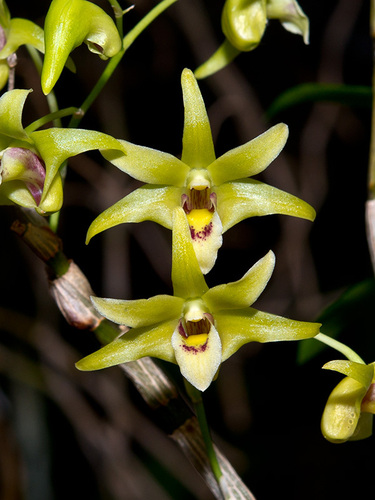
Dendrobium huoshanense polysaccharides alleviate DSS-induced ulcera...
It shows that a specific part of a traditional medicinal orchid — the stem — holds the most thera...

Astragalin alleviates ulcerative colitis via FPR1 inhibition and re...
A plant compound already present in everyday herbs and vegetables may one day help treat debilita...
Dietary patterns and endothelium dysfunction: a literature review.
Growing and eating the leafy greens, legumes, and colorful vegetables in your garden may be one o...
Traditional Chinese medicine treatment of asthma: From the insight ...
Herbs that traditional healers have prescribed for lung conditions for centuries are now being ma...
Plant compound rutin calms runaway immune response and protects lun...
Rutin is the same pigment-like flavonoid that shows up in buckwheat, citrus peel, and the leaves ...
Variation in Microbiome Composition and Faecal Metabolites Are Asso...
Same gut bacteria that influence disease in mice are shaped by diet — including the fruits, veget...
Biochemical pathways linking adiposity, diet, and endometrial carci...
The vegetables and whole grains you grow or buy at the farmers market directly influence the insu...
