food-as-medicine
Food-as-medicine is an interdisciplinary field that investigates how the bioactive compounds found in edible plants—such as polyphenols, alkaloids, and terpenoids—can prevent or treat disease through regular dietary consumption. For plant scientists, this framework drives research into the biosynthetic pathways responsible for producing these therapeutic compounds, informing efforts to breed or engineer crops with enhanced medicinal properties. Understanding the ecological and genetic factors that regulate phytochemical production is central to developing functional foods that bridge nutrition and pharmacology.
Plant proteins for human health: the current status and future needs.
Swapping even a few meals a week to dishes built around the lentils, beans, or chickpeas you can ...
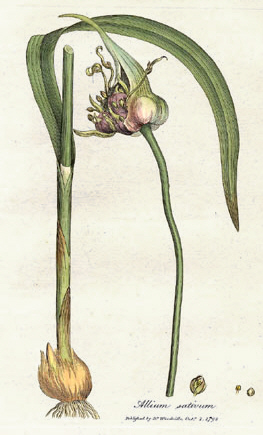
Steamed garlic attenuates ulcerative colitis in mice by modulating ...
Garlic you grow or buy at the farmers market may be far more medicinal than you realize — and som...
Plant-Derived Foods and Medicines as Modulators of the Gut Microbio...
Herbs and vegetables you grow — garlic, ginger, chamomile, turmeric — don't just flavor your food...
Polyphenol-Loaded Plant Extracellular Vesicles: A New Approach to C...
Berries, herbs, and vegetables in your garden are packed with polyphenols, and this research sugg...
Red Meat, Plant Protein, and Colitis: Emerging Roles for the Gut Mi...
Legumes and seeds you grow in your garden — lentils, beans, sunflower — are the exact foods this ...
Plant-based whole-food diets are feasible during auto-HCT and are a...
Every high-fiber meal you eat from your garden — the beans, the kale, the winter squash — activel...

Interactions between nutrition, GLP-1 secretion, and composition of...
The oats or barley you grow for breakfast feed gut bacteria that, in turn, release chemical signa...

Distinct microbial mediators link diet to inflammation in Crohn's d...
Every handful of beans, leafy greens, or berries from your garden feeds gut bacteria that activel...
Metabolomic patterns of dietary protein intake and their link to ca...
Swapping even some animal protein for plant-based foods like lentils, beans, or tofu shifts your ...
Harnessing edible extracellular vesicles for inflammatory bowel dis...
Tiny vesicles shed by the edible plants in your garden — not extracted chemicals, but the plants'...


