Edible oils are plant-derived lipids extracted from seeds, fruits, and other tissues, valued for their culinary properties and nutritional profiles. In plant science, understanding the biosynthesis and regulation of these oils is central to improving crop quality, yield, and fatty acid composition through breeding and biotechnology. Research into plant lipid metabolism also informs efforts to develop healthier oil profiles and more sustainable agricultural production.
Scientists used CRISPR gene editing to create soybean varieties with significantly higher levels of heart-healthy oleic acid while simultaneously eliminating the grassy, beany off-flavors that deter many consumers from soy products — and the edited plants grew just as well as conventional soybeans in the field.
1
Editing two fatty acid desaturase genes (GmFAD2-1A and GmFAD2-1B) produced soybeans with very high oleic acid levels, improving the oil's nutritional and oxidative stability profile.
2
Simultaneous knockout of three lipoxygenase genes (GmLOX1, GmLOX2, GmLOX3) eliminated grassy and beany off-flavors caused by oxidation of polyunsaturated fatty acids in the seeds.
3
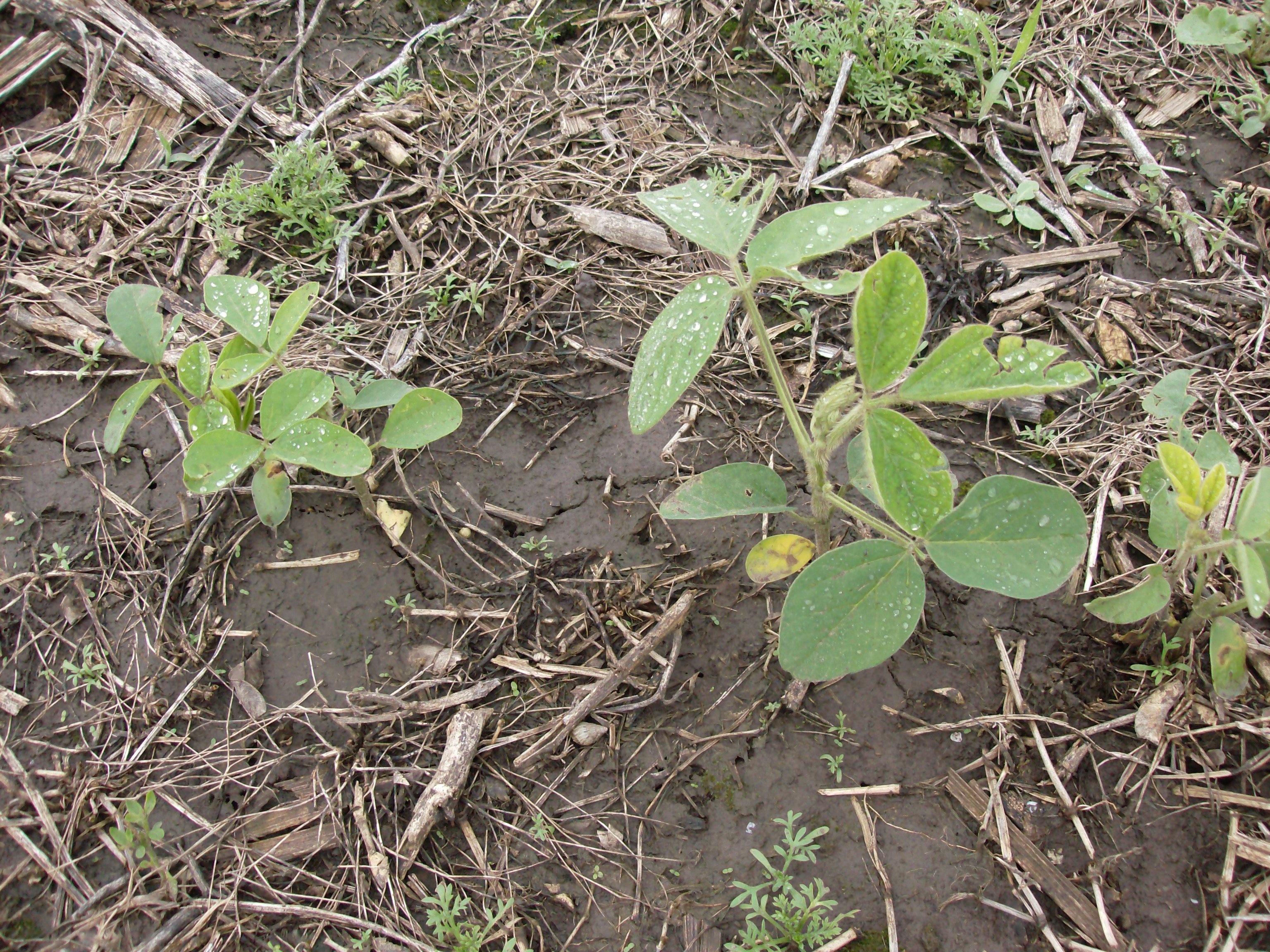
Plants carrying all five gene edits showed no measurable growth or yield penalties compared to the elite parent cultivar Xudou 18 in field trials.
mail
Weekly plant science — one email, Saturdays.
Check your inbox to confirm — link expires in 24 hours.
Something went wrong — please try again.
Too many signup attempts from your network. Try again in an hour, or email hello@plant.news.