carbon-sequestration
Carbon sequestration is the natural process by which plants capture and store atmospheric carbon dioxide in biological tissue and soil. This is central to plant science because plants are the primary agents of this process through photosynthesis, and understanding how different species and ecosystems sequester carbon is essential for managing the global carbon cycle and addressing climate change.
open_in_new WikipediaGlobal density and biomass of arbuscular mycorrhizal fungal networks.
Every tree, shrub, and perennial in your garden is almost certainly plugged into one of these fun...
Global Potential and Trade-Offs of Conservation Tillage for Crop Pr...
Way farmers till the soil in fields near you directly affects the carbon in the air, the health o...
Molecular approaches to increasing plant root carbon.
Crops growing in farmers' fields and even backyard gardens could one day be quietly pulling carbo...

Global distribution and biogeography of ericoid mycorrhizal fungi.
The wild blueberries, heathers, and rhododendrons in your garden or the bogs near you depend on a...

Faster peat moss farming in labs could help rescue degraded peatlands
Peatlands lock away more carbon than all the world's forests and living matter combined, and ever...
Diverse forests help soil microbes store more carbon as temperatures rise
Every mixed-species planting in your yard or neighborhood, from a backyard food forest to a stree...
Enhanced rock weathering in grassland: Impacts of basalt dust on ha...
Spreading crushed rock on hay meadows could let farmers sequester carbon and grow better forage w...

Carbon-fixing bacteria and sediment organic carbon response to the ...
Coastal mangrove forests lock away carbon at rates far exceeding most terrestrial forests, and un...
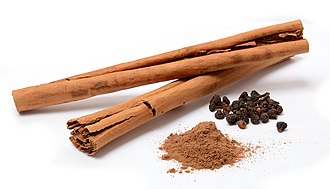
Valorising cinnamon crop residue: Hydrochar production for sustaina...
Cinnamon leaf scraps you'd compost can be converted into a long-lived soil amendment that locks c...
Seasonality of composition, genomic potential and activity of conif...
The invisible microbes packed into forest soil — right under pine and spruce trees — are quietly ...
Long-Term Effects of Straw-Biochar Application and Fertilization Gr...
Mixing biochar into your garden beds doesn't just feed your plants — it locks carbon into the soi...

Fe-modified tea waste biochar enhances short-term soil organic carb...
Spent tea leaves from your morning brew — instead of heading to landfill — can be transformed int...

Biochar fixes cadmium contamination but may release stored soil carbon
Gardeners using biochar to detox vegetable beds near old industrial sites should know that the sa...

Nonenergy Biomass Carbon Removal and Storage (BiCRS): Assessing Dur...
Biochar made from wood or crop waste is increasingly sold as a climate solution and a soil amendm...
Hydrothermal Humification of Biomass for Circular Carbon Management...
The compost you add to your garden beds works partly because of humic acids — and scientists are ...
Lifecycle environmental impacts of biochar in Belgium: The influenc...
Spreading biochar made from chicken manure on your garden beds could do more than improve your so...
Crushed volcanic rock stores carbon in clay, not air
Basalt rock dust sold at garden centers as a remineralizing soil amendment may do far less for ca...
Straw, biochar, and rock dust boost soil carbon; fertilizer and no-...
If you work straw, biochar, or rock dust into a dry-climate garden bed, you're changing how much ...
Iron-modified cement hydration regulates DOM transformation and car...
The concrete retaining walls on hillsides near your local trails and roadsides may be quietly lea...
A genome-wide CRISPR screen reveals how diatoms thrive in dynamic light.
Every breath you take owes something to diatoms: these single-celled algae produce as much oxygen...