Host transcriptional and microbiome metatranscriptomic changes in soybean plants carrying the insect-pathogenic fungus Beauveria bassiana as an endophyte.
Espín-Sánchez D, Russo L, Diambra L, Mannino MC, Scorsetti AC
Biocontrol
The same fungus that gardeners and farmers already spray on pests to kill them can quietly take up residence inside plant tissue and remodel the entire microbial neighborhood toward health — a potential one-treatment win for pest control and disease suppression at once.
Scientists introduced a fungus normally used to kill insects into soybean plants and found it colonized roots, stems, and leaves without harming the plant. Instead, it nudged the plant to photosynthesize more efficiently and ramp up its defenses. It also reshaped the microscopic community living on the leaves, reducing harmful bacteria and fungi while beneficial microbes became relatively more active.
Key Findings
Beauveria bassiana successfully colonized all soybean tissues (leaves, stems, roots) within one week of inoculation without causing visible harm to the host plant.
The fungal endophyte up-regulated plant genes for photosynthesis, lipid and carbohydrate biosynthesis, and stress response, while down-regulating abscisic acid and far-red light response pathways.
Plants colonized by B. bassiana showed a relative decrease in transcripts from potentially pathogenic bacteria and plant-pathogenic fungi, with a concurrent relative increase in beneficial microbial transcripts.
chevron_right Technical Summary
A naturally occurring insect-killing fungus called Beauveria bassiana can live inside soybean plants as a beneficial endophyte, boosting photosynthesis, dialing up stress defenses, and shifting the leaf microbiome away from harmful pathogens — all within one week of inoculation.
Abstract Preview
Entomopathogenic fungi, such as Beauveria bassiana, have been naturally isolated from various plant species and have also been introduced as endophytes to enhance plant health and resilience. These...
open_in_new Read full abstractAbstract copyright held by the original publisher.
Species Mentioned
Was this useful?
Want to tell us more? (optional)
Thanks for the note!
Something went wrong — please try again.
Too many submissions. Try again in an hour.
Targeted knockout of a host peroxisomal peptidase confers field resistance to...
The corn in your grocery store and the staple food keeping millions of East African families fed is under serious threat from a viral disease that can wipe o...
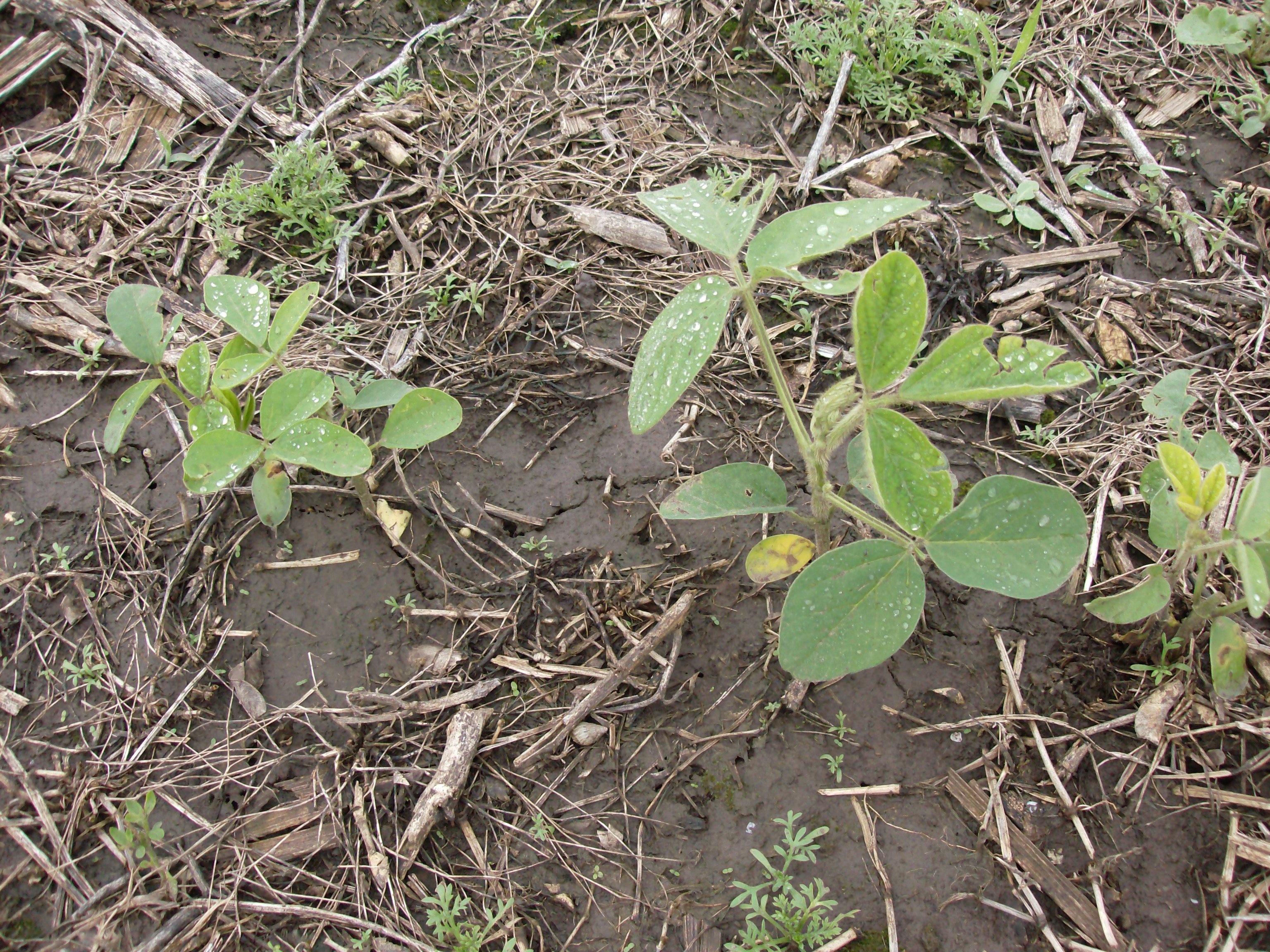
The soybean, soy bean, or soya bean is a species of legume native to East Asia, widely grown for its edible bean. Soy is a staple crop, the world's most grown legume, and an important animal feed.