Unearthing Root Response Mechanisms to Soil Compaction in Legumes.
Ganotra J, Pandey M, Pandey BK, Giri J
Soil Health
Compacted soil — caused by heavy farm equipment, foot traffic, or even heavy rain — is quietly reducing the yields of the beans, lentils, and peas on your plate, and this research points toward solutions that could keep those crops productive without extra fertilizer.
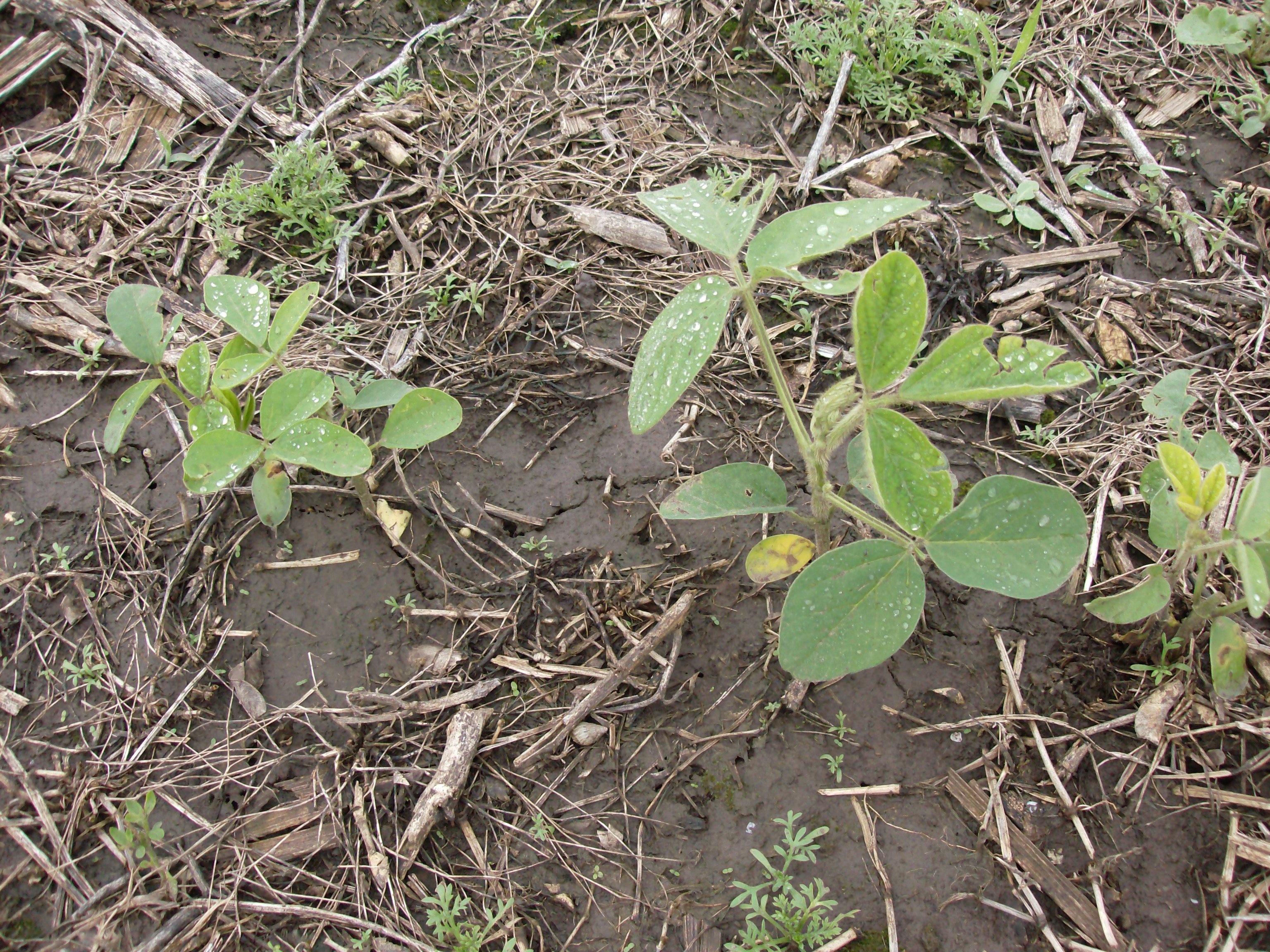
When soil gets squashed down too tightly, plant roots can't push through it easily, so they can't reach water or nutrients — imagine trying to breathe through a pillow. For plants like beans and peas, this is doubly harmful because it also disrupts their partnership with tiny root-dwelling bacteria that pull nitrogen out of the air and turn it into plant food. Scientists reviewed what we know about how these plants fight back at a molecular level, hoping to use that knowledge to grow tougher crops.
Key Findings
Soil compaction restricts root elongation, reduces root branching, and limits access to water, nutrients, and oxygen simultaneously — a compounding set of stresses rather than a single problem.
Legume-specific symbiosis with nitrogen-fixing Rhizobium bacteria (which reduces or eliminates the need for synthetic fertilizer) is particularly vulnerable to compaction, yet this interaction remains poorly studied compared to compaction effects in non-legume crops.
A complex molecular signaling network governs both root development and nodule formation in legumes, and genetic and environmental factors together shape how roots adapt morphologically, anatomically, and biochemically under mechanical stress.
chevron_right Technical Summary
This review examines how legume roots (peas, beans, soybeans) cope with compacted soil, which physically blocks root growth and disrupts the beneficial bacteria that help plants capture nitrogen from the air. Understanding these stress responses could help breed more resilient crop varieties.
Abstract Preview
Roots are essential for the survival and functioning of plants, serving as anchors in the soil and drawing in vital nutrients and water. Roots also engage in diverse microbial interactions, includi...
open_in_new Read full abstractAbstract copyright held by the original publisher.



Was this useful?
Want to tell us more? (optional)
Thanks for the note!
Something went wrong — please try again.
Too many submissions. Try again in an hour.
Targeted knockout of a host peroxisomal peptidase confers field resistance to...
The corn in your grocery store and the staple food keeping millions of East African families fed is under serious threat from a viral disease that can wipe o...

A bean is the seed of plants in many genera of the legume family (Fabaceae) used as a vegetable for human consumption or animal feed. The seeds are sold fresh or preserved through drying. Beans have been cultivated since the seventh millennium BCE in Thailand, and since the second millennium BCE ...