Cumin seed extract turns bismuth into cancer-fighting nanoparticles
Gohar M, Mumtaz A, Asim U, Shahzadi K, Majeed S
Medicinal Plants
The cumin sitting in your spice rack isn't just flavoring soup; its seed extract can act as a natural chemical factory, turning metal salts into particles with antimicrobial and anti-cancer potential.
Researchers soaked cumin seeds to make an extract, then mixed it with a bismuth salt. Compounds naturally found in the seeds converted the bismuth into tiny oxide particles, no harsh lab chemicals needed. Those particles went on to kill E. coli, staph bacteria, and two types of fungus, and they also slowed the growth of cervical and breast cancer cells in dish tests.
Key Findings
Bi2O3 nanoparticles formed with crystallite size around 136.9 nm, confirmed by UV-Vis (300 nm peak), FTIR, and XRD analysis.
SEM showed irregular, agglomerated structures mostly sized 0.60-0.80 μm, with individual primary particles not clearly resolved.
The nanoparticles inhibited E. coli, S. aureus, C. albicans, and A. niger (C. albicans most sensitive), and suppressed HeLa and MCF-7 cancer cell proliferation.
chevron_right Technical Summary
Scientists used ordinary cumin seeds to grow bismuth oxide nanoparticles instead of harsh chemicals, and the resulting particles killed bacteria and fungi while also slowing the growth of two cancer cell lines in lab tests.
Abstract Preview
Original paper
Green synthesis and characterization of Bi₂O₃ nanoparticles using Cuminum cyminum seed for antimicrobial and cytotoxic evaluation.
Green synthesis provides an alternative to traditional chemical processes of nanomaterials preparation, which is cost-effective and environmentally benign. This paper has demonstrated synthesis of ...
open_in_new Read full abstractAbstract copyright held by the original publisher.
Species Mentioned
Was this useful?
Want to tell us more? (optional)
Thanks for the note!
Something went wrong — please try again.
Too many submissions. Try again in an hour.
OsELP Mediated Apoplastic Sequestration in Roots Acts as an Arsenic Filter, L...
Rice you eat regularly — including white rice, rice flour, and baby rice cereals — absorbs arsenic from soil and water, and this discovery reveals a natural ...
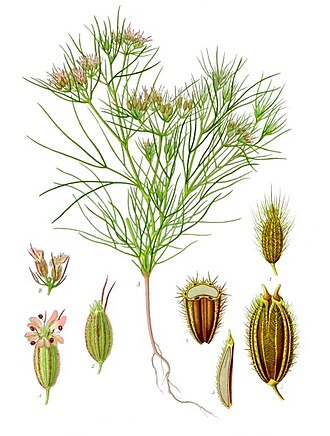
Cumin is a flowering plant in the family Apiaceae, native to the Irano-Turanian Region. Its seeds – each one contained within a fruit, which is dried – are used in the cuisines of many cultures in both whole and ground form. Although cumin is used in traditional medicine, there is no high-quality...