Garden shrub Portuguese laurel confirmed growing wild near Vancouver
iNaturalist: matayamiller
Invasive Species
If you garden in the Pacific Northwest, this evergreen hedge favorite is quietly seeding itself into natural areas, which means what stays tidy in your yard could be spreading unchecked just beyond the fence line.
Someone out exploring near Vancouver found a Portuguese laurel, a popular hedge plant, growing on its own outside of a cultivated garden. Experts confirmed the sighting as accurate, which means this shrub is capable of spreading into natural areas on its own, not just where people plant it.
Key Findings
Observation was verified as 'research-grade' on iNaturalist, meaning the species ID is community-confirmed.
Portuguese laurel (Prunus lusitanica) is typically grown as an ornamental hedge, not a native regional species.
The sighting location is Greater Vancouver, suggesting the plant is persisting or spreading outside cultivation in that area.
chevron_right Technical Summary
A birdwatcher or hiker in the Vancouver area spotted and verified a Portuguese laurel growing wild, confirming this ornamental shrub has escaped gardens and is establishing itself in the region's landscapes.
Abstract Preview
Original paper
Portuguese laurel (Prunus lusitanica) observed in Greater Vancouver
Research-grade observation of Portuguese laurel in Greater Vancouver.
open_in_new Read full abstractAbstract copyright held by the original publisher.
Species Mentioned
Was this useful?
Want to tell us more? (optional)
Thanks for the note!
Something went wrong — please try again.
Too many submissions. Try again in an hour.
Rapid disruption of pollination function by the invasive plant Impatiens glan...
That pretty pink-flowered plant spreading along your local riverbank or woodland edge could be quietly starving native wildflowers of the bee visits they nee...
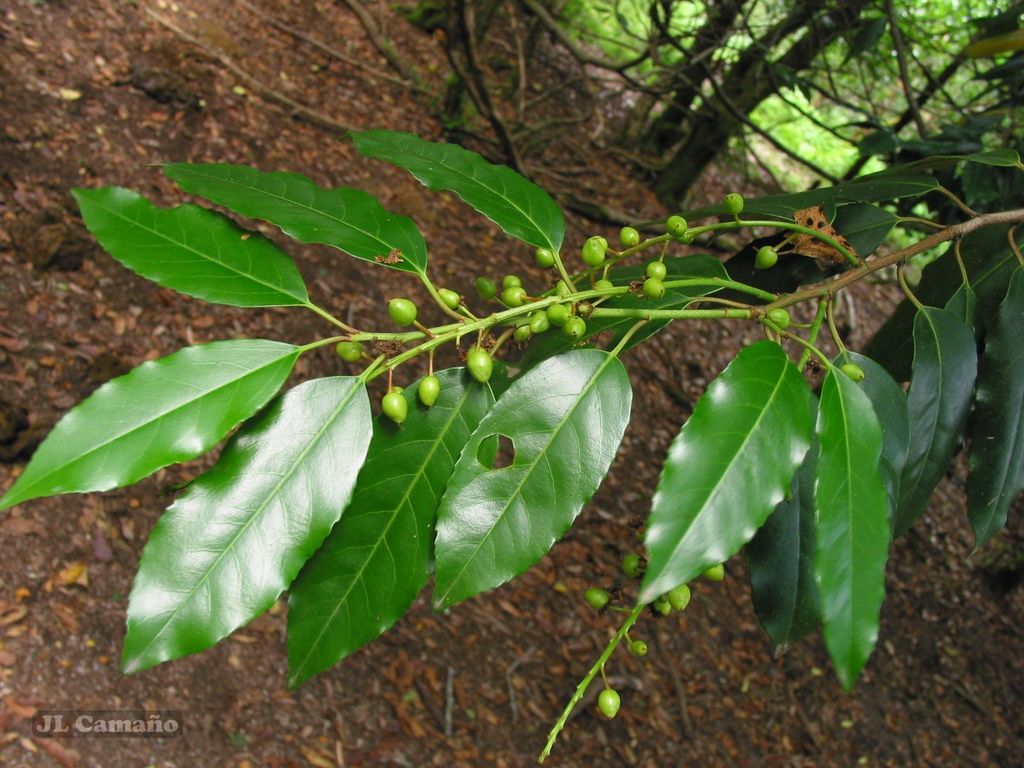
Photo by José Luis Camaño, taken in Galicia, Spain. CC0 via iNaturalist.
Urban ecology is the scientific study of living organisms and their interactions within densely developed environments dominated by buildings, paved surfaces, and human infrastructure. For plant science, this field is essential because it investigates how plants adapt and survive in fragmented
arrow_forward Explore topic