Camellia compound helps skin cells clear out sun damage
Gao H, Feng S, Wang J, Sun J, Lv Y
Medicinal Plants
The camellia blooming in your garden or a neighbor's yard belongs to the same plant family now linked to a molecule that helps skin cells repair sun damage at the cellular level.
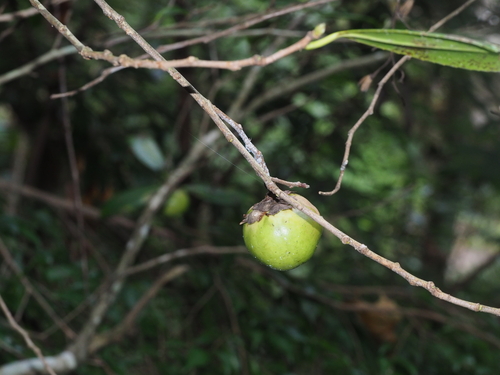
Researchers studying a plant called Camellia chekiangoleosa, a relative of the tea and ornamental camellias many gardeners grow, found a natural compound in it called camellioside A. This compound switches on a cellular cleanup process that clears out mitochondria damaged by UV light, and in mice it visibly reduced sun-related wrinkles and skin damage. It's an early step toward turning a garden plant's chemistry into a skin-protecting ingredient.
Key Findings
Camellioside A (CA) from Camellia chekiangoleosa activated the protein SIRT3 by binding at a specific site (Gln228), triggering a cleanup pathway (mitophagy) that clears damaged mitochondria in sun-stressed skin cells.
CA-driven SIRT3 activation caused deacetylation of FOXO3 at Lys271, promoting its nuclear translocation and boosting PINK1 gene transcription via a specific DNA element in the PINK1 promoter.
In a chronic UVB-exposed mouse model, topical CA reduced wrinkle formation and dermal damage, while blocking Sirt3 (via AAV9 knockdown) reversed these protective effects.
chevron_right Technical Summary
Scientists found a compound from a Chinese camellia species that protects skin cells from sun damage by helping them clean out damaged mitochondria, reducing wrinkles and skin aging in mice exposed to UV light.
Abstract Preview
Original paper
Camellioside A engages SIRT3 to promote FOXO3-PINK1/parkin dependent mitophagy and attenuate UVB-induced skin photoaging.
Chronic ultraviolet B (UVB) irradiation is a principal driver of skin photoaging, characterized by oxidative stress, mitochondrial dysfunction, fibroblast senescence, and extracellular matrix degra...
open_in_new Read full abstractAbstract copyright held by the original publisher.
Species Mentioned
Was this useful?
Want to tell us more? (optional)
Thanks for the note!
Something went wrong — please try again.
Too many submissions. Try again in an hour.
Nanoplastics interfere with plant-mycorrhizal communication and limit plant growth.
Microplastics breaking down in your garden soil are quietly strangling the beneficial fungi that help your vegetables absorb phosphorus and other nutrients, ...
Plant signaling encompasses the molecular and cellular mechanisms by which plants perceive and respond to environmental changes, hormonal signals, and stress conditions. These signaling pathways regulate fundamental biological processes including growth, development, nutrient acquisition, and
arrow_forward Explore topic