A medicinal herb compound may help repair sun-damaged skin
Zhang Y, Zuo X, Hou X, Zhang C, Zhang J
Medicinal Plants
The same Cnidium monnieri plant some herbalists grow for traditional remedies contains osthole, a compound now shown to protect skin cells from the chain reaction that drives sun-induced aging.
When skin gets hit with UVA rays over and over, a protective protein called SIRT6 gets broken down, and that sets off a cascade that ages and inflames skin cells. Researchers tested a compound called osthole, found in a medicinal herb called Cnidium monnieri, and found it can latch onto SIRT6 and help block this damage. It's an early sign that compounds from traditional medicinal plants could become ingredients in future skin-protective treatments.
Key Findings
Chronic UVA exposure selectively depletes SIRT6 among all sirtuin family members by suppressing the deubiquitinase USP10, leading to SIRT6's proteasomal degradation
SIRT6 loss hyperactivates the DNA-damage sensor PARP1, driving keratinocytes into irreversible senescence and a pro-inflammatory secretory state
The SIRT6 agonist UBCS039 and the plant-derived coumarin osthole (from Cnidium monnieri) both reversed epidermal hyperplasia and reduced senescence and inflammation markers in vivo and in vitro
chevron_right Technical Summary
Scientists found that too much sun exposure breaks down a protective protein called SIRT6 in skin cells, triggering a chain reaction that causes premature skin aging and inflammation. A compound from a traditional Chinese medicinal plant may help counteract this damage.
Abstract Preview
Original paper
USP10-SIRT6-PARP1 axis drives keratinocyte senescence and skin photoaging under chronic UVA exposure.
Chronic exposure to ultraviolet A (UVA) radiation is the principal environmental driver of skin photoaging, yet the upstream molecular events that commit irradiated keratinocytes to senescence rema...
open_in_new Read full abstractAbstract copyright held by the original publisher.
Species Mentioned
Was this useful?
Want to tell us more? (optional)
Thanks for the note!
Something went wrong — please try again.
Too many submissions. Try again in an hour.
Nanoplastics interfere with plant-mycorrhizal communication and limit plant growth.
Microplastics breaking down in your garden soil are quietly strangling the beneficial fungi that help your vegetables absorb phosphorus and other nutrients, ...
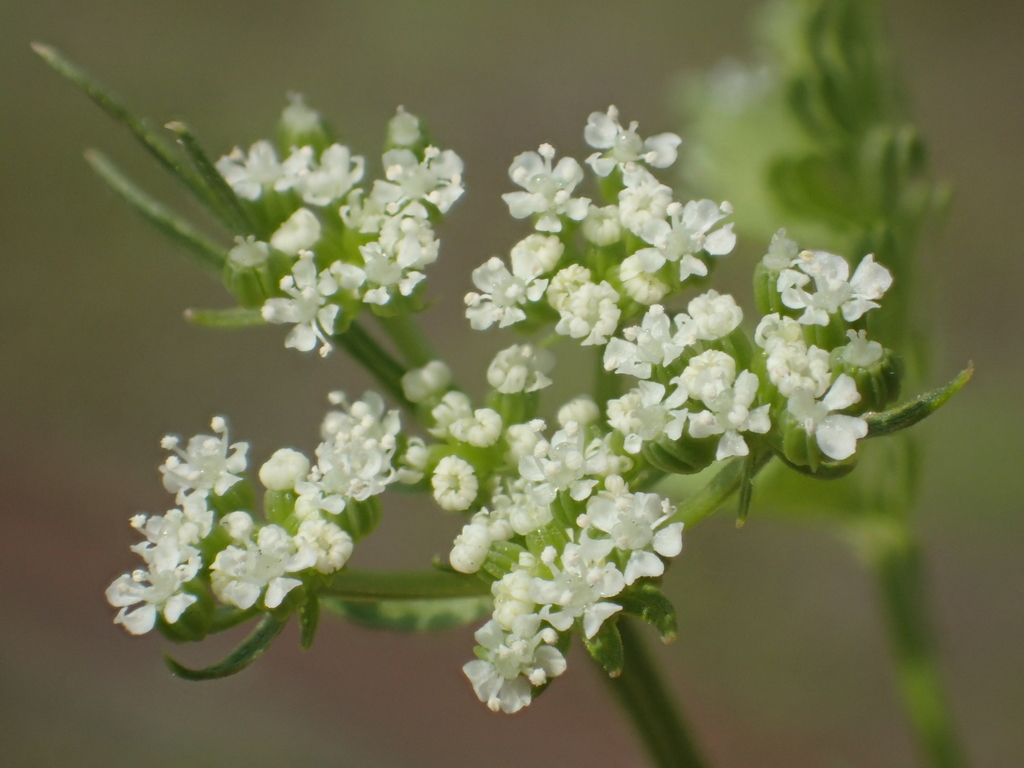
Photo by 葉子, taken in Kaohsiung, Taiwan. CC0 via iNaturalist.
Ethnobotany is the interdisciplinary study of how humans use, manage, and perceive plants across different cultures, drawing on knowledge from botany, anthropology, ecology, and chemistry. It matters for plant science because it documents traditional ecological knowledge that can reveal previously
arrow_forward Explore topic