Prior film mulching alters cadmium dynamics at the soil-plant interface in successive crops: enhancing phytoremediation and ensuring safe production.
Xu G, Hu S, Zhang S, Li L, Luo X
Phytoremediation
If your vegetables were grown in a field that previously used plastic mulch, the residual plastic could be affecting how much cadmium — a harmful heavy metal — ends up in your food.
Farmers often cover their fields with plastic film to keep weeds down and help plants grow, but those plastic scraps left in the soil after harvest don't just disappear. Scientists discovered that this leftover plastic changes how a poisonous metal called cadmium behaves in the soil, affecting how much of it gets absorbed by the next round of crops. Depending on what plants are grown in rotation, this could either help clean up contaminated soil more effectively or, importantly, keep harmful cadmium out of the food we eat.
Key Findings
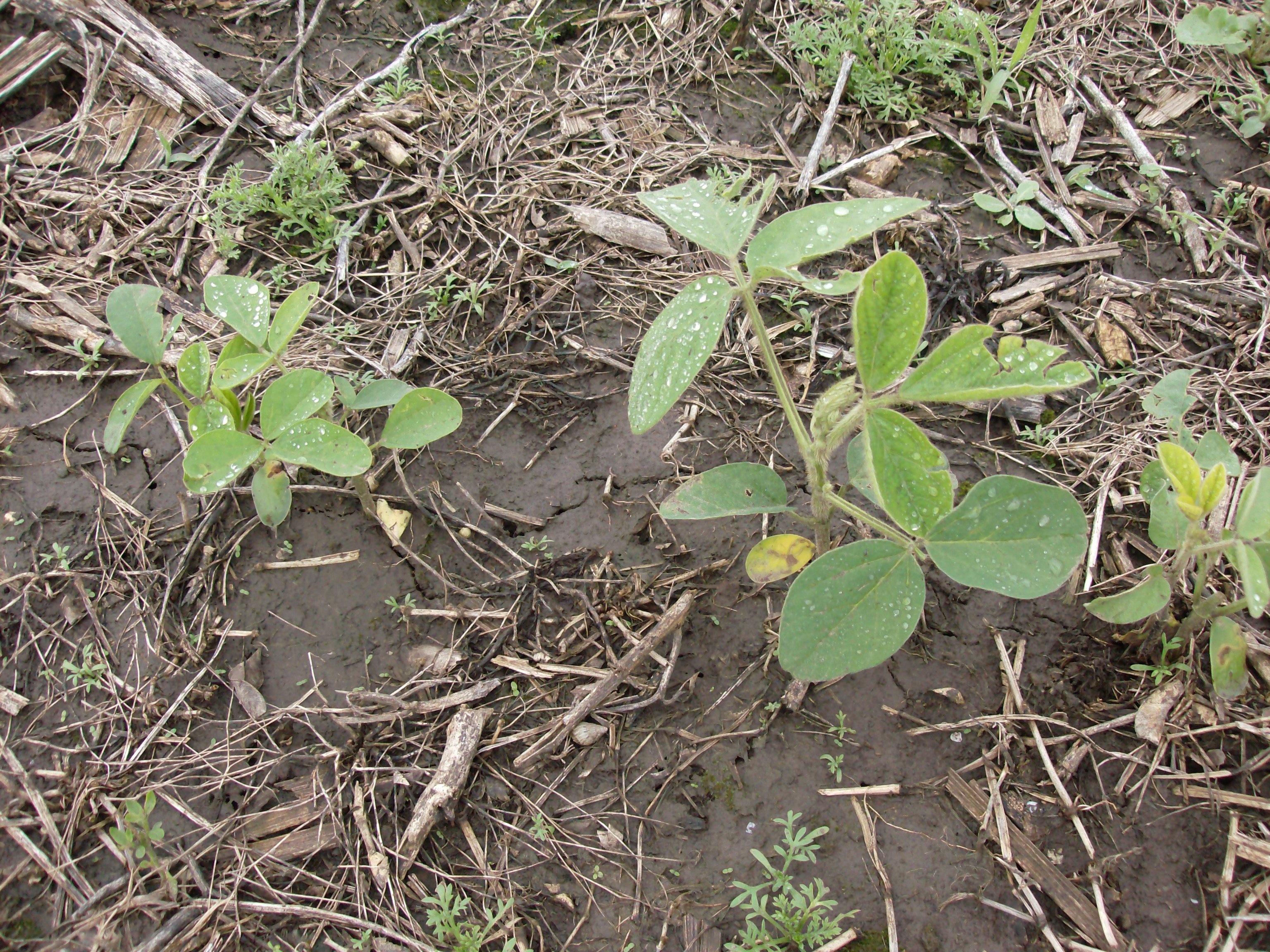
Residual plastic film mulch measurably altered cadmium availability in soil across three different two-crop rotation systems (Oil sunflower-Rape, Soybean-Flax, and a third unnamed pairing).
The film mulch residue had dual effects: it could enhance cadmium uptake in phytoremediation crops (plants used to pull toxins from soil) while simultaneously reducing cadmium accumulation in food crops grown in succession.
The study demonstrates that rotation sequence matters — the identity of the prior and successive crop, combined with mulch residue, collectively determines cadmium risk at the soil-plant interface.
chevron_right Technical Summary
Leftover plastic film from farming changes how toxic cadmium metal moves into plants grown in the same field afterward — sometimes reducing contamination in food crops, sometimes boosting it in plants used to clean up polluted soil.
Abstract Preview
Film mulching (FM) is widely applied in modern agriculture; however, its residual effects on cadmium (Cd) accumulation in subsequent crops and soil Cd bioavailability within rotation systems remain...
open_in_new Read full abstractAbstract copyright held by the original publisher.
Species Mentioned

Was this useful?
Want to tell us more? (optional)
Thanks for the note!
Something went wrong — please try again.
Too many submissions. Try again in an hour.
Targeted knockout of a host peroxisomal peptidase confers field resistance to...
The corn in your grocery store and the staple food keeping millions of East African families fed is under serious threat from a viral disease that can wipe o...

Rapeseed, also known as rape and oilseed rape and canola, is a yellow-flowered member of the Brassicaceae family.