Soybean's root bacteria help the plant cope with dry soil
Locke AM, Ortiz AC, Sikes TR, Gold NL, Ramirez ME
Crop Improvement
The soybeans in your garden or the fields you drive past rely on an underground partnership between roots and bacteria that can break down under drought stress, and this research pinpoints the genes on both sides that could lead to more resilient crops.
Soybeans team up with soil bacteria called rhizobia, which live in little nodules on the roots and convert air into fertilizer the plant can use. When the soil gets dry, that teamwork gets disrupted, so scientists looked at which genes, in both the plant and the bacteria, switch on or off during drought. They found that two specific bacterial genes act like control centers, directing much of the nodule's response, and several plant genes involved lined up with regions already linked to drought tolerance, giving breeders new clues for growing tougher soybeans.
Key Findings
Two soybean genotypes with different drought responses showed nearly identical nodule gene activity, differing in only 8 genes under soil moisture deficit
Two Bradyrhizobium diazoefficiens bacterial loci (BAC49768 and BAC47090) emerged as major regulators controlling the whole-nodule transcriptome during drought
Mild soil drying (41% of field capacity) reduced stomatal conductance and increased ureide levels in stems and petioles while shifting nitrogen assimilation gene expression in both plant and bacteria
chevron_right Technical Summary
Soybean plants rely on bacterial partners in their root nodules to help cope with drought, and scientists found that specific genes in those bacteria act as master switches coordinating the whole nodule's drought response, pointing to new breeding targets for drought-tolerant soybeans.
Abstract Preview
Original paper
Rhizobia bacteroid transcription helps to coordinate the soybean nodule drought response.
Soybean (Glycine max L. [Merr.]) nitrogen fixation is sensitive to soil drying and is an important target for improving soybean drought resilience. Transcriptional regulation of the nodule drought ...
open_in_new Read full abstractAbstract copyright held by the original publisher.
Species Mentioned
Was this useful?
Want to tell us more? (optional)
Thanks for the note!
Something went wrong — please try again.
Too many submissions. Try again in an hour.
Targeted knockout of a host peroxisomal peptidase confers field resistance to...
The corn in your grocery store and the staple food keeping millions of East African families fed is under serious threat from a viral disease that can wipe o...
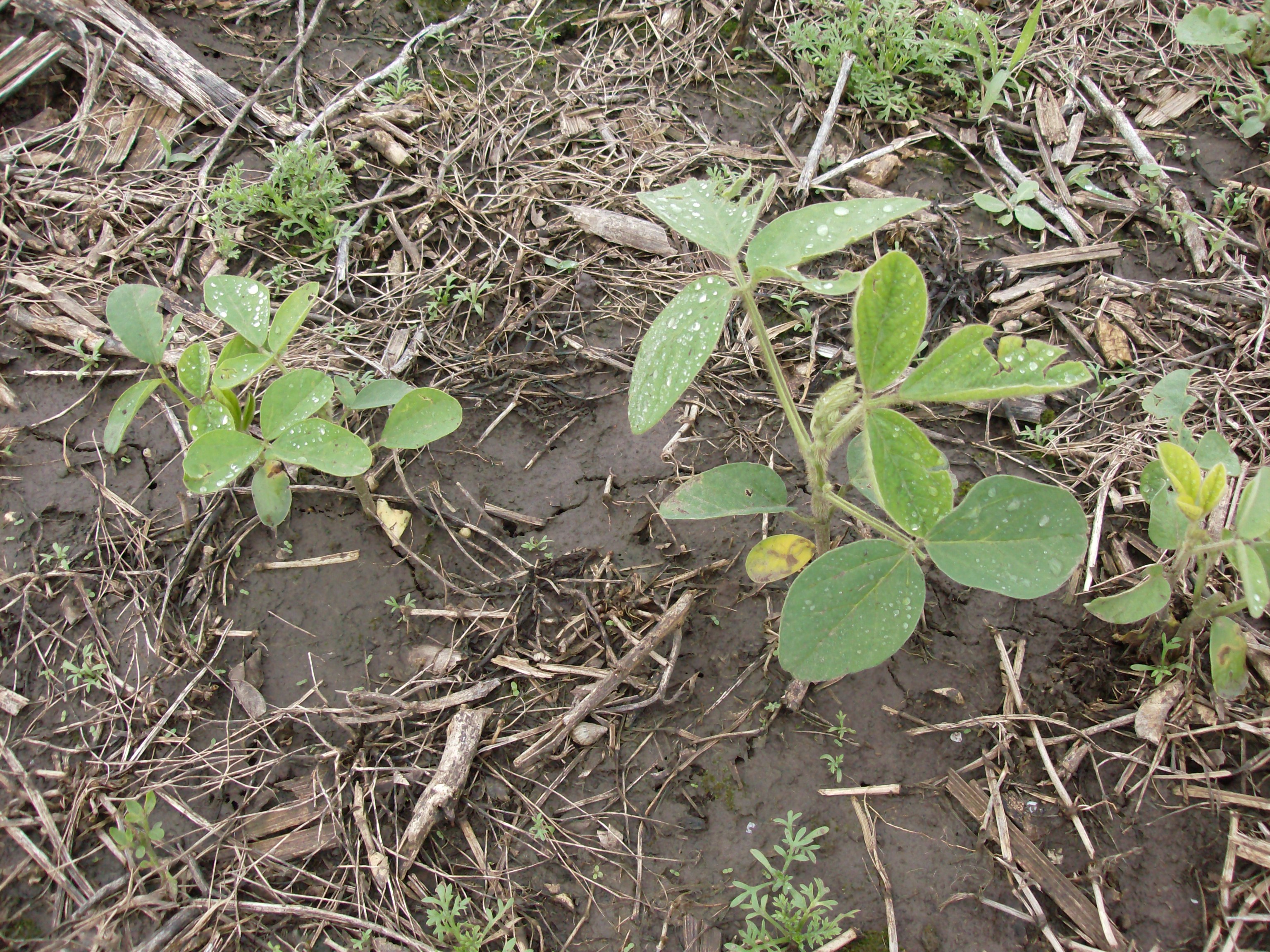
The soybean, soy bean, or soya bean is a species of legume native to East Asia, widely grown for its edible bean. Soy is a staple crop, the world's most grown legume, and an important animal feed.