Plant immune responses can boost medicinal compound production
Khalil AAK, Bae H
Medicinal Plants
The echinacea or holy basil in your garden isn't just fighting off fungus when it looks stressed, it may actually be concentrating more of the compounds you're growing it for in the first place.
When plants sense an attacking pathogen, they switch on internal alarm systems involving hormones and immune proteins. This review shows that in medicinal plants like ginseng, cannabis, and St. John's wort, those same alarm systems also crank up production of the chemical compounds that give these plants their medicinal value. The catch is that most of this evidence comes from lab studies on unrelated plants like Arabidopsis, so scientists still need to confirm it works the same way in real medicinal crops grown in actual fields.
Key Findings
Reviewed immune mechanisms span pattern-triggered and effector-triggered immunity, including receptor proteins, MAPK signaling, calcium influx, ROS, and hormone crosstalk (SA, JA, ethylene, ABA) across 8 medicinal species including ginseng, cannabis, and Artemisia annua
Much of the mechanistic evidence for medicinal plants is inferred from reference species like Arabidopsis, rice, and tobacco rather than directly validated in the medicinal plants themselves
Proposed strategies to improve both disease resistance and medicinal quality include elicitor treatments, microbial inoculants, gene editing, integrated pest management, and multi-omics microbiome engineering
chevron_right Technical Summary
A new review pulls together what scientists know about how medicinal plants like ginseng, cannabis, and licorice defend themselves from disease, and shows that the same immune signals triggering their defenses also ramp up production of the compounds that make them valuable as medicine.
Abstract Preview
Original paper
Medicinal-plant immunity and specialized metabolism in plant-pathogen interactions: mechanisms and applications.
Medicinal-plant immunity and specialized metabolism are mechanistically linked, but rigorous receptor validation, causal multi-omics, and field trials are needed for reliable translational applicat...
open_in_new Read full abstractAbstract copyright held by the original publisher.
Species Mentioned


Was this useful?
Want to tell us more? (optional)
Thanks for the note!
Something went wrong — please try again.
Too many submissions. Try again in an hour.
Targeted knockout of a host peroxisomal peptidase confers field resistance to...
The corn in your grocery store and the staple food keeping millions of East African families fed is under serious threat from a viral disease that can wipe o...
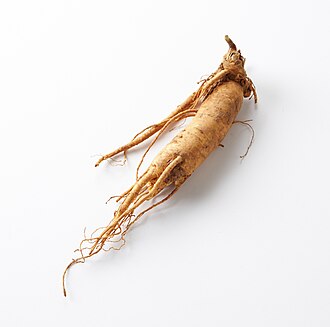
Ginseng is the root of plants in the genus Panax, such as South China ginseng (P. notoginseng), Korean ginseng (P. ginseng), and American ginseng (P. quinquefolius), characterized by the presence of ginsenosides and gintonin.