Tall goldenrod sightings surge as fall bloom peaks across the US
iNaturalist Community
Native Plants
The golden plumes lining roadsides and meadows right now are a late-season buffet for native bees, monarchs, and other pollinators, and goldenrod (not ragweed) is rarely the cause of your fall sneezing.
Tall goldenrod is that bright yellow, plume-topped wildflower filling fields and roadsides this time of year. People using the iNaturalist app logged 1001 sightings of it in the past week, up from 905 the week before. It's peak bloom, so it's easy to notice and photograph.
Key Findings
1001 observations of Solidago altissima were recorded in the United States in the past 7 days
That is up 96 from 905 observations in the previous 7 days, roughly a 10.6% increase
It ranks among the most-observed plants in the US on iNaturalist this week
chevron_right Technical Summary
Tall goldenrod is blooming across the US right now, and iNaturalist users logged 1001 sightings in a single week, up 96 from the week before. Late-season bloom makes it one of the easiest native plants to spot and a major fall food source for pollinators.
Abstract Preview
Original paper
Trending: tall goldenrod (Solidago altissima) — 1001 observations this week
Tall goldenrod (Solidago altissima) is a species in the family Asteraceae. iNaturalist users recorded 1001 observations of it in the United States in the 7 days before today, among the most for any...
open_in_new Read full abstractAbstract copyright held by the original publisher.
Species Mentioned
Was this useful?
Want to tell us more? (optional)
Thanks for the note!
Something went wrong — please try again.
Too many submissions. Try again in an hour.
Warming killed underground fungi and pushed meadows toward shrublands
Mountain meadows and wildflower-rich grasslands many people hike through and depend on for clean water and biodiversity are quietly transforming underground ...
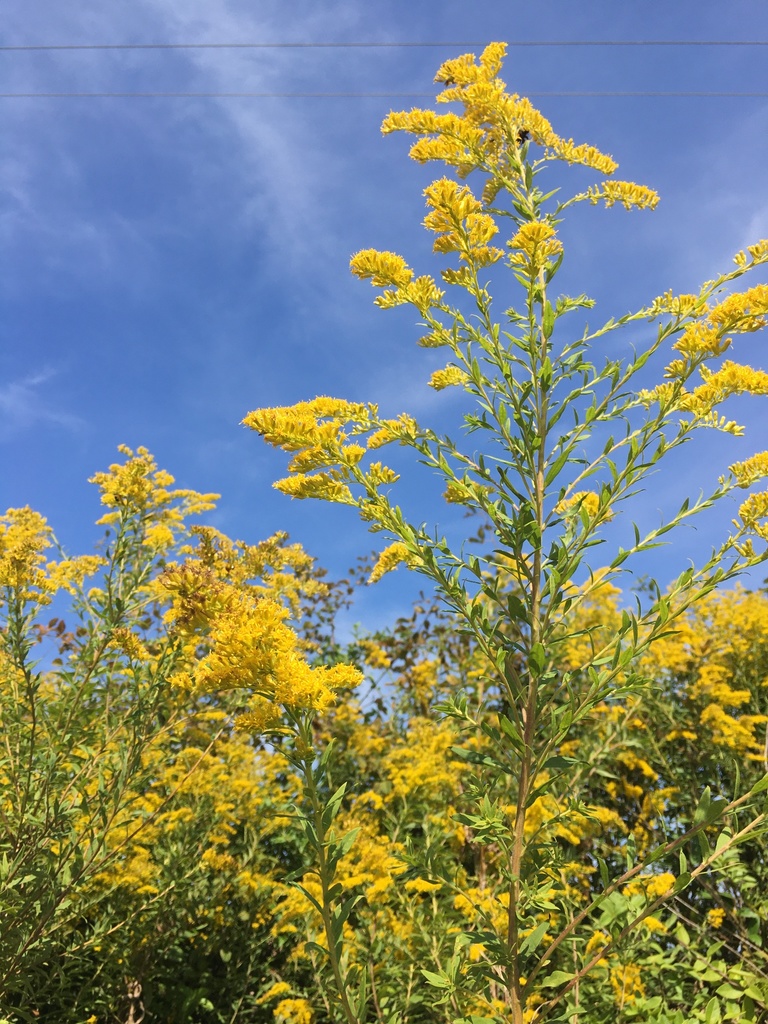
Photo by Becky Dill, taken in North Carolina, United States. CC0 via iNaturalist.
Pollinators are animals—such as bees, butterflies, birds, and other insects—that transfer pollen from a flower's anther to its stigma, enabling fertilization and seed production. This process underpins plant reproductive success and genetic diversity, making pollinator research essential for
arrow_forward Explore topic