Soybean gene that boosts nutrition also fights off virus infection
Feng X, Sun D, Liu H, Chu L, Li J
Crispr
The soybeans behind your tofu, edamame, and cooking oil have been quietly bred over decades to have lower levels of a protective compound, and this research shows that trade-off may be making crops more vulnerable to disease.
Soybean seeds naturally contain compounds called isoflavones that are good for human health and help the plant defend itself. Researchers found a single gene, nicknamed GmISO5, that acts like a master switch turning on the production of these compounds. When they turned the gene off using gene-editing, seeds made 80% less isoflavone and the plants got much sicker when infected with a common soybean virus, suggesting this switch does double duty protecting both our nutrition and the plant's health.
Key Findings
GmISO5 knockout via CRISPR/Cas9 reduced total seed isoflavone content by approximately 80%
GmISO5 directly binds and activates the promoters of two biosynthesis genes, GmHIDH and GmCHS1
GmISO5 knockout lines showed more severe symptoms and higher viral load after soybean mosaic virus infection, and the low-isoflavone gene version now dominates 91% of improved cultivars
chevron_right Technical Summary
Scientists found the gene that controls how much isoflavone (a beneficial nutrient) soybeans make in their seeds, and discovered that plants with less of it also get sicker from a common soybean virus.
Abstract Preview
Original paper
Multi-omics integration identifies GmISO5 as a key regulator of seed isoflavone biosynthesis and implicates it in the response to soybean mosaic virus.
Isoflavones are specialized metabolites that accumulate abundantly in soybean seeds, contributing to nutritional quality, human health benefits, and plant defense. Although the core isoflavone bios...
open_in_new Read full abstractAbstract copyright held by the original publisher.
Species Mentioned
Was this useful?
Want to tell us more? (optional)
Thanks for the note!
Something went wrong — please try again.
Too many submissions. Try again in an hour.
Gene editing removes 97% of celiac-triggering proteins from bread wheat
It could mean that people with celiac disease — roughly 1 in 100 worldwide — may one day safely eat bread made from real wheat, without sacrificing the taste...
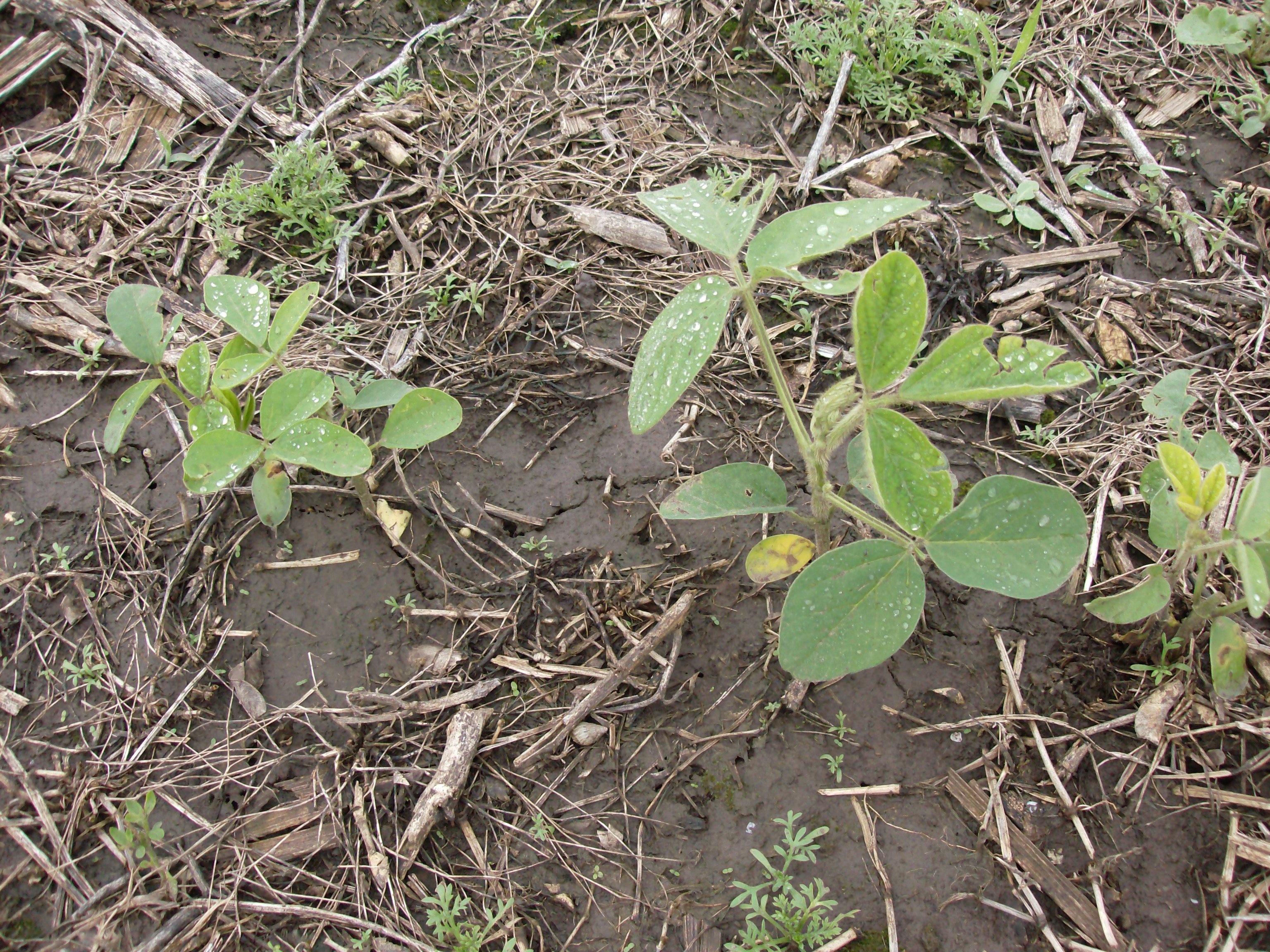
The soybean, soy bean, or soya bean is a species of legume native to East Asia, widely grown for its edible bean. Soy is a staple crop, the world's most grown legume, and an important animal feed.