Soybean gene pair builds a lignin wall against root pests
Qu S, Zhang J, Zhang M, Du S, Zhao X
Crop Improvement
If you've ever grown beans or peas and watched them mysteriously wilt, the culprit might be a microscopic worm attacking the roots, and this research shows how plants can thicken their own root walls to fight back.
Soybean cyst nematodes are tiny worms that burrow into soybean roots and cause massive crop losses every year. Researchers found that one gene, GmMYB29, switches on a second gene, Gm4CL3, which makes roots produce more lignin, the tough woody material that gives plant cell walls their strength. That extra lignin acts like armor, physically stopping the worms from penetrating the roots, giving breeders a fresh way to build resistant soybean varieties.
Key Findings
GmMYB29 directly binds the promoter of Gm4CL3, confirmed by four independent lab methods (Y1H, EMSA, dual-luciferase, GUS staining)
Overexpressing Gm4CL3 in soybean hairy roots substantially improved resistance to SCN Race 3, while CRISPR knockout of Gm4CL3 made roots hypersusceptible to infection
Gm4CL3 boosts lignin deposition in root tissue to block nematode penetration, and this pathway works independently of the classic rhg1/Rhg4 resistance loci
chevron_right Technical Summary
Scientists identified a genetic switch in soybeans that triggers a defensive gene, strengthening plant tissue with lignin to physically block a destructive root-eating worm called the soybean cyst nematode. This discovery offers a new, independent tool for breeding nematode-resistant soybeans beyond the resistance genes currently in use.
Abstract Preview
Original paper
GmMYB29 activates Gm4CL3 to enhance soybean resistance to Heterodera glycines.
Soybean cyst nematode is a devastating soil-borne pathogen that severely limits soybean yield worldwide. To uncover downstream target genes of the resistance-associated transcription factor GmMYB29...
open_in_new Read full abstractAbstract copyright held by the original publisher.
Species Mentioned
Was this useful?
Want to tell us more? (optional)
Thanks for the note!
Something went wrong — please try again.
Too many submissions. Try again in an hour.
Gene editing removes 97% of celiac-triggering proteins from bread wheat
It could mean that people with celiac disease — roughly 1 in 100 worldwide — may one day safely eat bread made from real wheat, without sacrificing the taste...
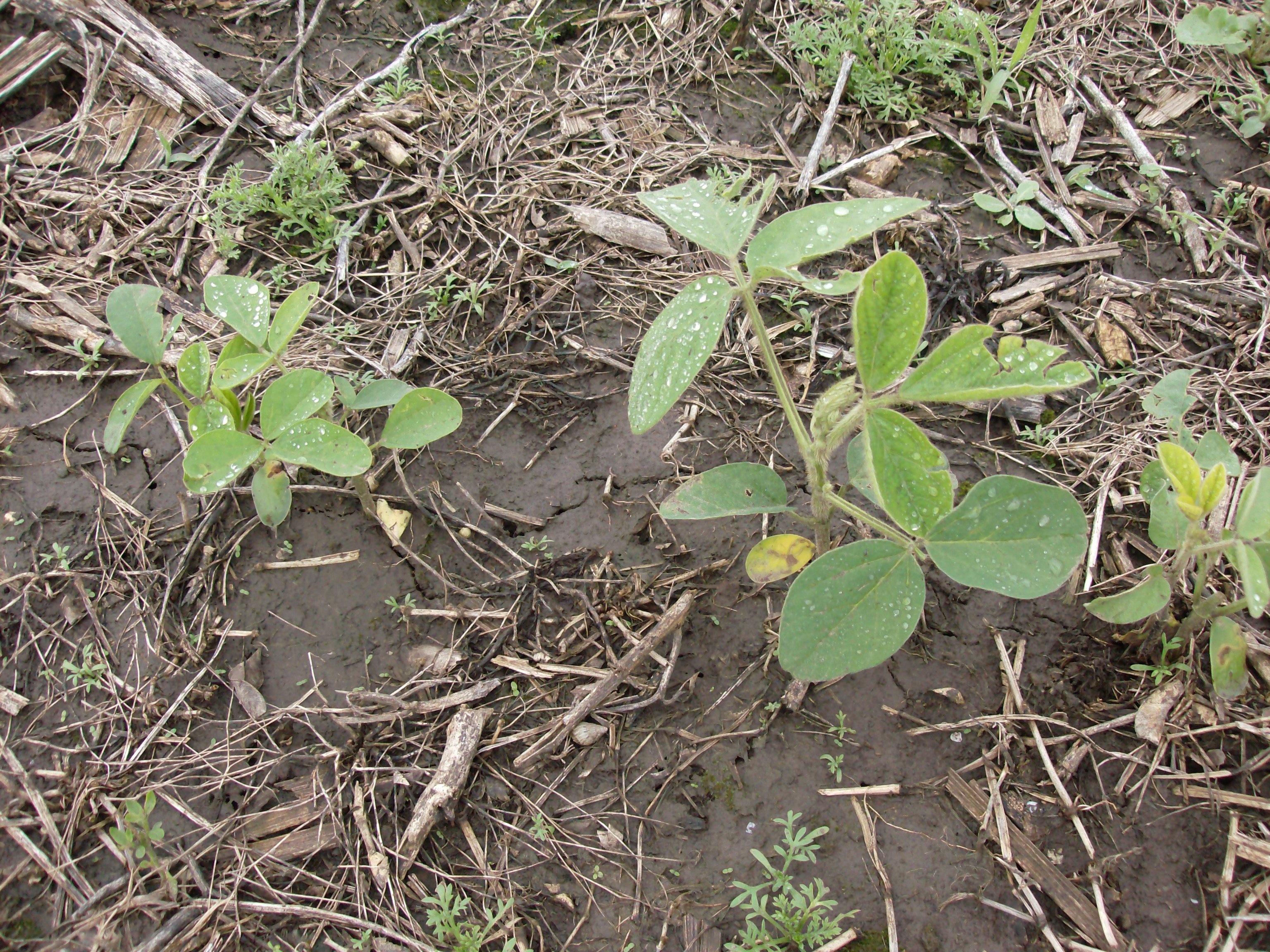
The soybean, soy bean, or soya bean is a species of legume native to East Asia, widely grown for its edible bean. Soy is a staple crop, the world's most grown legume, and an important animal feed.