Gene-edited soybeans pack more heart-healthy oil per seed
Kim WN, Choi YR, Kim HJ, Chung YS, Kim HU
Crispr
The cooking oil bottle in your pantry could soon come from a soybean bred to have less saturated fat and more of the same stable, healthy fat found in olive oil, without losing any yield.
Researchers tweaked two gene families in soybean plants using CRISPR, a precise gene-editing tool, to shift the balance of fats inside each seed. The result is soybeans loaded with over 90% oleic acid, the same healthy fat in olive oil, with much less saturated fat and, surprisingly, more total oil packed into each seed than normal soybeans.
Key Findings
Editing GmFAD2-1 alone raised oleic acid to about 83%, but adding edits to GmFAD2-2B, GmFAD2-2C, and GmFATB1a pushed it above 90%
GmFATB editing cut saturated fatty acid content by more than 40% compared to wild-type plants
All high-oleic gene-edited lines showed higher total fatty acid content per seed than unedited controls, linked to reduced SDP1 expression and shifts in phosphatidic acid metabolism genes
chevron_right Technical Summary
Scientists used CRISPR gene editing to create soybean plants with over 90% oleic acid, a heart-healthy fat, while cutting saturated fat by more than 40% and boosting total oil content per seed compared to unedited plants.
Abstract Preview
Original paper
Multiplex FAD2/FATB Editing Generates Ultra-High-Oleic, Low-Saturate Soybean With Increased Seed Fatty Acid Content.
Oleic acid (18:1), saturated fatty acid (SFA), and polyunsaturated fatty acid (PUFA) levels are important traits for storage stability and edibility. In this study, we aimed to develop high-oleic s...
open_in_new Read full abstractAbstract copyright held by the original publisher.
Species Mentioned
Was this useful?
Want to tell us more? (optional)
Thanks for the note!
Something went wrong — please try again.
Too many submissions. Try again in an hour.
Gene editing removes 97% of celiac-triggering proteins from bread wheat
It could mean that people with celiac disease — roughly 1 in 100 worldwide — may one day safely eat bread made from real wheat, without sacrificing the taste...
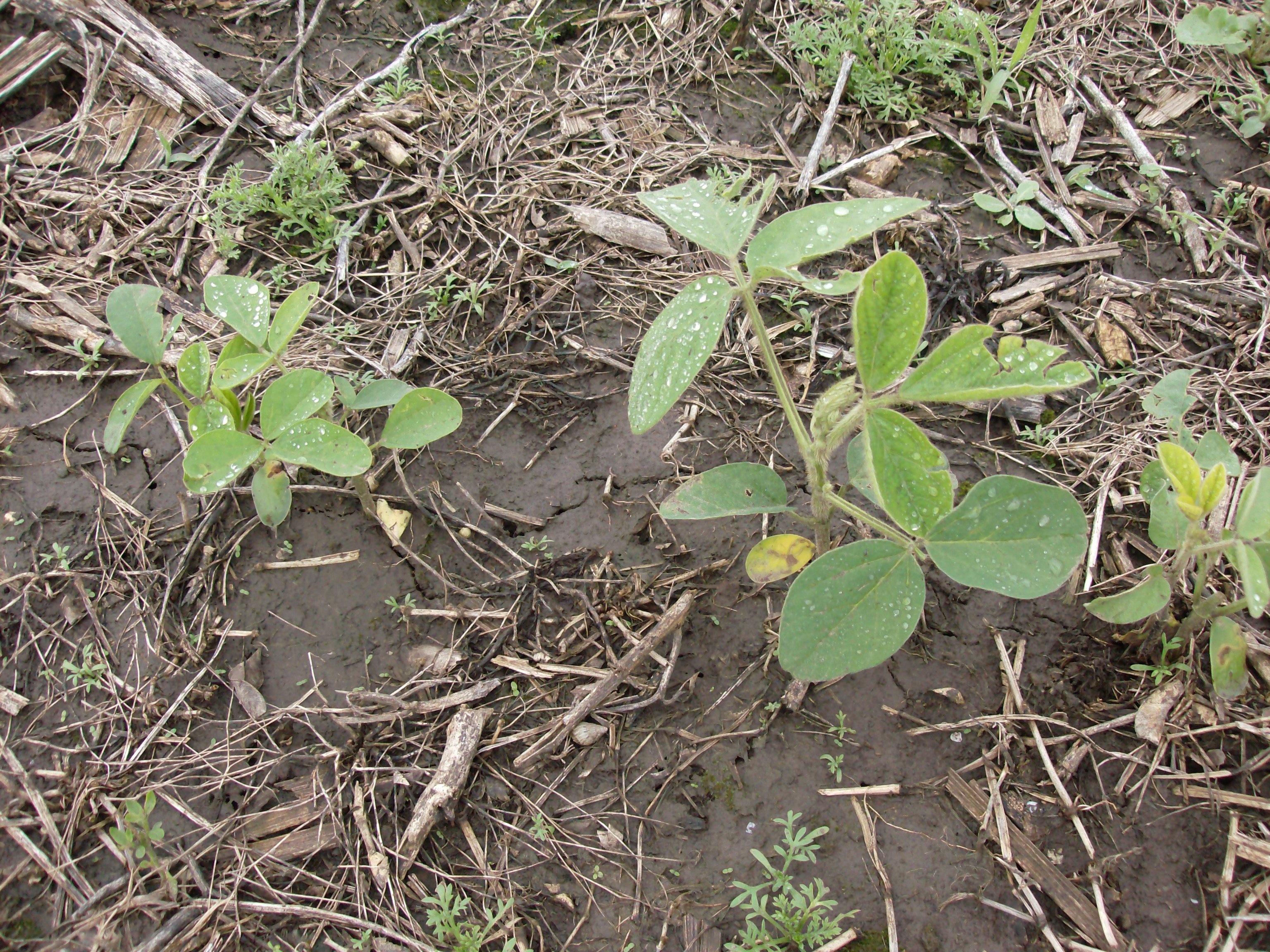
The soybean, soy bean, or soya bean is a species of legume native to East Asia, widely grown for its edible bean. Soy is a staple crop, the world's most grown legume, and an important animal feed.