Soybean enzyme needs a structural handshake to make oil
Balogh SD, Arciaga AGO, Ulch BA, Lye HP, Kimber MS
Crop Improvement
The soybean oil in your kitchen and countless packaged foods gets its fatty acid makeup from an enzyme that researchers just showed works like two puzzle pieces locking together, a discovery that could eventually lead to healthier cooking oils.
Plants make oil using an enzyme called PDCT, and scientists wanted to know exactly how it works at the molecular level. They found that this enzyme actually needs two copies of itself to team up, swapping a piece of their structure between them, and pinpointed two specific spots that are essential for the enzyme to function. Understanding this hand-off mechanism could help scientists tweak plant oils, like soybean oil, to have different or better fatty acid compositions.
Key Findings
PDCT functions as a dimer, with two protomers swapping their N-terminal transmembrane regions to form a working enzyme.
Conserved residues Glu75 and Asp89 in the swapped N-terminal region are essential for enzyme activity and/or stability, while the N-terminal disordered region and C-terminus are dispensable.
Co-expressing two separately inactive mutants (E75A and D230A) partially restored enzyme activity, directly supporting the domain-swapping mechanism.
chevron_right Technical Summary
Scientists figured out how a key soybean enzyme controls the fatty acid mix in plant oils, by showing that two copies of the enzyme swap part of their structure to work together. This detailed understanding could help breeders engineer healthier or more useful vegetable oils in the future.
Abstract Preview
Original paper
N-terminal domain swapping contributes to phosphatidylcholine:diacylglycerol cholinephosphotransferase function.
Plant oils are widely used in the food, fuel, and oleochemical industries, with their chemical properties and applications largely determined by fatty acid composition. Phosphatidylcholine:diacylgl...
open_in_new Read full abstractAbstract copyright held by the original publisher.
Species Mentioned
Was this useful?
Want to tell us more? (optional)
Thanks for the note!
Something went wrong — please try again.
Too many submissions. Try again in an hour.
Gene editing removes 97% of celiac-triggering proteins from bread wheat
It could mean that people with celiac disease — roughly 1 in 100 worldwide — may one day safely eat bread made from real wheat, without sacrificing the taste...
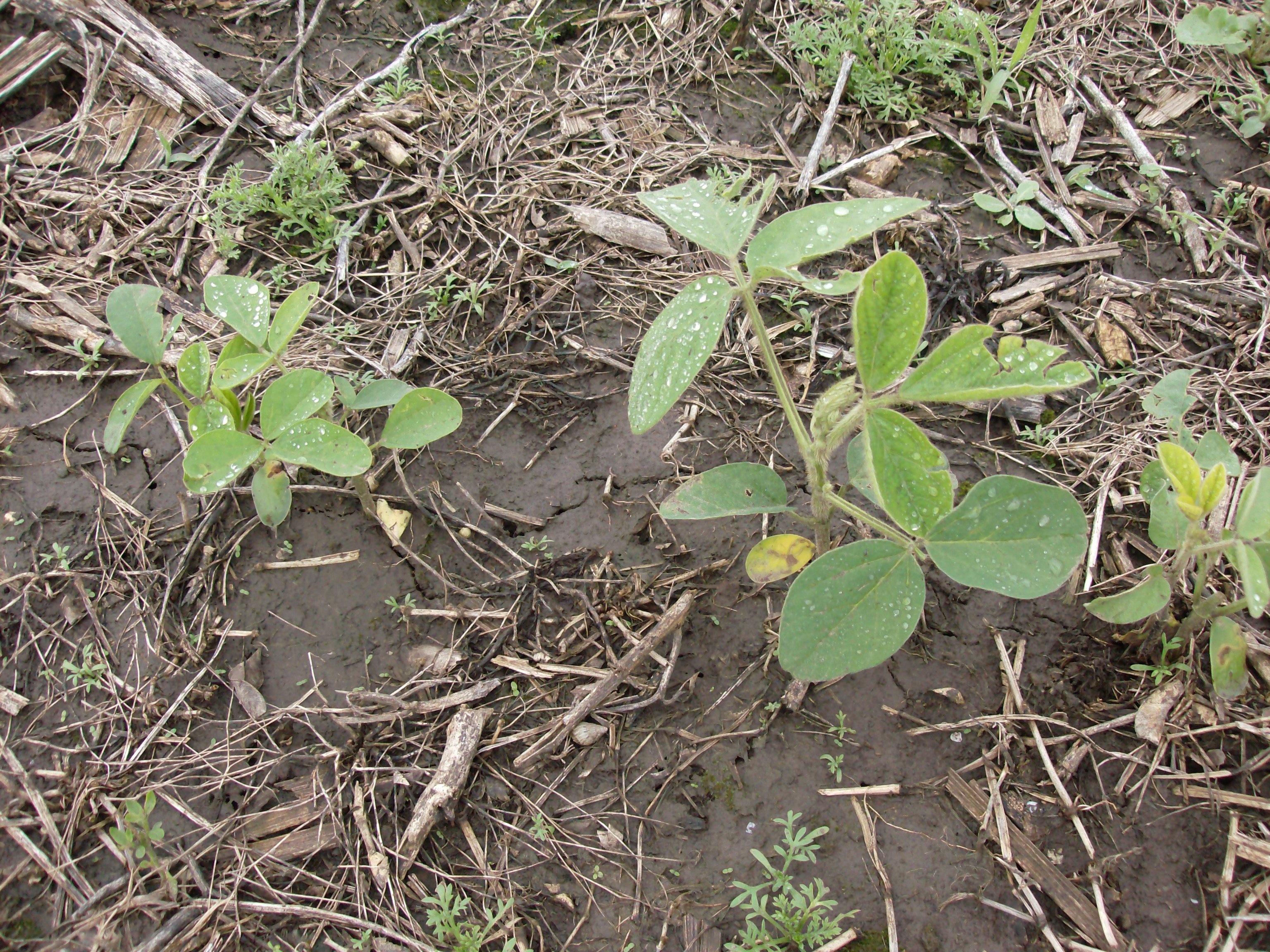
The soybean, soy bean, or soya bean is a species of legume native to East Asia, widely grown for its edible bean. Soy is a staple crop, the world's most grown legume, and an important animal feed.