Genetic switches decide if wild soybean sprawls or stands tall
Crop Improvement
If you've ever watched a bean plant flop over in wind or rain, this research is chasing the exact genetic dial that decides whether a plant sprawls like a vine or holds itself upright, the same trait that determines how easy a crop is to harvest and how much wind damage a garden bed survives.
Researchers took wild soybean plants and compared a normal sprawling, vine-like version to mutant versions that grow either more vine-like or more upright. By studying which genes turn on, what chemicals build up, and which parts of the DNA get chemically tagged in each type, they found specific genes and pathways tied to building the plant's water and nutrient transport tissue, that steer whether a stem sprawls or stands straight. This gives breeders a shortlist of genes to test if they want to engineer sturdier, easier-to-harvest soybean plants.
Key Findings
Transcriptomic comparisons found 20,311 to 28,705 differentially expressed genes per contrast, with a core set of 2,672 genes consistently altered across vining versus erect mutant lines.
BBR-BPC and ARF transcription factor families emerged as top molecular discriminators between growth habits, alongside distinct amino-acid-derived and lipid-associated metabolite profiles.
Whole-genome bisulfite sequencing revealed DNA methylation differences, especially notable CHG methylation variation among erect mutant lines, and network analysis prioritized four candidate genes tied to vascular tissue development.
chevron_right Technical Summary
Scientists compared wild soybean plants with sprawling vining stems to ones bred to stand upright, mapping the genes, chemicals, and DNA switches behind the difference. The work points to specific genes controlling how plants build their internal plumbing (xylem and phloem), which could help breeders create sturdier, more harvest-friendly soybean varieties.
Abstract Preview
Original paper
Integrative Multi‐Omics Analysis of Stem Growth Habit Divergence in Wild Soybean ( Glycine soja )
Stem architecture is a major determinant of lodging resistance, biomass accumulation, and harvest efficiency in soybean. However, the molecular features associated with contrasting stem growth habi...
open_in_new Read full abstractAbstract copyright held by the original publisher.
Species Mentioned
Was this useful?
Want to tell us more? (optional)
Thanks for the note!
Something went wrong — please try again.
Too many submissions. Try again in an hour.
Targeted knockout of a host peroxisomal peptidase confers field resistance to...
The corn in your grocery store and the staple food keeping millions of East African families fed is under serious threat from a viral disease that can wipe o...
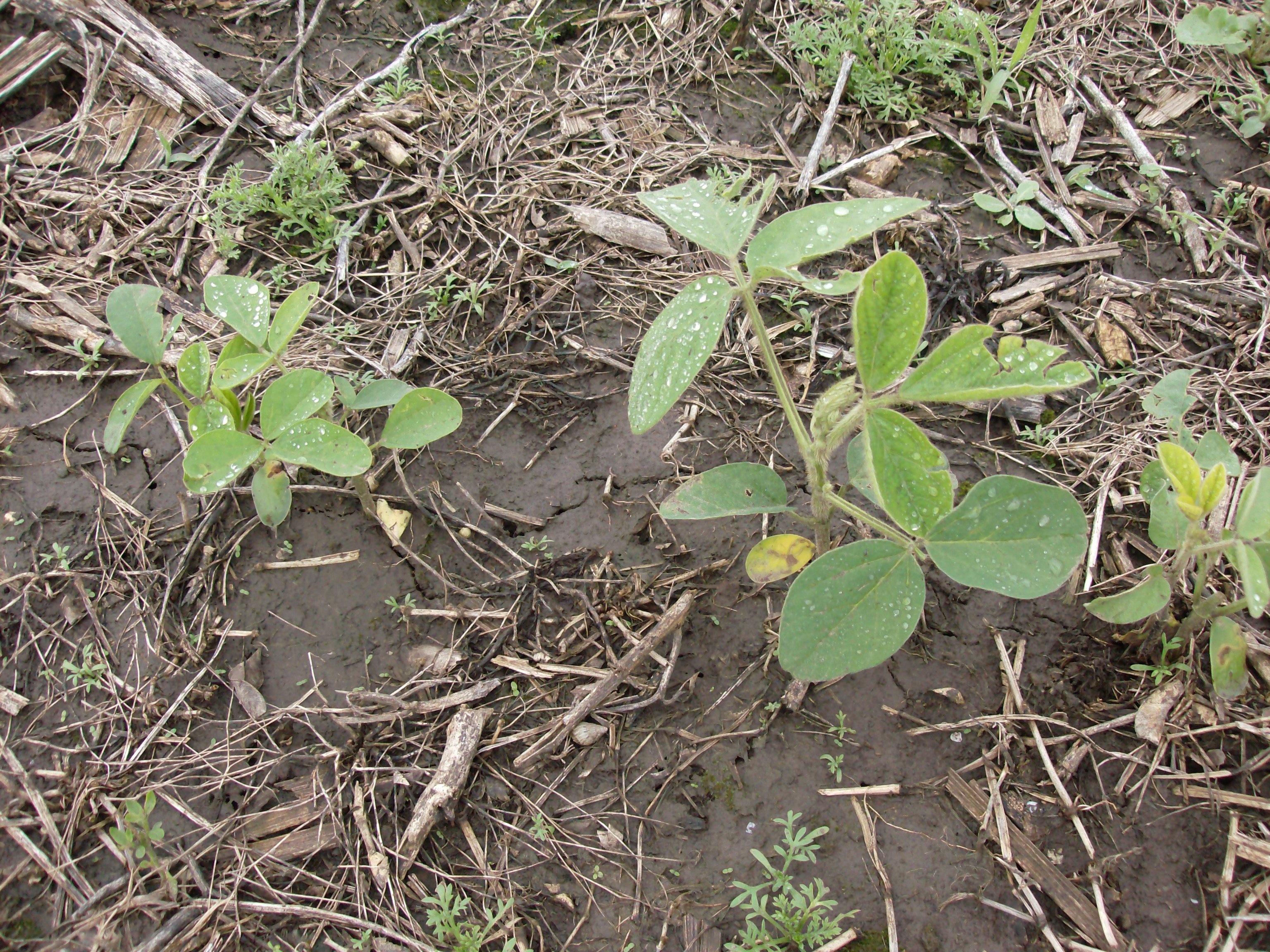
The soybean, soy bean, or soya bean is a species of legume native to East Asia, widely grown for its edible bean. Soy is a staple crop, the world's most grown legume, and an important animal feed.