Smart moth traps target soybean pests, spare helpful bugs
Cesarin V, de Oliveira SC, Guedes AG, Soares JRS, Fernandes OA
Integrated Pest Management
If you've ever watched caterpillars shred your tomato or bean leaves overnight, this shows how scientists are learning to lure and kill only the culprit moths while leaving pollinators and predatory insects untouched.
Researchers set up two kinds of moth traps in soybean fields, baited with food scents that pests find irresistible. One trap design caught more than twice as many pest moths as the other, and different pest species showed up at different times as the crop grew. When they combined the lure with a small dose of insecticide right at the trap, it killed the target moths effectively while barely touching other insects, less than 2% of the casualties were non-target bugs.
Key Findings
Funnel-ball traps captured 36.8 ± 4.3 moths/trap/month versus 17.4 ± 2.9 for delta-ajar traps, though species richness was similar between designs
Pest timing varied by species: Helicoverpa armigera and Chrysodeixis includens peaked during soybean's reproductive stage, while Spodoptera frugiperda and Elasmopalpus lignosellus dominated the first 20 days after plant emergence
The attract-and-kill strategy significantly boosted moth mortality over untreated controls (peaking at 40 days post-installation) while non-target insect deaths stayed below 2% of total mortality
chevron_right Technical Summary
A study in Brazilian soybean fields found that funnel-ball traps baited with food-based attractants catch far more crop-damaging moths than standard traps, and combining these attractants with insecticide kills pests while sparing beneficial insects nearly 98% of the time.
Abstract Preview
Original paper
Monitoring and Behavioral Control of Lepidopteran Pests in Soybean: Evaluation of Food-Based Attractants, Trap Performance, and Selectivity on Non-Target Organisms.
Chemically mediated behavioral strategies, including semiochemicals and food-based attractants, have gained prominence in Integrated Pest Management (IPM) programs because of their potential for se...
open_in_new Read full abstractAbstract copyright held by the original publisher.
Species Mentioned
Was this useful?
Want to tell us more? (optional)
Thanks for the note!
Something went wrong — please try again.
Too many submissions. Try again in an hour.
Targeted knockout of a host peroxisomal peptidase confers field resistance to...
The corn in your grocery store and the staple food keeping millions of East African families fed is under serious threat from a viral disease that can wipe o...
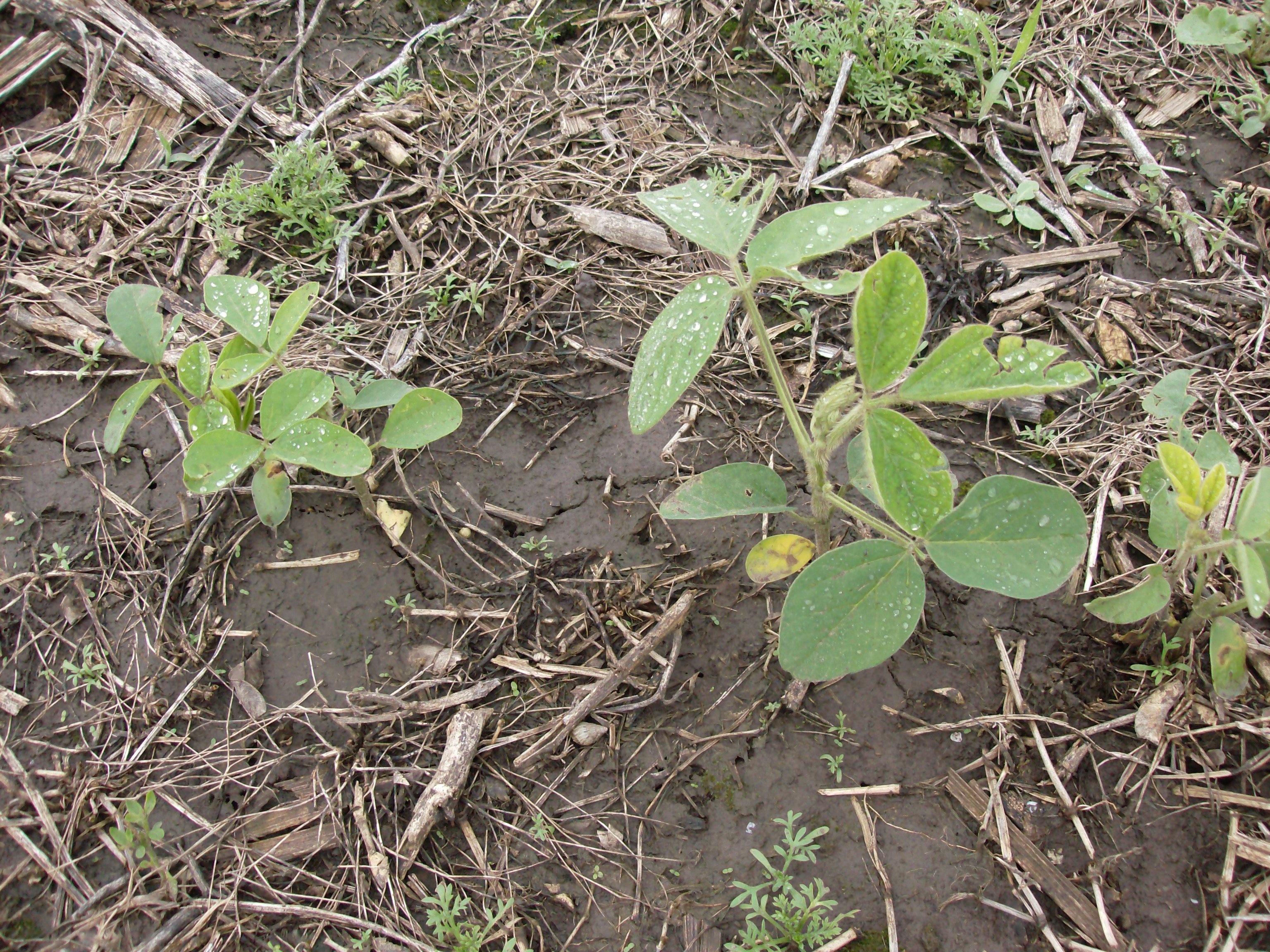
The soybean, soy bean, or soya bean is a species of legume native to East Asia, widely grown for its edible bean. Soy is a staple crop, the world's most grown legume, and an important animal feed.