Soybean-fed fish grow tougher guts thanks to one bacterium
Zhou NN, Liu JX, Wang T, Wang Z, Li LK
Soil Health
The soybean meal in your garden's compost or in farmed fish feed turns out to reshape gut bacteria in ways that strengthen animal digestive health, a reminder that plant proteins do more than just supply calories.
Researchers fed fish a soybean-based diet and found it fed a particular gut bacterium, which in turn produced an amino acid called glutamine. That glutamine told the fish's intestine to make more mucus-producing cells, thickening the gut's protective lining. The same effect showed up in mouse gut tissue grown in the lab, suggesting this soybean-to-bacteria-to-gut pathway might work across different animals.
Key Findings
Soybean meal diet significantly increased abundance of Cetobacterium somerae in fish intestines
C. somerae supplementation increased goblet cell numbers and inhibited the Notch signaling pathway in fish gut
The bacterium raised gut glutamine levels, and glutamine alone reproduced the goblet-cell-boosting effect in human intestinal cells and mouse intestinal organoids
chevron_right Technical Summary
Scientists found that feeding fish soybean meal boosts a specific gut bacterium that produces glutamine, which then blocks a signaling pathway and triggers the gut to make more mucus-producing cells, strengthening the intestinal lining.
Abstract Preview
Original paper
Cetobacterium somerae ZNN-1 promotes goblet cell differentiation through glutamine-mediated Notch signaling suppression.
The gut microbiota acts as a crucial mediator in the interaction between the diet components and the host metabolism. However, the molecular mechanism by which the gut microbiota adapts to dietary ...
open_in_new Read full abstractAbstract copyright held by the original publisher.
Species Mentioned
Was this useful?
Want to tell us more? (optional)
Thanks for the note!
Something went wrong — please try again.
Too many submissions. Try again in an hour.
Targeted knockout of a host peroxisomal peptidase confers field resistance to...
The corn in your grocery store and the staple food keeping millions of East African families fed is under serious threat from a viral disease that can wipe o...
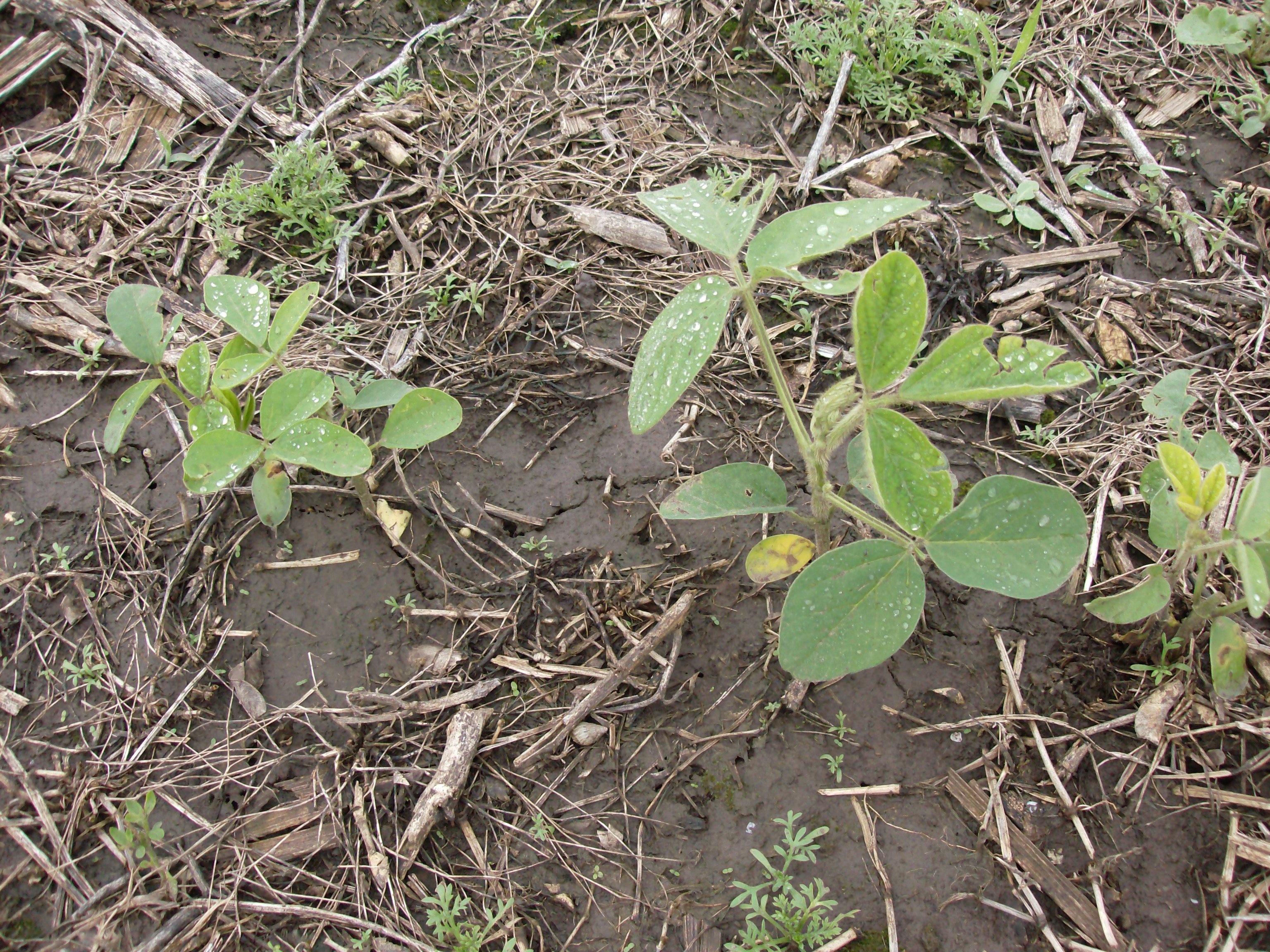
The soybean, soy bean, or soya bean is a species of legume native to East Asia, widely grown for its edible bean. Soy is a staple crop, the world's most grown legume, and an important animal feed.