Scientists chart a path to healthier, better-absorbed soy foods
Qin B, Bilal M, Wang Y, Gu C, Li T
Crop Improvement
If you grow edamame or soybeans in your garden, the variety you pick trades off yield against the very compounds that make soy nutritionally interesting, and this research explains why breeders have struggled to get both at once.
Soybeans make natural compounds called isoflavones that act a bit like estrogen in the body and may offer health perks, but there's a catch: breeding soybean plants to produce more of these compounds usually means lower crop yields, and even when the compounds are there, our digestive systems don't absorb them efficiently. This paper reviews the latest tools, from precise gene editing to clever food processing, that scientists are using to break that trade-off and design soy foods that deliver more usable benefit per bite.
Key Findings
A genetic 'linkage drag' ties higher isoflavone content to lower soybean yield, making both hard to breed for simultaneously
Isoflavones are trapped in a 'dual-cage' matrix within the seed, limiting how much the body can actually absorb after eating
CRISPR/Cas9 gene editing and processing methods like biotransformation, physical-field treatments, and green solvents are evaluated using a new KPI matrix scoring readiness, cost, and trade-offs
chevron_right Technical Summary
Soybeans naturally contain isoflavones, plant compounds that mimic estrogen and are linked to health benefits, but growing high-yield soybeans with lots of these compounds is genetically tricky, and even when present, the compounds are hard for our bodies to absorb. This review maps out gene-editing and food-processing strategies to fix both problems and make soy foods more consistently beneficial.
Abstract Preview
Original paper
Bridging Biosynthesis and Bioavailability: Integrated Strategies for Tailoring Soybean Isoflavone Profiles.
Soybean isoflavones (SIs) are pivotal bioactive targets in the growing plant-based functional food market due to their selective estrogen receptor modulator (SERM)-like properties. However, a signi...
open_in_new Read full abstractAbstract copyright held by the original publisher.
Species Mentioned
Was this useful?
Want to tell us more? (optional)
Thanks for the note!
Something went wrong — please try again.
Too many submissions. Try again in an hour.
Targeted knockout of a host peroxisomal peptidase confers field resistance to...
The corn in your grocery store and the staple food keeping millions of East African families fed is under serious threat from a viral disease that can wipe o...
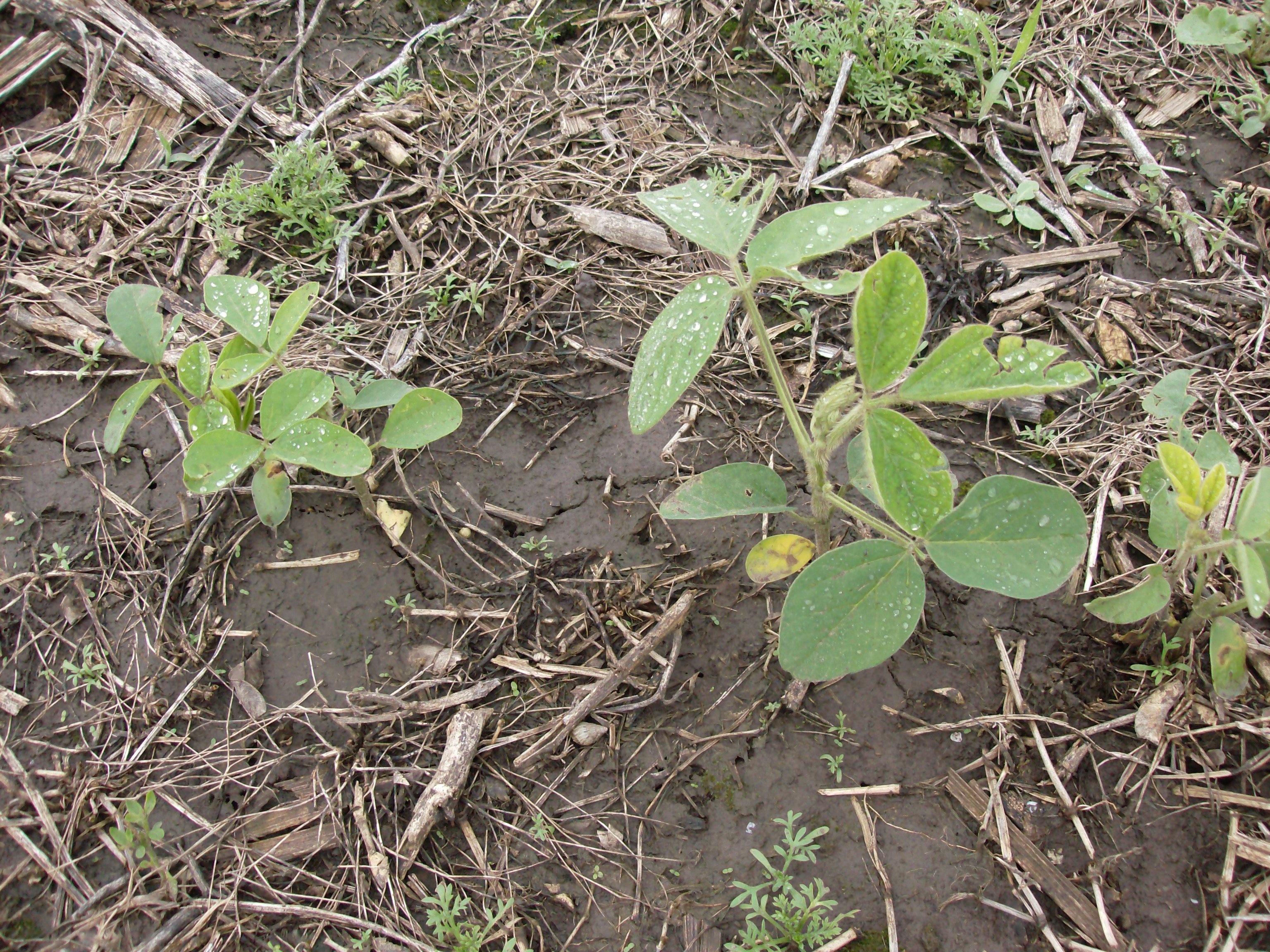
The soybean, soy bean, or soya bean is a species of legume native to East Asia, widely grown for its edible bean. Soy is a staple crop, the world's most grown legume, and an important animal feed.