Scientists map soybean's pollen-making cells gene by gene
Zhou H, Chen X, Yang X, Wu T, Ren P
Crop Improvement
Hybrid soybean breeding depends on controlling male fertility, and this cell-by-cell map hands plant breeders a precise toolkit instead of the old trial-and-error approach to making seedless or sterile lines.
Researchers looked inside developing soybean flower parts, one cell at a time, to see exactly which genes switch on as pollen forms. They found that as cells transform from regular double-set-of-chromosomes cells into single-set pollen cells, some previously silent genes suddenly activate, and the two cell types that eventually make up a pollen grain split into very different jobs. They also found two specific genes that are essential for making viable pollen, which breeders could target to control fertility in soybean crops.
Key Findings
Identified nine distinct cell types across somatic and reproductive lineages in developing soybean anthers using single-nucleus RNA sequencing
Found that transition from diploid meiocytes to haploid microspores activates previously silent genes even as overall gene expression drops
Confirmed via CRISPR/Cas9 and EMS mutants that OSD1A and PKSA genes are essential for pollen development and soybean fertility
chevron_right Technical Summary
Scientists mapped which genes turn on in individual cells as soybean flowers develop pollen, discovering two genes essential for fertility. This could help breeders create better hybrid soybean varieties by controlling male fertility precisely.
Abstract Preview
Original paper
A single-nucleus transcriptome atlas of soybean anthers.
Anther development is crucial for plant sexual reproduction. However, a high-resolution, cell-type-specific transcriptomic atlas of this process is lacking for the legume crop soybean (Glycine max)...
open_in_new Read full abstractAbstract copyright held by the original publisher.
Species Mentioned
Was this useful?
Want to tell us more? (optional)
Thanks for the note!
Something went wrong — please try again.
Too many submissions. Try again in an hour.
Targeted knockout of a host peroxisomal peptidase confers field resistance to...
The corn in your grocery store and the staple food keeping millions of East African families fed is under serious threat from a viral disease that can wipe o...
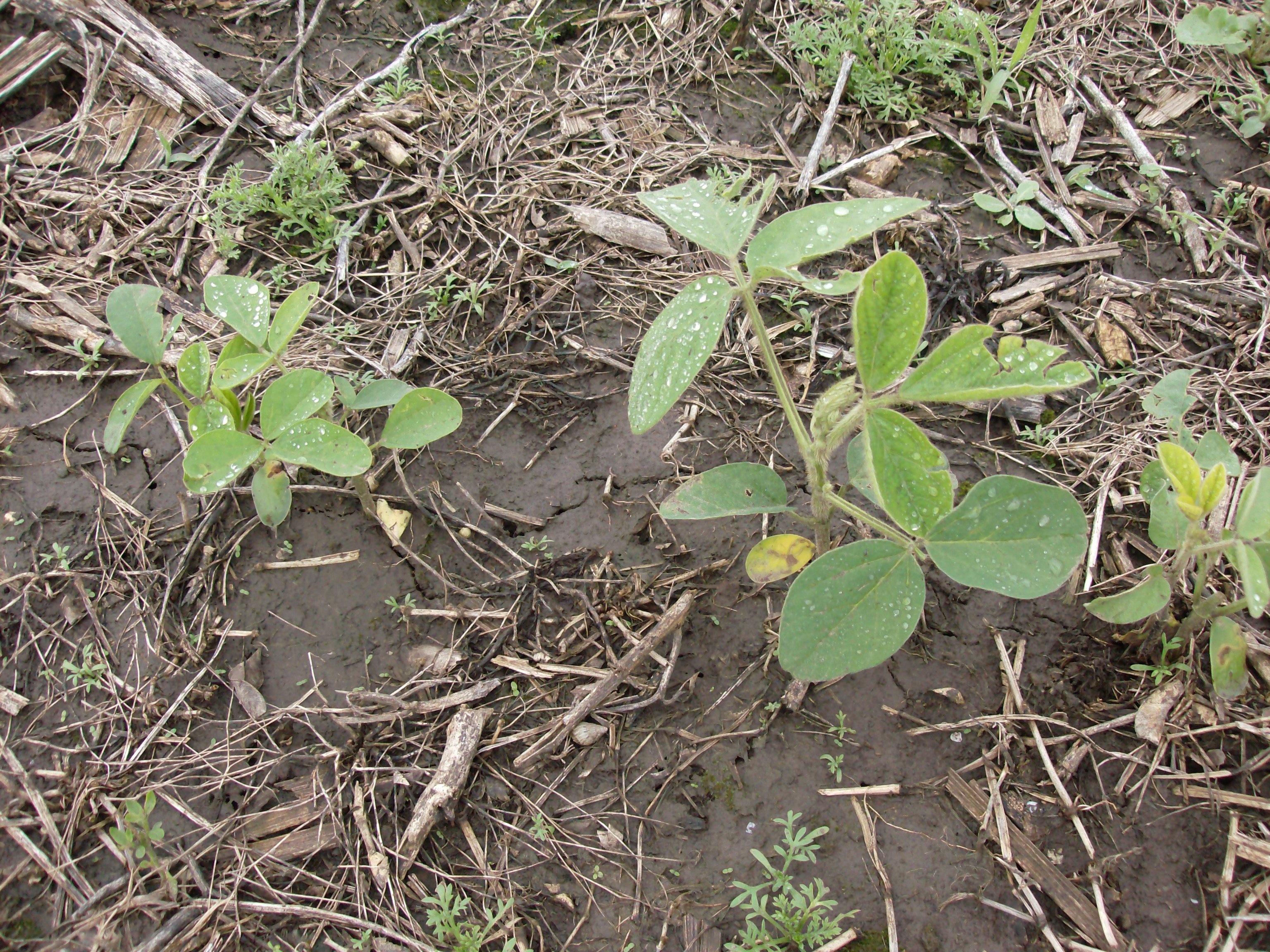
The soybean, soy bean, or soya bean is a species of legume native to East Asia, widely grown for its edible bean. Soy is a staple crop, the world's most grown legume, and an important animal feed.