Tropical shrub yields new compounds that kill cancer cells in lab
Cham PT, Vien LT, Ngoc NT, Hanh TTH, Cuong NT
Medicinal Plants
Plants like this one, related to citrus and used in traditional medicine across Southeast Asia, remind us that the unassuming shrubs in tropical gardens can hide chemistry worth a closer look.
Researchers dug into the branches and leaves of a plant called Melicope pteleifolia and found seven chemical compounds nobody had fully cataloged before, five of which were brand new to science. They figured out the exact 3D shape of these molecules using advanced spectroscopy, then tested them against liver, lung, and breast cancer cells grown in the lab to see if they could slow the cells down or kill them.
Key Findings
Seven benzopyran derivatives were isolated from Melicope pteleifolia branches and leaves, including five new compounds named melicopols A-E
The absolute 1'S configuration of a related compound, leptol A, was confirmed for the first time using experimental and calculated ECD spectral data
Cytotoxic activity of the compounds was evaluated against three human cancer cell lines: HepG2 (liver), SK-LU-1 (lung), and MCF7 (breast) using the SRB assay
chevron_right Technical Summary
Scientists found seven new chemical compounds in the branches and leaves of a tropical plant called Melicope pteleifolia, and testing showed some of these compounds can kill human cancer cells in lab dishes, including liver, lung, and breast cancer cells.
Abstract Preview
Original paper
Benzopyran derivatives from Melicope pteleifolia.
Phytochemical investigation of M. pteleifolia branches and leaves led to the isolation of seven benzopyran derivatives, including five new ones named melicopols A - E (2 - 6). The chemical structur...
open_in_new Read full abstractAbstract copyright held by the original publisher.
Species Mentioned
Was this useful?
Want to tell us more? (optional)
Thanks for the note!
Something went wrong — please try again.
Too many submissions. Try again in an hour.
Fifteen herbs from turmeric to lion's mane protect the aging brain
The saffron crocuses you plant in fall, the turmeric on a sunny windowsill, and the lemon balm spreading in your herb bed all contain compounds that clinical...
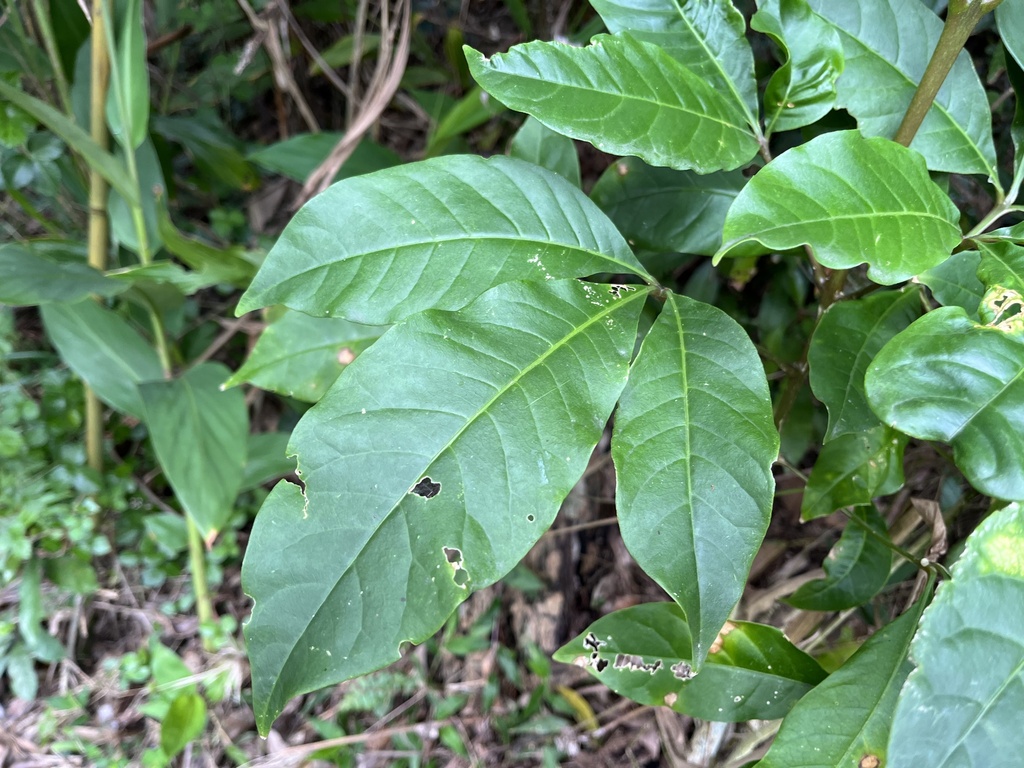
Photo (c) 黃美滿, taken in New Taipei, Taiwan. CC BY via iNaturalist.
Ethnobotany is the interdisciplinary study of how humans use, manage, and perceive plants across different cultures, drawing on knowledge from botany, anthropology, ecology, and chemistry. It matters for plant science because it documents traditional ecological knowledge that can reveal previously
arrow_forward Explore topic