Hospital feeding tubes may need a whole-food makeover
Morowitz MJ, Simon DM, Huang DT, Martinez EE, Mehta NM
Food Forest
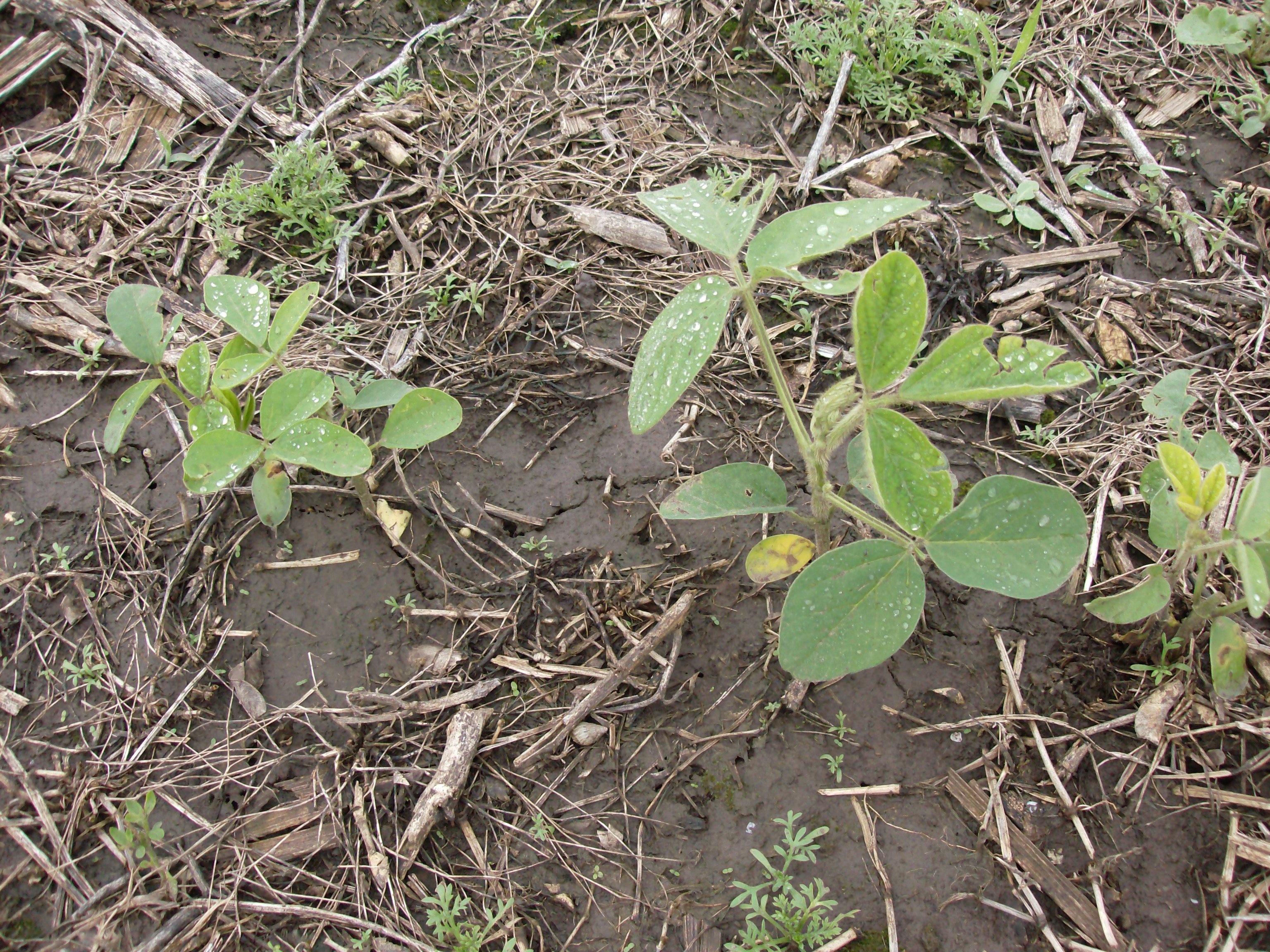
The same corn and soybean oil that dominate industrial ICU nutrition are grown in the vast monoculture fields you might drive past on a road trip, and this piece argues those processed derivatives may be doing more harm than the whole plants they came from.
For decades, critically ill hospital patients have been fed liquid formulas made mostly from corn starch, purified fiber, dairy protein, and soybean or other vegetable oils, chosen because they're cheap and shelf-stable, not because they're proven to help people heal. This article argues nobody has seriously tested whether swapping in whole-food or plant-based formulas would work better, even though such products already exist on the market.
Key Findings
Large randomized trials on the amount and timing of enteral nutrition in ICU patients have consistently shown no benefit
Most standard formulas use corn-derived simple carbohydrates, isolated fibers, dairy protein, and omega-6-heavy vegetable oils selected for manufacturing convenience rather than clinical evidence
No rigorous trials have yet compared commercially available whole-food or plant-based enteral formulas to conventional ones in critically ill patients
chevron_right Technical Summary
Doctors are questioning why ICU tube-feeding formulas rely on corn syrup, isolated fiber, and soybean oil instead of whole-food ingredients, and are calling for real trials comparing these industrial formulas to whole-food and plant-based alternatives.
Abstract Preview
Original paper
What Are We Actually Feeding ICU Patients? The Case for Studying Formula Composition.
Large randomized controlled trials testing the quantity and timing of enteral nutrition (EN) in critically ill patients have consistently failed to demonstrate benefit. We propose that these negati...
open_in_new Read full abstractAbstract copyright held by the original publisher.
Species Mentioned
Was this useful?
Want to tell us more? (optional)
Thanks for the note!
Something went wrong — please try again.
Too many submissions. Try again in an hour.
Targeted knockout of a host peroxisomal peptidase confers field resistance to...
The corn in your grocery store and the staple food keeping millions of East African families fed is under serious threat from a viral disease that can wipe o...

Maize, also known as corn in North American English, is a tall stout grass that produces cereal grain. The leafy stalk of the plant gives rise to male inflorescences or tassels which produce pollen, and female inflorescences called ears. The ears yield grain, known as kernels or seeds. In modern ...