Soybean chemical helps plants seal up during drought stress
Lin Y, Li C, Zhang B, Gu J, Zhang Y
Crop Improvement
If you've watched tomatoes or beans wilt in a summer dry spell, this points to a natural plant compound that breeders could use to build sturdier, less thirsty crop varieties.
Plants have tiny pores called stomata that they close to stop losing water when it's dry out. Researchers discovered that soybeans make two chemical cousins, DHK and DHQ, that act like a signal telling those pores to shut and helping the plant handle drought better. When they gave these compounds to soybean and even tobacco plants, both handled dry conditions much better, and they also found a version of the responsible gene that farmers may have already been unknowingly favoring for generations of soybean breeding.
Key Findings
DHK and DHQ compounds produced by GmF3H enzymes trigger ABA-dependent stomatal closure and improve drought tolerance in both soybean and tobacco
CRISPR knockout of GmF3H genes caused severe drought hypersensitivity and disrupted redox balance, but symptoms were rescued by directly applying DHK/DHQ
A naturally occurring GmF3H1 gene variant with higher enzyme activity and better root growth under drought appears to have been favored during soybean domestication
chevron_right Technical Summary
Scientists found a natural compound in soybeans that helps plants close their pores to conserve water during drought, and boosting this compound made soybean and tobacco plants noticeably more drought-tolerant.
Abstract Preview
Original paper
Flavonoid Biosynthesis Mediated by GmF3Hs Contributes to Drought Tolerance in Soybean.
Flavonoids are central to abiotic stress responses, yet the specific signaling roles and evolutionary dynamics of flavonoid biosynthetic intermediates in crop drought adaptation remain elusive. Her...
open_in_new Read full abstractAbstract copyright held by the original publisher.

Was this useful?
Want to tell us more? (optional)
Thanks for the note!
Something went wrong — please try again.
Too many submissions. Try again in an hour.
Targeted knockout of a host peroxisomal peptidase confers field resistance to...
The corn in your grocery store and the staple food keeping millions of East African families fed is under serious threat from a viral disease that can wipe o...
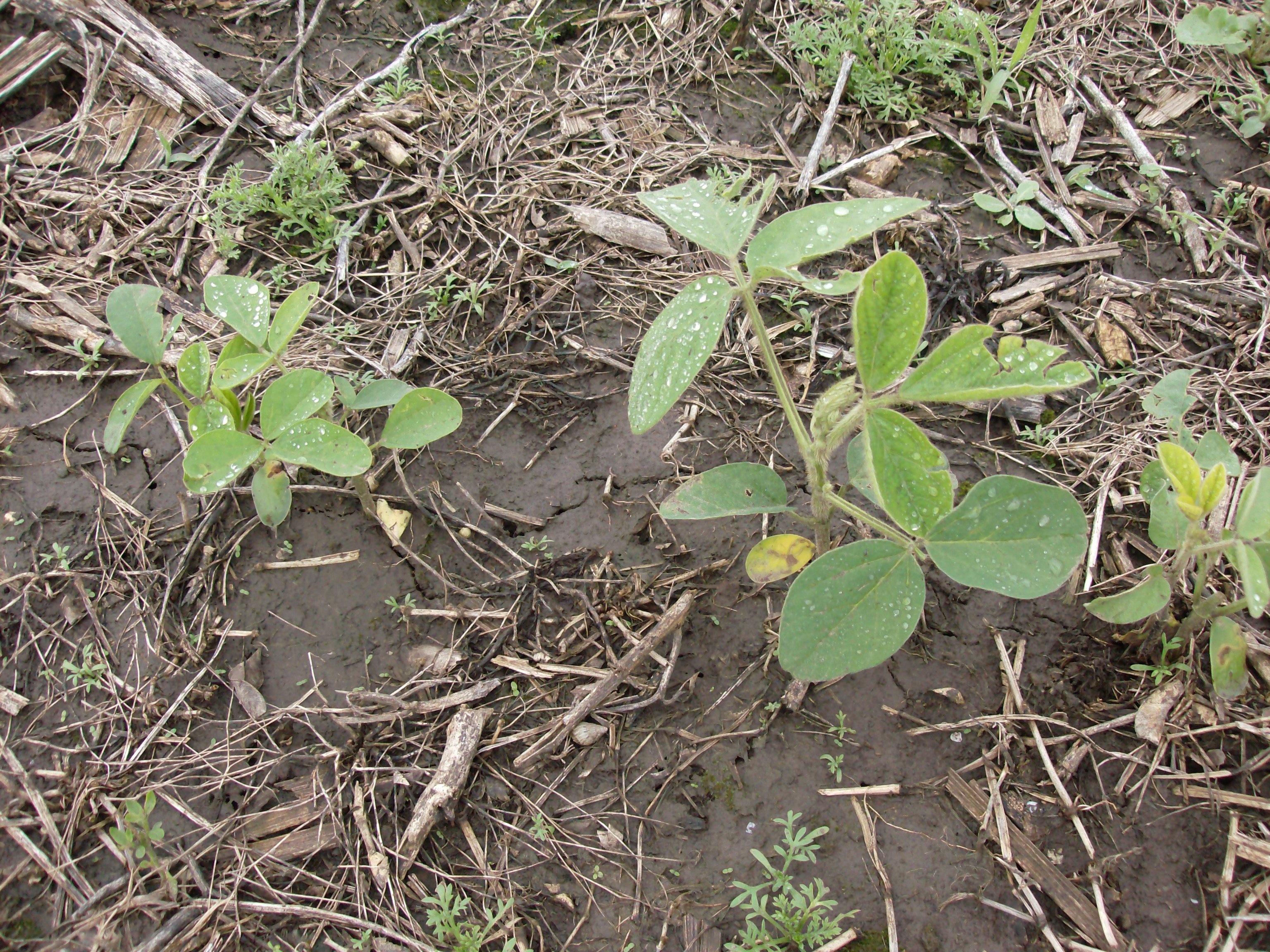
The soybean, soy bean, or soya bean is a species of legume native to East Asia, widely grown for its edible bean. Soy is a staple crop, the world's most grown legume, and an important animal feed.