Creating artificial miR2118a/b to boost yield and broad-spectrum resistance in soybean via CRISPR/Cas9-targeted mutation.
Chen L, Ouyang W, Hu Y, Peng L, Chen P
Crispr
It points toward soybeans (and potentially other crops) that need fewer pesticides and fungicides while producing more food, which could lower grocery prices and reduce chemical runoff into the soil and water near your home.
Researchers tweaked a tiny genetic switch inside soybean plants using a precise editing tool called CRISPR. By changing this switch, the plants naturally turned up their own defense systems and growth programs. The result: soybean plants that fought off bacterial infections and two types of harmful worms in the soil — and still grew bigger harvests — all without adding any foreign DNA to the plant.
Key Findings
CRISPR-edited soybeans showed enhanced resistance to three distinct threats simultaneously: a bacterial pathogen (Pseudomonas syringae), soybean cyst nematode, and root-knot nematode.
The edited plants achieved increased crop yield under normal field conditions compared to unedited wild-type plants, demonstrating that disease resistance and productivity gains can coexist.
The improved plants are transgene-free, meaning no foreign DNA was inserted — only the plant's own genetic sequence was modified, which may ease regulatory approval and public acceptance.
chevron_right Technical Summary
Scientists used CRISPR gene editing to create modified soybeans that are simultaneously more resistant to multiple diseases and pests — and produce higher yields — without introducing foreign genes into the plant.
Abstract Preview
While regulatory functions of mature miRNAs are well established, the functions of miRNAs* and their potential for genetic engineering in crop improvement remain underexplored. Here, we used cluste...
open_in_new Read full abstractAbstract copyright held by the original publisher.
Species Mentioned
Was this useful?
Want to tell us more? (optional)
Thanks for the note!
Something went wrong — please try again.
Too many submissions. Try again in an hour.
Targeted knockout of a host peroxisomal peptidase confers field resistance to...
The corn in your grocery store and the staple food keeping millions of East African families fed is under serious threat from a viral disease that can wipe o...
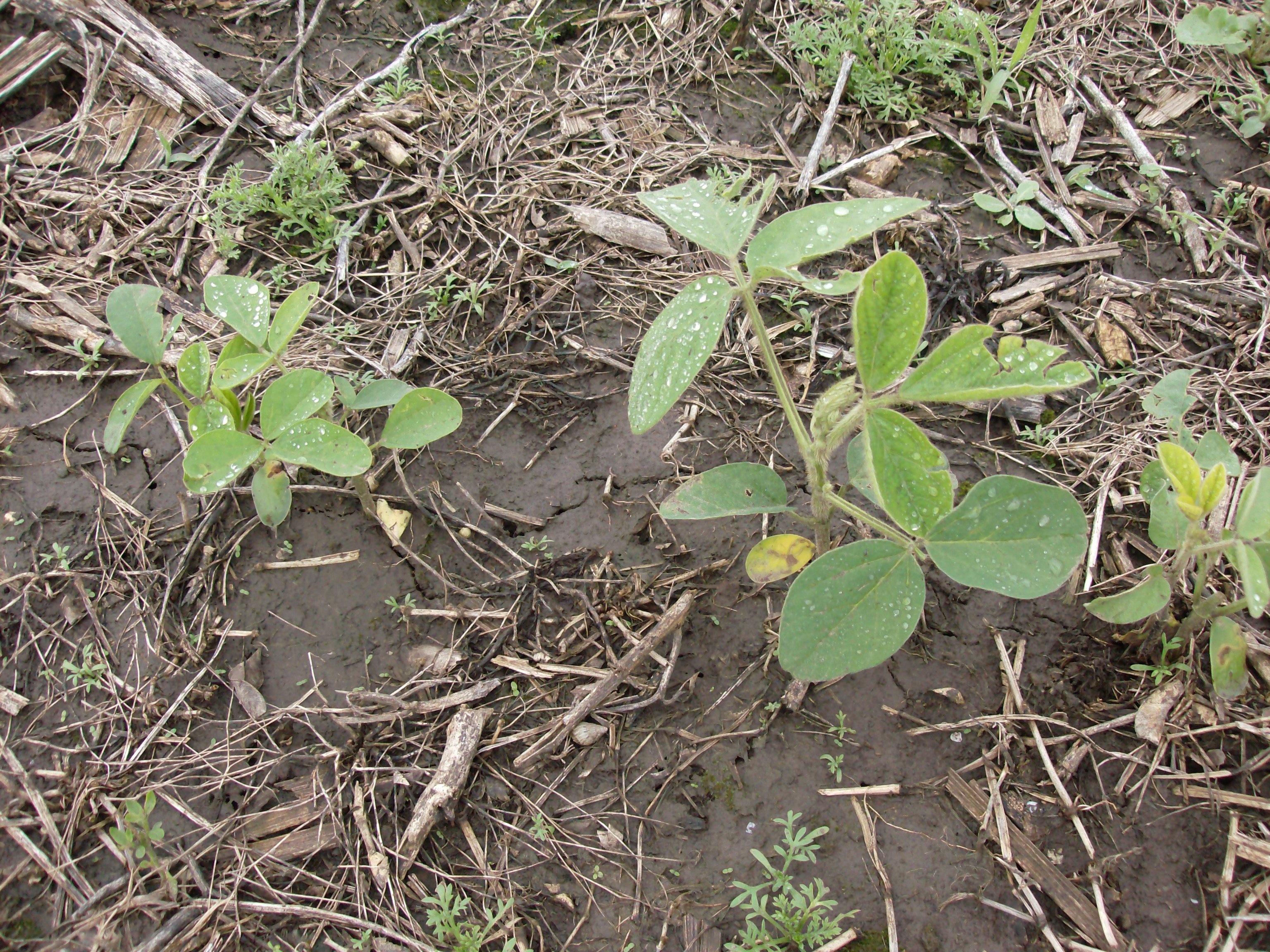
The soybean, soy bean, or soya bean is a species of legume native to East Asia, widely grown for its edible bean. Soy is a staple crop, the world's most grown legume, and an important animal feed.