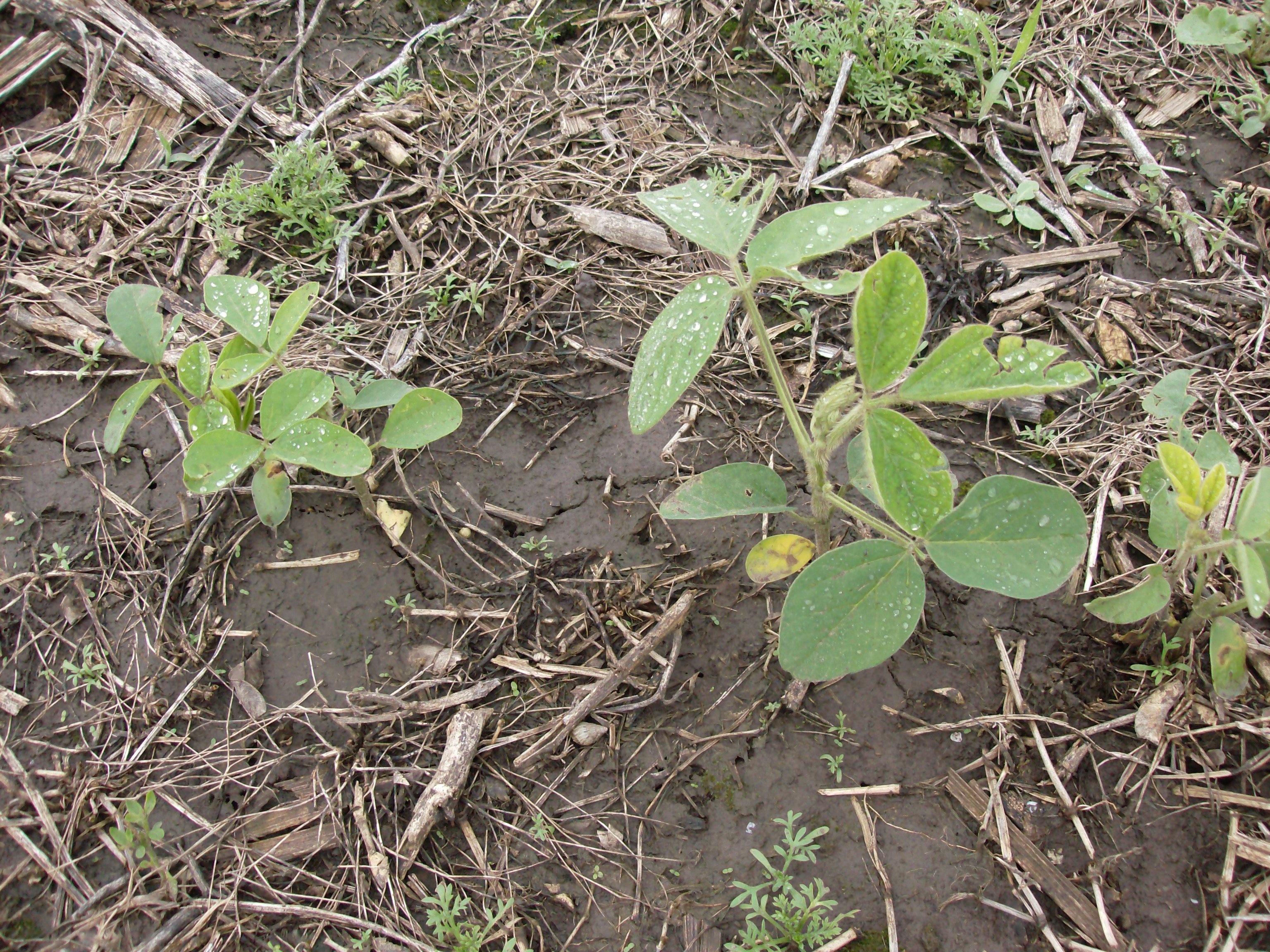
Root-dwelling bacteria help soybeans beat salt and poor soil
Soil Health
If you've ever struggled with a garden bed that's both nutrient-poor and crusted with salt from fertilizer buildup, this bacterium points to a living solution instead of another bag of amendments.
Scientists found a bacterium called Streptomyces that lives quietly inside soybean roots without causing disease. When soybeans face low phosphorus or salty soil, both common problems for farmers, this bacterium seems to help the plant cope by improving how it manages nutrients and stress. It's part of a growing understanding that the microbes living inside plants aren't just passengers, they're active partners in survival.
Key Findings
1
Endophytic Streptomyces sp. M57 colonizes soybean roots and alleviates both phosphorus starvation and salt stress simultaneously
2
The bacterium influences soil-plant microecological regulation, suggesting it reshapes microbial community dynamics around roots
3
Findings support using beneficial endophytes as a biological strategy for improving crop resilience in marginal or stressed soils
chevron_right
Technical Summary
A soil bacterium living inside soybean roots helps the plants survive two of farming's toughest problems at once: low phosphorus and salty soil, by improving nutrient uptake and easing stress at the same time.
The soybean, soy bean, or soya bean is a species of legume native to East Asia, widely grown for its edible bean. Soy is a staple crop, the world's most grown legume, and an important animal feed.