Traditional herbs show liver safety limits and brain activity effects
Medicinal Plants
If you brew herbal teas or forage wild plants for home remedies, this study is a reminder that 'natural' dosing matters: the same plant that's harmless at one amount can stress your liver at a higher one.
Researchers tested two herbs long used in Armenian folk medicine, Ziziphora (a mint relative) and Ferula (related to giant fennel), by feeding extracts to rats and checking their liver health and brain activity. At a moderate dose both plants seemed safe, but a higher dose of Ziziphora raised a liver enzyme that signals possible damage. Both plants also nudged the activity of brain cells connected to memory, which is why the researchers think they're worth studying further for conditions like Alzheimer's.
Key Findings
Ziziphora extract's active compound content (hydroxycinnamic acids) measured at 5.16%, compared to 3.13% in Ferula extract
At 400 mg/kg/day for 3 weeks, Ziziphora significantly raised liver enzyme ALT in rats, while 200 mg/kg doses of both plants showed no liver enzyme changes
Single doses of 200 mg/kg of either extract altered spike activity in cholinergic brain neurons, pathways linked to memory and Alzheimer's disease
chevron_right Technical Summary
Two traditional Armenian medicinal herbs, Ziziphora clinopodioides and Ferula rigidula, appear safe for the liver at moderate doses in rats, but a higher dose of Ziziphora caused liver stress. Both plants also changed brain-cell activity in regions involved in memory and cognition, hinting at possible relevance to conditions like Alzheimer's.
Abstract Preview
Original paper
UV-Vis spectrophotometric analysis and in vivo evaluation of safety and neuronal targets of the raw materials <i>Ziziphora clinopodioides</i> (Lam.) and <i>Ferula rigidula</i> (L.)
Background: The analysis of Armenian folk medicine shows that Ferula rigidula and Ziziphora clinopodioides are widely used for their phytotherapeutic and phytonutrient properties. However, these pl...
open_in_new Read full abstractAbstract copyright held by the original publisher.
Species Mentioned
Was this useful?
Want to tell us more? (optional)
Thanks for the note!
Something went wrong — please try again.
Too many submissions. Try again in an hour.
Fifteen herbs from turmeric to lion's mane protect the aging brain
The saffron crocuses you plant in fall, the turmeric on a sunny windowsill, and the lemon balm spreading in your herb bed all contain compounds that clinical...
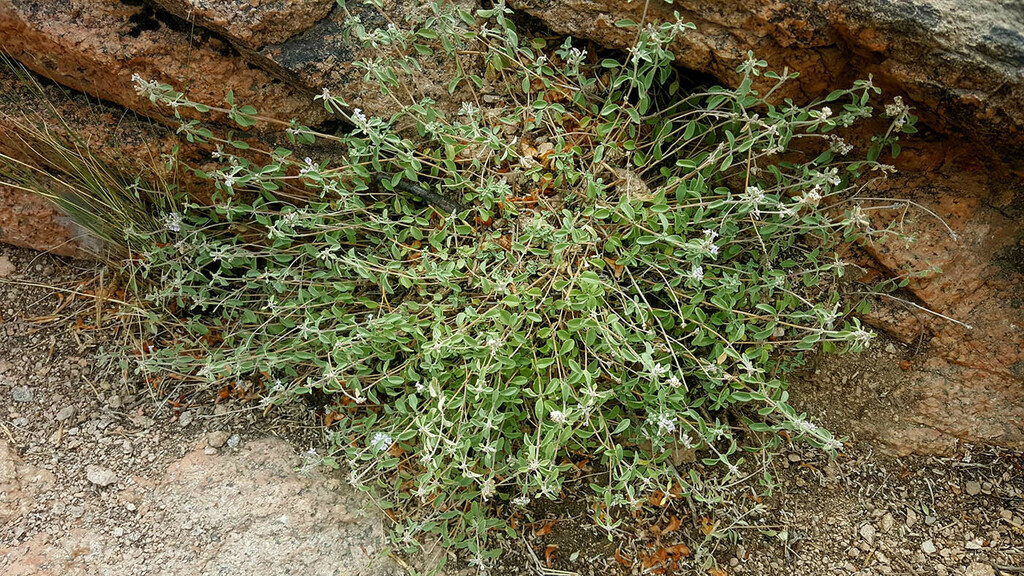
Photo (c) Urgamal Magsar, taken in Hovd, Mongolia. CC BY via iNaturalist.
Ethnobotany is the interdisciplinary study of how humans use, manage, and perceive plants across different cultures, drawing on knowledge from botany, anthropology, ecology, and chemistry. It matters for plant science because it documents traditional ecological knowledge that can reveal previously
arrow_forward Explore topic