Wild thyme extract kills stored-grain beetles, no pesticides needed
Medicinal Plants
The thyme growing in your herb bed isn't just for the kitchen: compounds in its leaves can kill and repel the beetles that ruin stored grain, hinting at a home-grown alternative to chemical pesticides.
Researchers soaked two herbs, a wild thyme called Thymus carmanicus and a mint relative called Ziziphora tenuior, in alcohol to pull out their natural chemicals, then tested those extracts on red flour beetles, a notorious pest of stored grain. The thyme extract was the star performer: at its strongest dose it killed over 90% of beetles, repelled nearly 89% of them, and cut egg-laying by more than half. Both plants worked better as the dose increased, suggesting garden herbs could someday replace some synthetic pesticides in grain storage.
Key Findings
50% Thymus carmanicus extract achieved 90.66% mortality in red flour beetles, the highest of any treatment tested
At 50% concentration, T. carmanicus repelled 88.91% of beetles versus 76.78% for Ziziphora tenuior
Oviposition (egg-laying) deterrence reached 51.66% for T. carmanicus and 44.61% for Z. tenuior, with both plants improving at higher concentrations
chevron_right Technical Summary
Extracts from two wild herbs in the mint family, a thyme relative and a plant called Ziziphora, killed and repelled red flour beetles, a major grain-storage pest, without synthetic chemicals. The thyme extract worked best, killing over 90% of beetles at the highest dose tested.
Abstract Preview
Original paper
Insecticidal, Repellent, and Oviposition Deterrent Effects of Methanolic Extracts of Thymus carmanicus Linnaus and Ziziphora tenoiur Jalas against Tribolium castaneum Herbst (Coleoptera: Tenebrionidae)
Objective: To identify safe, natural alternatives to synthetic insecticides for integrated stored-product pest management, the insecticidal, repellent, and oviposition-deterrent effects of Thymus c...
open_in_new Read full abstractAbstract copyright held by the original publisher.
Species Mentioned
Was this useful?
Want to tell us more? (optional)
Thanks for the note!
Something went wrong — please try again.
Too many submissions. Try again in an hour.
Targeted knockout of a host peroxisomal peptidase confers field resistance to...
The corn in your grocery store and the staple food keeping millions of East African families fed is under serious threat from a viral disease that can wipe o...
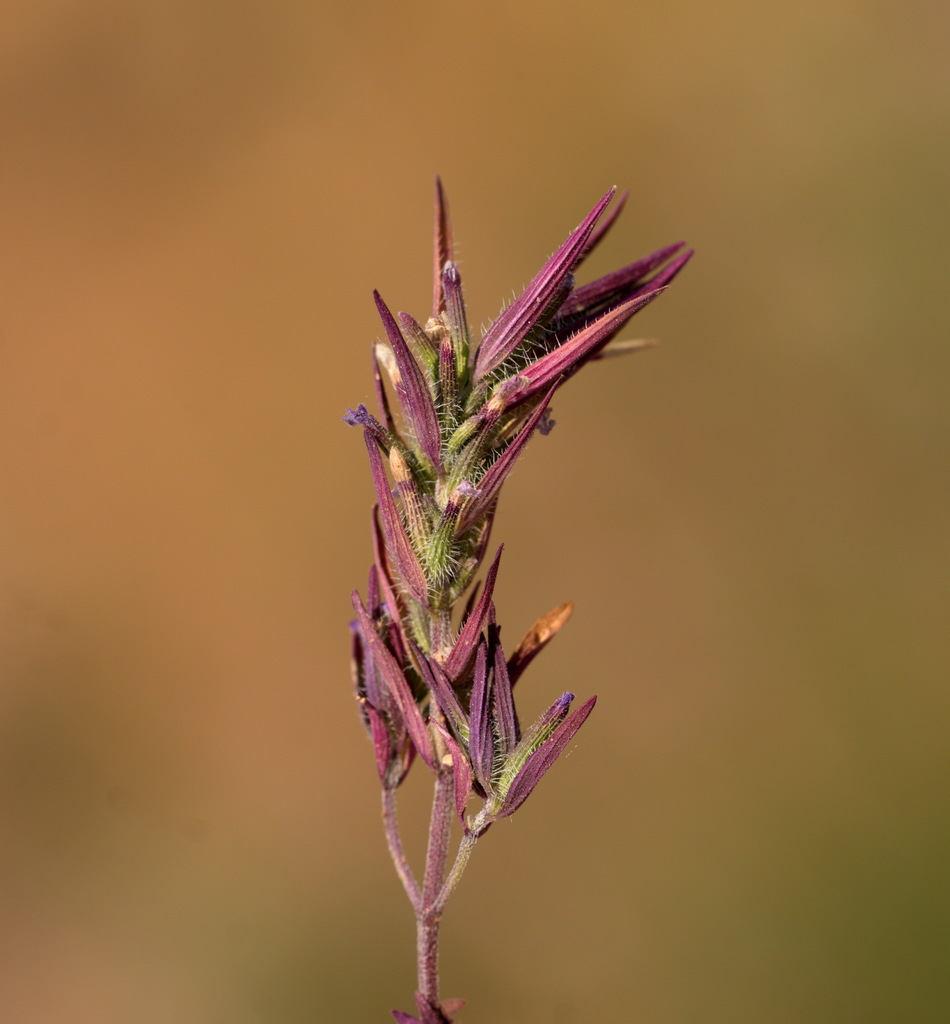
Photo (c) Вячеслав Юсупов, taken in Namangan, Uzbekistan. CC BY via iNaturalist.
Ethnobotany is the interdisciplinary study of how humans use, manage, and perceive plants across different cultures, drawing on knowledge from botany, anthropology, ecology, and chemistry. It matters for plant science because it documents traditional ecological knowledge that can reveal previously
arrow_forward Explore topic