Traditional herb eases gout-linked kidney damage in mouse study
Wang W, Min Z, Luo C, Yang M, Chen L
Medicinal Plants
The gardener growing clematis vines for their showy blooms might not realize a wild relative of that same genus has been used for centuries in Chinese medicine to fight inflammation, and lab science is now catching up to explain why.
Researchers took a plant called Clematis hexapetala, long used in traditional Chinese medicine, and broke it into different chemical extracts to test on mice with high uric acid levels, the kind that causes gout and kidney problems in people. One specific extract, made using a butanol solvent, worked best: it lowered uric acid in the blood, protected kidney tissue from damage, and even shifted the mice's gut bacteria in a healthier direction. The plant contains thousands of compounds, mostly flavonoids and phenolic acids, that seem to calm an inflammatory signaling pathway in the kidneys.
Key Findings
UHPLC-QE-MS analysis identified 9,094 potential active compounds across the four extracts, mainly flavonoids and phenolic acids
High-dose n-butanol fraction (CHP-B) significantly reduced serum uric acid and improved renal tissue lesions in hyperuricemic mice
Network pharmacology found 479 drug-disease intersection targets enriched in the PI3K/AKT/NF-κB pathway, later confirmed by RT-qPCR and Western blot as the mechanism behind reduced inflammation and fibrosis
chevron_right Technical Summary
A traditional Chinese medicinal plant, Clematis hexapetala, lowered uric acid levels and protected kidney tissue in mice with induced hyperuricemia, a condition linked to gout and kidney disease.
Abstract Preview
Original paper
Extract of Clematis hexapetala regulates uric acid metabolism, alleviates renal inflammation and fibrosis via the PI3K/AKT/NF-κB signaling pathway, and improves hyperuricemia in mice.
Hyperuricemia can lead to various diseases including hyperuricemic nephropathy and gout, which result from long-term uric acid accumulation. Clematis hexapetala Pall. is one of the official species...
open_in_new Read full abstractAbstract copyright held by the original publisher.
Species Mentioned
Was this useful?
Want to tell us more? (optional)
Thanks for the note!
Something went wrong — please try again.
Too many submissions. Try again in an hour.
Nanoplastics interfere with plant-mycorrhizal communication and limit plant growth.
Microplastics breaking down in your garden soil are quietly strangling the beneficial fungi that help your vegetables absorb phosphorus and other nutrients, ...
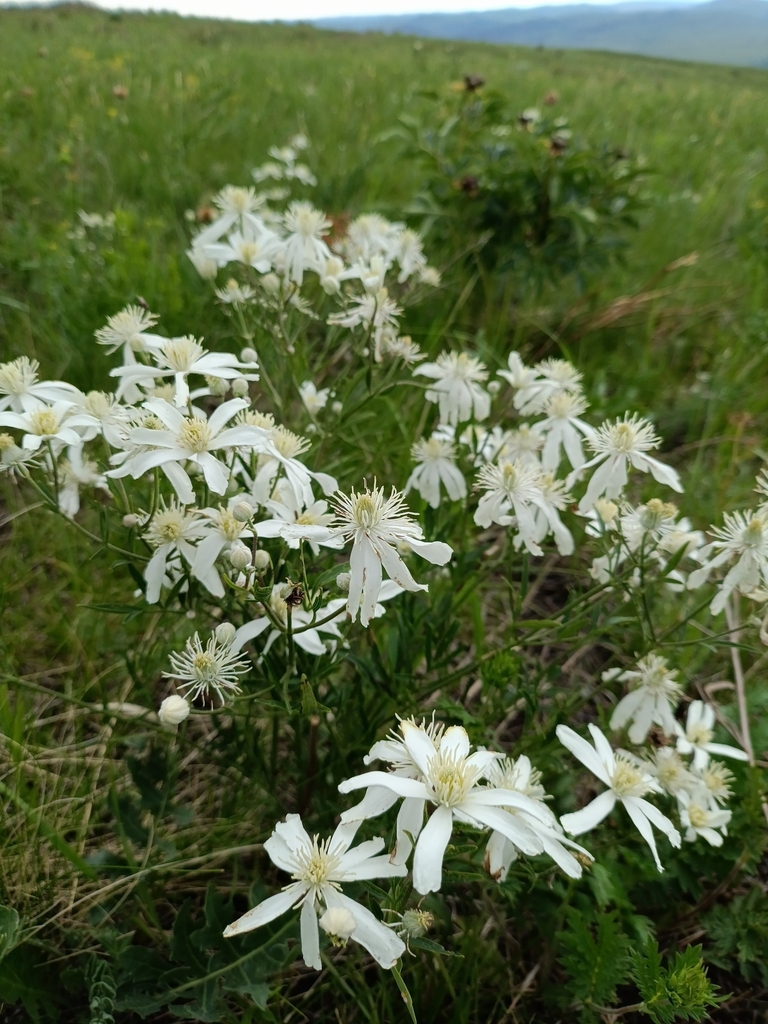
Photo (c) Святослав Власенко, taken in Zabaykal'ye, Russia. CC BY via iNaturalist.
Ethnobotany is the interdisciplinary study of how humans use, manage, and perceive plants across different cultures, drawing on knowledge from botany, anthropology, ecology, and chemistry. It matters for plant science because it documents traditional ecological knowledge that can reveal previously
arrow_forward Explore topic