Traditional herb extract blocks cancer growth pathway in lab tests
Lin R, Chen R, Tao L, Jiang X, Yu F
Medicinal Plants
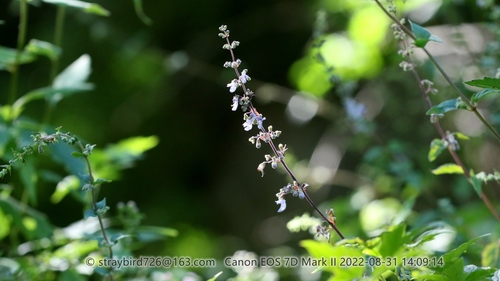
The mint-family plant behind this ancient decoction, sometimes grown as an ornamental or medicinal herb, is a reminder that folk remedies passed down for generations can hold real, testable pharmacology.
Researchers took a water-based extract from a plant called Rabdosia rubescens, long used in traditional Chinese medicine as a tea-like decoction, and tested it against esophageal cancer cells in rats and in lab dishes. They found 35 different plant compounds entering the bloodstream after the extract was given, and these compounds worked together to switch off a signaling pathway that cancer cells rely on to grow, spread, and generate energy. The extract also shifted the balance of gut bacteria and improved liver and kidney function in the treated animals.
Key Findings
35 blood-absorbed plant compounds were identified after oral dosing, mainly flavonoids, glycosides, and organic acids
The extract dose-dependently shrank tumors in a mouse xenograft model while also improving liver and kidney function
In cell tests, the extract suppressed cancer cell proliferation, migration, and glycolysis by blocking the PI3K/AKT/mTOR signaling pathway
chevron_right Technical Summary
A traditional Chinese herbal decoction made from the plant Rabdosia rubescens slowed the growth of esophageal cancer cells in lab and animal studies by shutting down a key cell-growth signaling pathway. The research offers early scientific support for a plant that's long been used in folk medicine for this hard-to-treat cancer.
Abstract Preview
Original paper
Multi-omics analysis reveals that Rabdosia rubescens aqueous extract inhibits esophageal squamous cell carcinoma by targeting the PI3K/AKT/mTOR pathway.
Esophageal squamous cell carcinoma (ESCC) is a refractory malignancy characterized by limited therapeutic options and poor prognosis. The aqueous extract of Rabdosia rubescens (R. rubescens), known...
open_in_new Read full abstractAbstract copyright held by the original publisher.
Species Mentioned
Was this useful?
Want to tell us more? (optional)
Thanks for the note!
Something went wrong — please try again.
Too many submissions. Try again in an hour.
Nanoplastics interfere with plant-mycorrhizal communication and limit plant growth.
Microplastics breaking down in your garden soil are quietly strangling the beneficial fungi that help your vegetables absorb phosphorus and other nutrients, ...
Ethnobotany is the interdisciplinary study of how humans use, manage, and perceive plants across different cultures, drawing on knowledge from botany, anthropology, ecology, and chemistry. It matters for plant science because it documents traditional ecological knowledge that can reveal previously
arrow_forward Explore topic