Root-tapping boreal plant confirmed growing in Denali National Park
iNaturalist: savspratt518
Native Plants
Northern Comandra steals water and nutrients straight from spruce roots underground, so spotting it tells you something about the health and species mix of the forest floor beneath your feet.
Northern Comandra is a low-growing plant that looks harmless but secretly connects its roots to nearby spruce trees to steal some of their food and water. Someone hiking in Denali National Park photographed it and submitted the sighting to iNaturalist, where other naturalists confirmed the identification, making it an official, verified record of where this plant grows in the wild.
Key Findings
Observation was verified as 'research-grade' on iNaturalist, meaning the community confirmed the species identification
Sighting location: Denali National Park & Preserve near Healy, Alaska
Geocaulon lividum is a hemiparasite that attaches to the roots of conifers, especially black and white spruce, to draw nutrients
chevron_right Technical Summary
A citizen scientist confirmed a research-grade sighting of Northern Comandra, a small parasitic plant that taps into spruce tree roots, growing in Denali National Park in Alaska.
Abstract Preview
Original paper
Northern Comandra (Geocaulon lividum) observed in Denali National Park & Preserve, Healy, AK, US
Research-grade observation of Northern Comandra in Denali National Park & Preserve, Healy, AK, US.
open_in_new Read full abstractAbstract copyright held by the original publisher.
Species Mentioned
Was this useful?
Want to tell us more? (optional)
Thanks for the note!
Something went wrong — please try again.
Too many submissions. Try again in an hour.
Warming killed underground fungi and pushed meadows toward shrublands
Mountain meadows and wildflower-rich grasslands many people hike through and depend on for clean water and biodiversity are quietly transforming underground ...
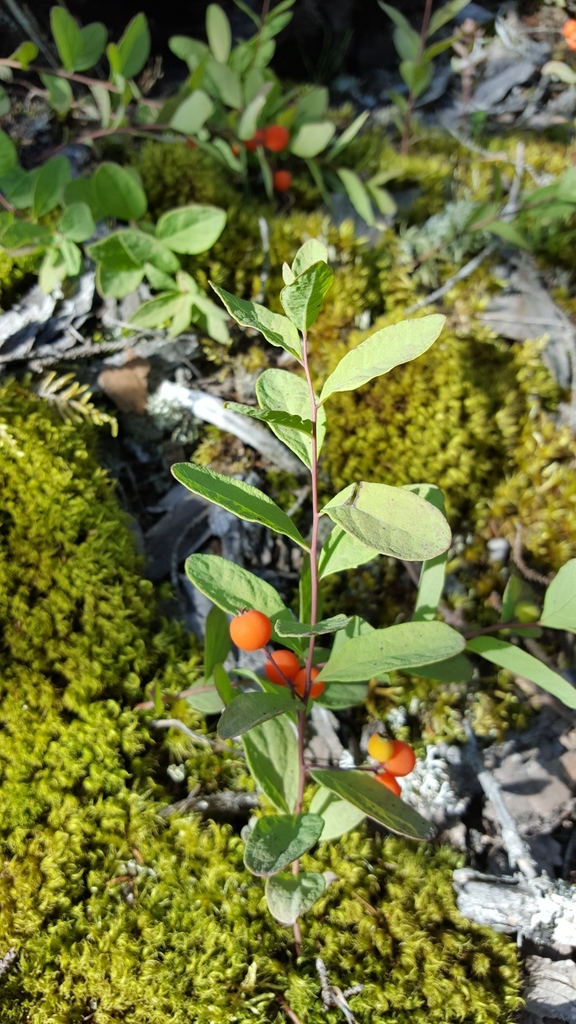
Photo (c) Norma Malinowski, taken in Minnesota, United States. CC BY via iNaturalist.
Phenology is the study of recurring biological events in plant life cycles—such as flowering, fruiting, and germination—and how these events are timed in response to seasonal and climatic conditions. This research is essential to plant science because phenological patterns directly influence
arrow_forward Explore topic