Nano-sized charcoal helps soybeans shrug off toxic soil metal
Wang Y, Xu Y, Cao Y, Hu Y, Liu C
Phytoremediation
If you garden on old industrial land, near a road, or in a city lot with questionable soil history, this points to a low-cost soil amendment that could reduce heavy metal uptake into the vegetables you're growing.
Cadmium is a toxic metal that can build up in soil and get pulled into food crops, which is bad news for both plants and anyone eating them. Researchers found that mixing biochar, basically charcoal made from burned plant matter, into contaminated soil helped soybean plants stay healthier and take up far less cadmium. Grinding that biochar down to super-tiny micro and nano-sized particles worked even better, cutting cadmium levels in the soybean shoots and roots by over 65%.
Key Findings
Micro/nanoscale biochar (MNBC) reduced oxidative stress markers (malondialdehyde and superoxide anion) in soybeans by up to 52.7% and 31.2% respectively, outperforming regular biochar.
At a 4% application rate, MNBC cut cadmium accumulation in soybean shoots by 70.7% and in roots by 65.2%.
Both biochar types shifted rhizosphere bacterial communities toward more r-strategist (fast-colonizing) microbes and fewer K-strategist (slow, stress-tolerant) microbes under cadmium stress.
chevron_right Technical Summary
Tiny particles of charred plant material, especially when ground down to micro and nano scale, can help soybean plants survive in cadmium-polluted soil by cutting the amount of toxic metal the plant absorbs and by reshaping the soil's bacterial community to favor faster-recovering microbes.
Abstract Preview
Original paper
Micro/nanoscale biochar facilitates cadmium immobilization and soybean resilience: Insights from microbial life-history strategies and plant physiological response.
Biochar (BC), particularly micro/nanoscale biochar (MNBC), exhibits great potential for remediating heavy metal-contaminated soils. However, the mechanisms underlying their effects on microbial lif...
open_in_new Read full abstractAbstract copyright held by the original publisher.
Species Mentioned
Was this useful?
Want to tell us more? (optional)
Thanks for the note!
Something went wrong — please try again.
Too many submissions. Try again in an hour.
Gene editing removes 97% of celiac-triggering proteins from bread wheat
It could mean that people with celiac disease — roughly 1 in 100 worldwide — may one day safely eat bread made from real wheat, without sacrificing the taste...
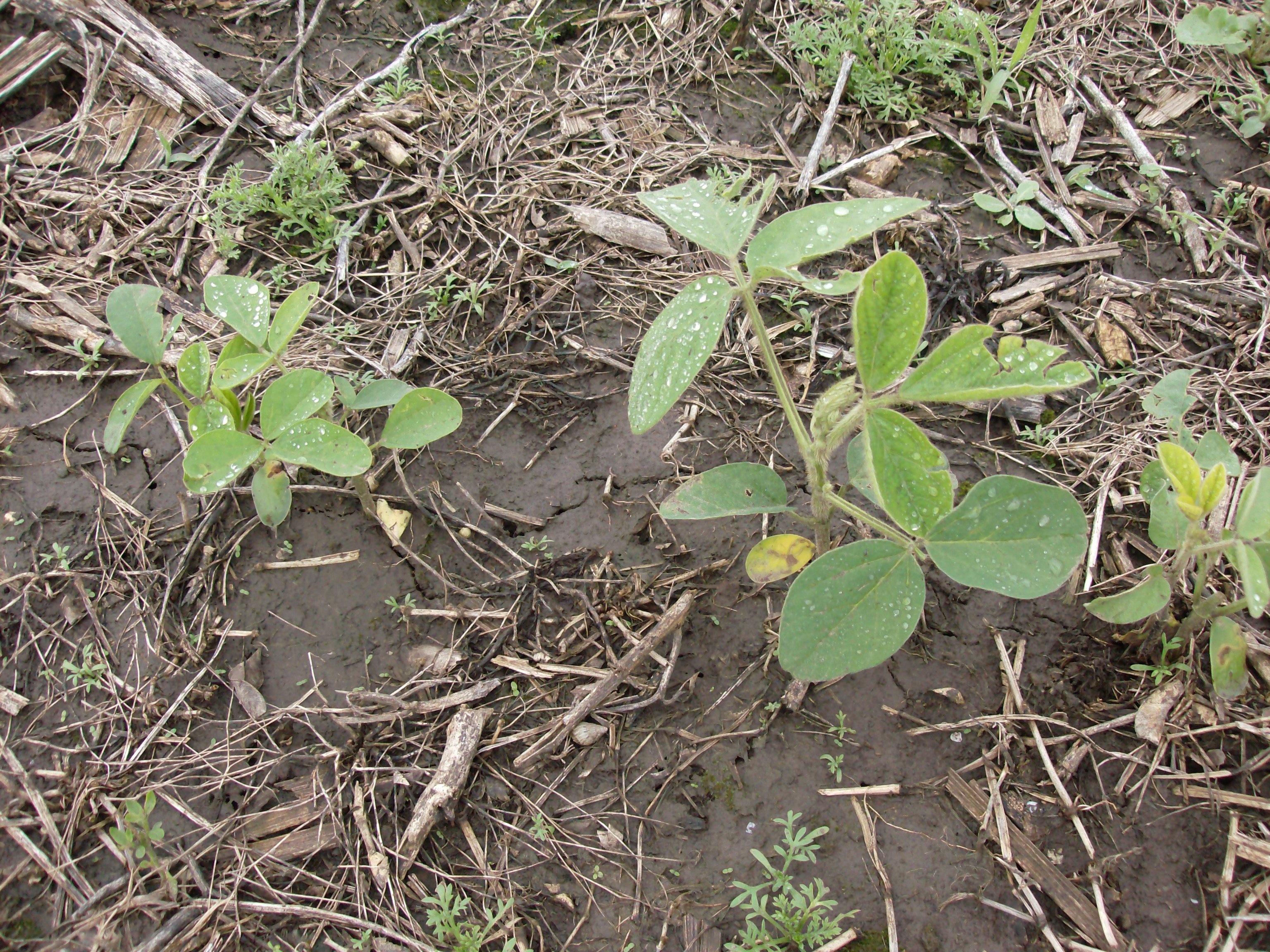
The soybean, soy bean, or soya bean is a species of legume native to East Asia, widely grown for its edible bean. Soy is a staple crop, the world's most grown legume, and an important animal feed.