Editing one gene makes soybean plants produce far more seeds
Hu L, Qiang W, Chen Y, Tian H, Li S
Crispr
Soybeans are one of the most widely grown crops on the planet, feeding livestock, people, and industry, so a single gene tweak that boosts yield by half could ripple through farms and food supplies worldwide.
Plants make a hormone called cytokinin that helps control how many seeds they produce, but an enzyme called CKX3 breaks that hormone down and limits growth. Researchers used CRISPR gene-editing to disable the CKX3a gene in soybean, and the plants responded by making more seeds and bigger seeds, thanks to extra cell division. The result was a yield increase of over 50%, matching what scientists had already seen when they tried the same trick in the lab plant Arabidopsis.
Key Findings
CRISPR/Cas9 knockout of CKX3a in soybean increased seed yield by 52.4%
The gene edit boosted both seed number per plant and individual seed weight simultaneously
Larger seed size resulted from enhanced cell division, and results mirrored prior yield gains seen in Arabidopsis
chevron_right Technical Summary
Scientists used gene-editing to switch off a single gene in soybean plants and boosted seed yield by over 52%, offering a promising path toward higher-yielding soybean crops without traditional breeding.
Abstract Preview
Original paper
Targeted Mutagenesis of CKX3 Homologs Enhances Seed Yield in Soybean.
This study demonstrates that CRISPR/Cas9‐mediated knockout of the cytokinin oxidase gene CKX3a in soybean simultaneously increases both seed number per plant and individual seed weight, resulting i...
open_in_new Read full abstractAbstract copyright held by the original publisher.
Species Mentioned

Was this useful?
Want to tell us more? (optional)
Thanks for the note!
Something went wrong — please try again.
Too many submissions. Try again in an hour.
Gene editing removes 97% of celiac-triggering proteins from bread wheat
It could mean that people with celiac disease — roughly 1 in 100 worldwide — may one day safely eat bread made from real wheat, without sacrificing the taste...
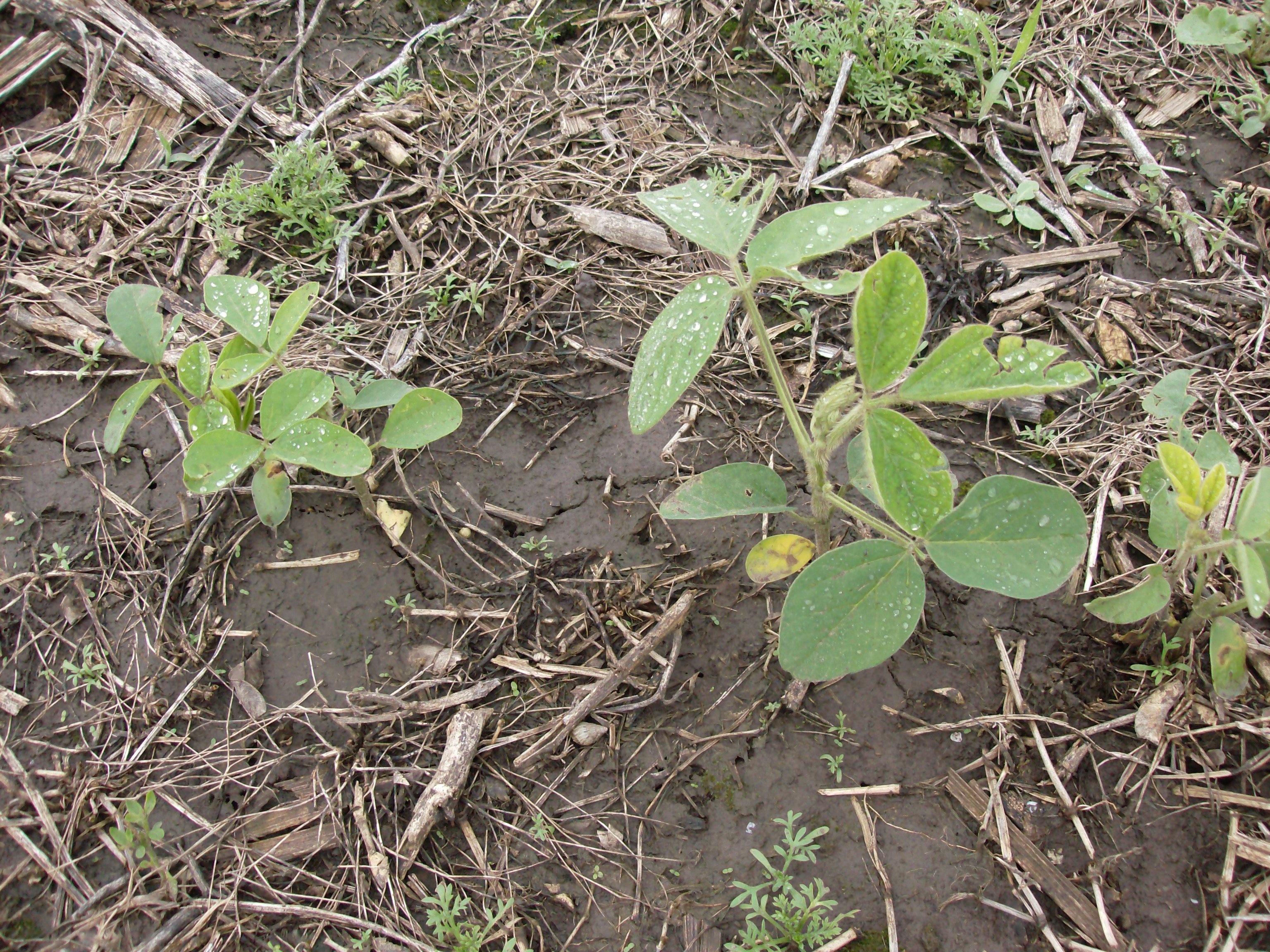
The soybean, soy bean, or soya bean is a species of legume native to East Asia, widely grown for its edible bean. Soy is a staple crop, the world's most grown legume, and an important animal feed.