One gene controls cucumber's prickly skin and pest defense
Sun P, Yan J, Liu W, Hong J, Zhai X
Crispr
The bumpy spines on a fresh cucumber aren't just texture, they're a chemical defense system, and this gene is the switch that builds them and helps the plant fend off aphids.
Cucumbers are covered in tiny spines and waxy hairs that shape how they look and how well they resist pests. Researchers found a single gene, called CsESR1, that tells the plant to grow these structures on its stems, leaves, and fruit skin. When they used gene editing to switch it off, the cucumbers turned smooth and shiny, but the plants also lost some of their natural ability to fight off aphids.
Key Findings
CsESR1 is expressed in the epidermis (outer skin layer) of stems, leaves, flower buds, and ovaries
CRISPR/Cas9 knockout of CsESR1 caused reduced spine density, altered spine shape, and glabrous (hairless) stems, leaves, and tendrils, plus glossier fruit peel from defective bloom trichomes
CsESR1 physically interacts with trichome regulators CsTOE3, CsGL1, and CsTRY, and its loss reduced aphid resistance along with changes in defense gene expression, phytohormones, and antioxidant enzyme activity
chevron_right Technical Summary
Scientists identified a gene in cucumber, CsESR1, that controls the spiky hairs (spines) on cucumber skin; turning it off makes fruit smoother and glossier but leaves plants more vulnerable to aphid pests.
Abstract Preview
Original paper
ENHANCER OF SHOOT REGENERATION 1 (ESR1) functions in trichome initiation in cucumber (Cucumis sativus L.).
Trichomes are crucial for plant resistance to biotic and abiotic stresses. In cucumber, the density and morphology of fruit spines directly influence fruit appearance and market value, making them ...
open_in_new Read full abstractAbstract copyright held by the original publisher.
Species Mentioned
Was this useful?
Want to tell us more? (optional)
Thanks for the note!
Something went wrong — please try again.
Too many submissions. Try again in an hour.
Gene editing removes 97% of celiac-triggering proteins from bread wheat
It could mean that people with celiac disease — roughly 1 in 100 worldwide — may one day safely eat bread made from real wheat, without sacrificing the taste...
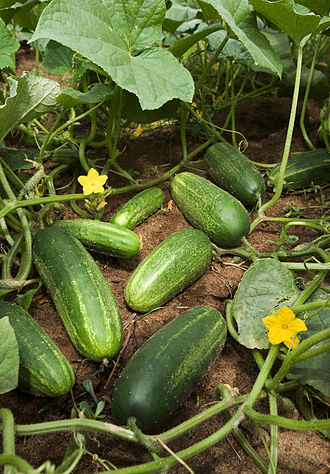
The cucumber is a widely-cultivated creeping vine plant in the family Cucurbitaceae that bears cylindrical to spherical fruits, used as culinary vegetables. Considered an annual plant, there are three main types of cucumber—slicing, pickling, and seedless.