Newly found wild onion in Iran is already critically endangered
Native Plants
A plant this rare, found in only one small pocket of Iran and already facing extinction risk, is a reminder that new species are still being discovered even as their habitats disappear faster than scientists can document them.
Researchers exploring western-central Iran found a wild onion relative that had never been described before, naming it Allium sarhadicum. It looks similar to a Turkish species but differs in bulb color and size, flower stalk height, and several other small details visible only to a trained eye. Because it grows in such a limited area under pressure from human activity, scientists immediately classified it as Critically Endangered.
Key Findings
New species Allium sarhadicum described from western-central Iran, part of the garlic/onion genus Allium section Scorodon
Distinguished from the similar Turkish species A. taiseba by bulb tunic color, bulb size, bulblet number, scape height, leaf-to-scape ratio, and floral part dimensions
Classified as Critically Endangered (CR) under IUCN criteria B and C due to restricted distribution and human land pressure
chevron_right Technical Summary
Botanists discovered a new wild onion species in Iran's mountains, but it's already at severe risk of extinction due to its tiny range and human pressure on the land.
Abstract Preview
Original paper
Allium sarhadicum, a new species of A. sect. Scorodon (Amaryllidaceae) from western-central Iran
During fieldwork conducted in western-central Iran as part of a study on endemic and rare species, a previously undescribed species of Allium (sect. Scorodon) was discovered. The new species is par...
open_in_new Read full abstractAbstract copyright held by the original publisher.
Species Mentioned
Was this useful?
Want to tell us more? (optional)
Thanks for the note!
Something went wrong — please try again.
Too many submissions. Try again in an hour.
Temperature regulation in plants: From molecular mechanisms to climate-resili...
The wheat in your bread and the vegetables in your garden depend on precise temperature cues to know when to flower and set seed — and scientists decoding ex...
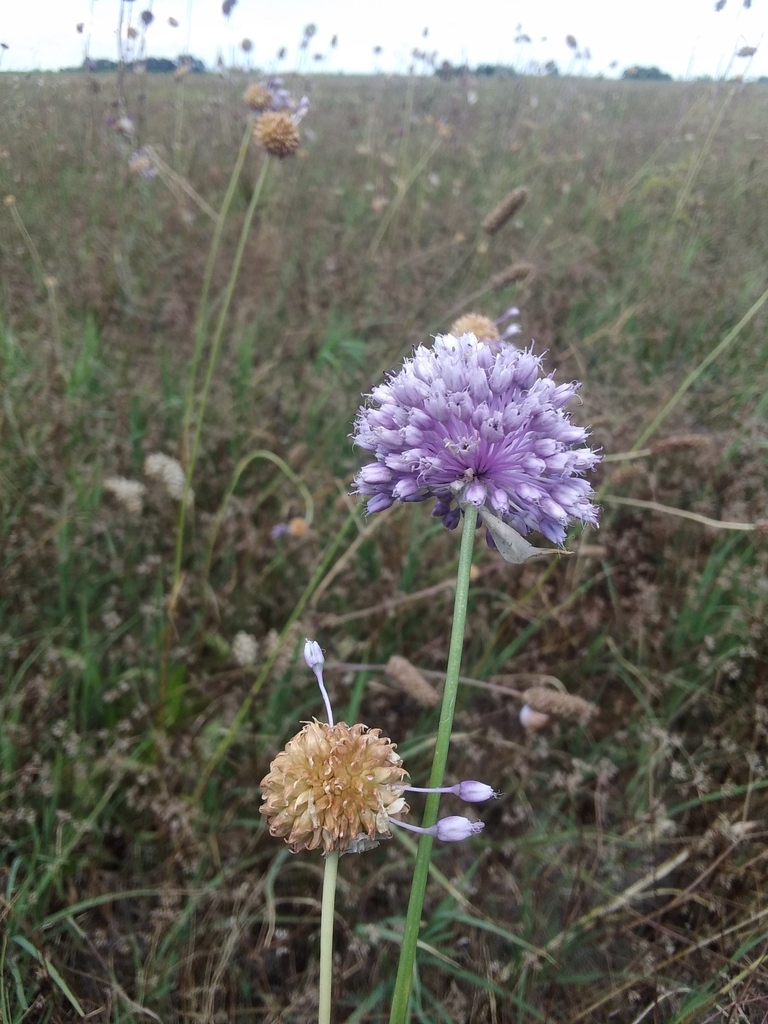
Photo by ÖkopatóPál, taken in Pest, Hungary. CC0 via iNaturalist.
Climate adaptation in plants refers to the physiological and evolutionary mechanisms through which plants adjust to changing environmental conditions, including temperature shifts, altered precipitation patterns, and seasonal variations. Understanding these processes is essential for plant science
arrow_forward Explore topic