Biochar plus iron pyrite protects soybeans on cadmium-tainted soil
Lee JJ, Kim GR, Choi IY, Basnet P, Lee G
Phytoremediation
If you garden in soil near old industrial sites or busy roads, this points to a low-cost soil amendment recipe that could keep contaminated dirt from crippling the natural nitrogen cycle your plants depend on.
Cadmium is a toxic metal that can build up in soil and mess with the helpful bacteria that legumes like soybeans use to pull nitrogen from the air. Researchers tried mixing charcoal-like biochar with different minerals, molybdenum, iron oxide, and iron pyrite, to see which combo best protected soybean plants growing in cadmium-tainted soil. The iron pyrite mix worked best, keeping the plants' nitrogen-fixing machinery running almost like normal and easing plant stress, while the other mixes either made cadmium uptake worse or didn't fully fix the nitrogen problem.
Key Findings
BC-FeS2 (biochar plus iron pyrite) was the only treatment that kept nitrogenase activity at control-comparable levels in cadmium-contaminated soil.
BC-FeS2 shifted rhizosphere nitrate/nitrite ratio to 2.39, close to the uncontaminated control's 1.82, versus 3.65-7.11 for other biochar treatments.
BC-Mo increased inorganic nitrogen levels but also increased plant cadmium burden and stress responses, while BC-Fe2O3 lowered nitrogen accumulation without restoring nitrogenase activity.
chevron_right Technical Summary
Scientists found that mixing biochar with iron pyrite (FeS2) helps soybeans grown in cadmium-polluted soil keep fixing nitrogen almost normally, while other trace-element combos either boosted cadmium uptake or failed to restore the plant's nitrogen-fixing ability.
Abstract Preview
Original paper
Effects of the co-application of biochar and trace elements on cadmium passivation and nitrogen biogeochemical processes in contaminated soil cultivated with soybean.
Cadmium (Cd) contamination of soil poses food safety concerns through its bioaccumulation and by disrupting biological nitrogen (N) fixation; therefore, reducing productivity and altering microbial...
open_in_new Read full abstractAbstract copyright held by the original publisher.
Species Mentioned
Was this useful?
Want to tell us more? (optional)
Thanks for the note!
Something went wrong — please try again.
Too many submissions. Try again in an hour.
Targeted knockout of a host peroxisomal peptidase confers field resistance to...
The corn in your grocery store and the staple food keeping millions of East African families fed is under serious threat from a viral disease that can wipe o...
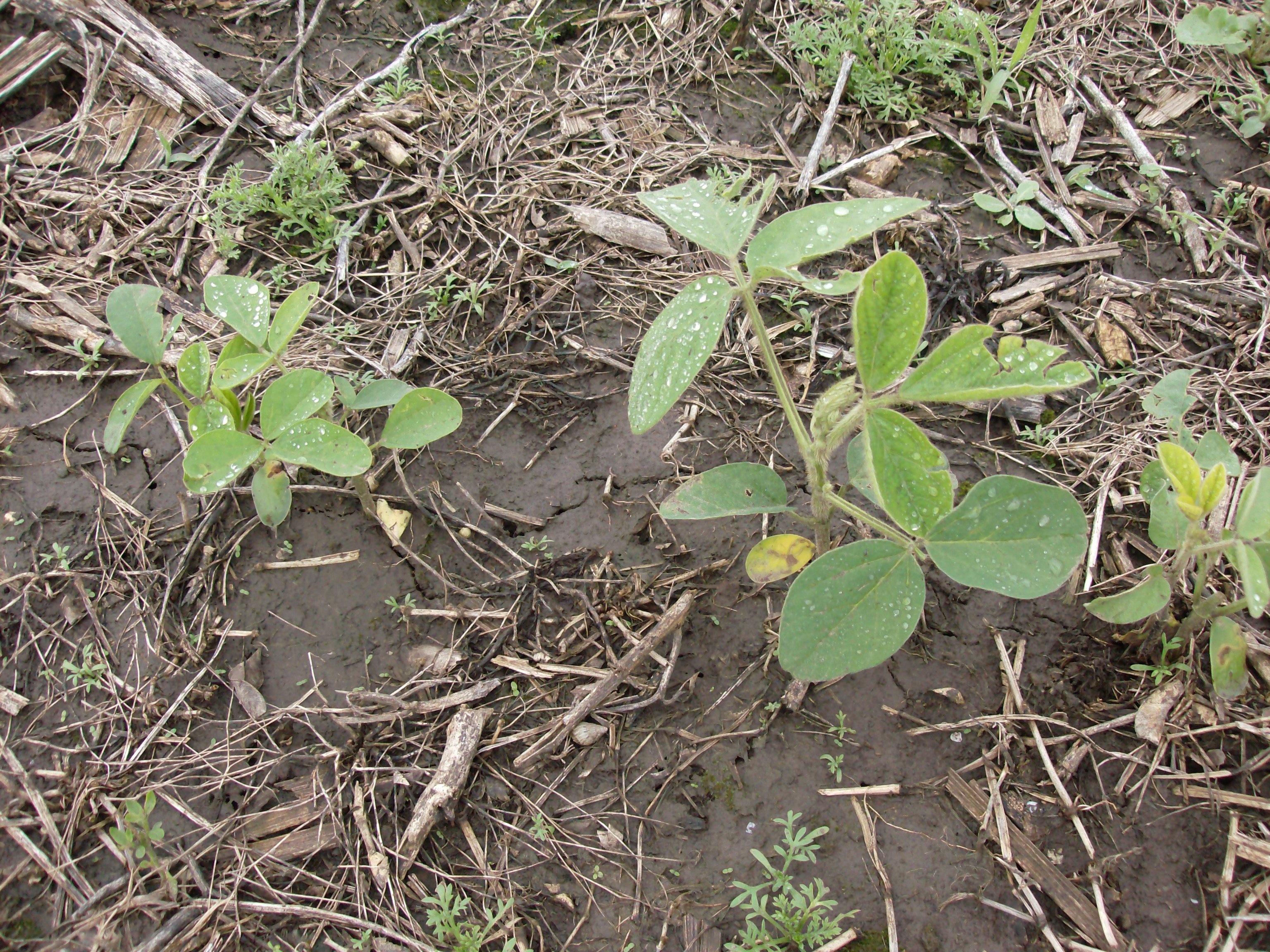
The soybean, soy bean, or soya bean is a species of legume native to East Asia, widely grown for its edible bean. Soy is a staple crop, the world's most grown legume, and an important animal feed.