A common garden mallow plant may help fight tooth decay
Braga AS, Dos Santos Araujo KC, Alves da Silva LR, de Paula Almeida G, de Castro Rocha AF
Medicinal Plants
The mallow growing along fences and in cottage gardens turns out to have a long folk-medicine history in mouth care, and this study gives it some lab backing as a gentler alternative to harsh antiseptic rinses.
Researchers took extract from Malva sylvestris, a mallow plant used for ages in folk remedies, and tested it on lab-grown dental plaque. On its own it didn't do much, but mixed with fluoride and xylitol it noticeably cut down on tooth enamel damage, and it was easier on gum cells than the strong antiseptic mouthwash chlorhexidine.
Key Findings
Mallow extract combined with xylitol reduced Streptococcus mutans counts by 1 log10/mL in dentin biofilm compared to a saline control (p=0.03), though not in enamel biofilm
Mallow extract plus fluoride and xylitol significantly reduced enamel demineralization versus control (p<0.0001), but had no effect on dentin demineralization
At 2% concentration, mallow extract showed lower toxicity to human gum fibroblast cells than 0.12% chlorhexidine mouthwash
chevron_right Technical Summary
Mallow plant extract, when combined with fluoride and xylitol, reduced tooth enamel breakdown and cavity-causing bacteria in a lab model of dental plaque, and was gentler on gum cells than the chemical mouthwash chlorhexidine.
Abstract Preview
Original paper
Antimicrobial and anticaries effects of Malva sylvestris associated or not with fluoride/xylitol under a microcosm biofilm model.
This study evaluated the effects of different combinations of Malva sylvestris on colony-forming unit (CFU) counts and microbiome in a microcosm biofilm, fibroblast cytotoxicity, and reduction of t...
open_in_new Read full abstractAbstract copyright held by the original publisher.
Species Mentioned
Was this useful?
Want to tell us more? (optional)
Thanks for the note!
Something went wrong — please try again.
Too many submissions. Try again in an hour.
Fifteen herbs from turmeric to lion's mane protect the aging brain
The saffron crocuses you plant in fall, the turmeric on a sunny windowsill, and the lemon balm spreading in your herb bed all contain compounds that clinical...
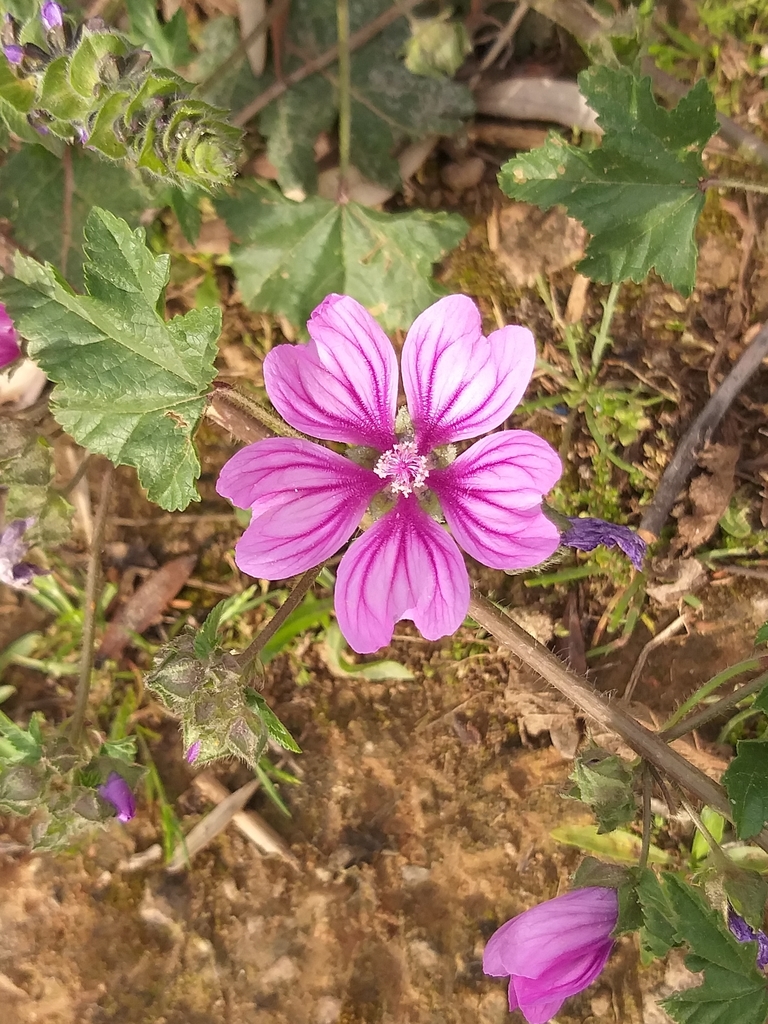
Photo (c) Marina Nioti, taken in Attica, Greece. CC BY-SA via iNaturalist.
Ethnobotany is the interdisciplinary study of how humans use, manage, and perceive plants across different cultures, drawing on knowledge from botany, anthropology, ecology, and chemistry. It matters for plant science because it documents traditional ecological knowledge that can reveal previously
arrow_forward Explore topic