If you've ever watered a raised bed with well water high in salts or gardened near a de-iced sidewalk, this points toward crops bred to shrug off salty soil instead of wilting from it.
Soybean plants have a gene called RbohB that helps them cope with salty soil, but scientists didn't know what turns it on. By attaching a tracking tag to a modified CRISPR tool and parking it right next to the gene, researchers caught the specific proteins that flip the switch during salt stress. Knowing those upstream controllers gives breeders new handles to pull when designing salt-tolerant soybean varieties.
Key Findings
1
A CRISPR/dCas9-based proximity labeling system was used to identify proteins physically interacting near the RbohB gene locus in soybean.
2
The approach pinpointed upstream regulatory proteins that activate RbohB expression specifically under salt stress conditions.
3
RbohB is linked to reactive oxygen species production, a key part of how plants sense and respond to salt stress.
chevron_right
Technical Summary
Scientists used a gene-editing tool called CRISPR/dCas9 to trace which proteins switch on a stress-response gene in soybeans when the plant is exposed to salty soil, revealing new targets for breeding salt-tolerant crops.
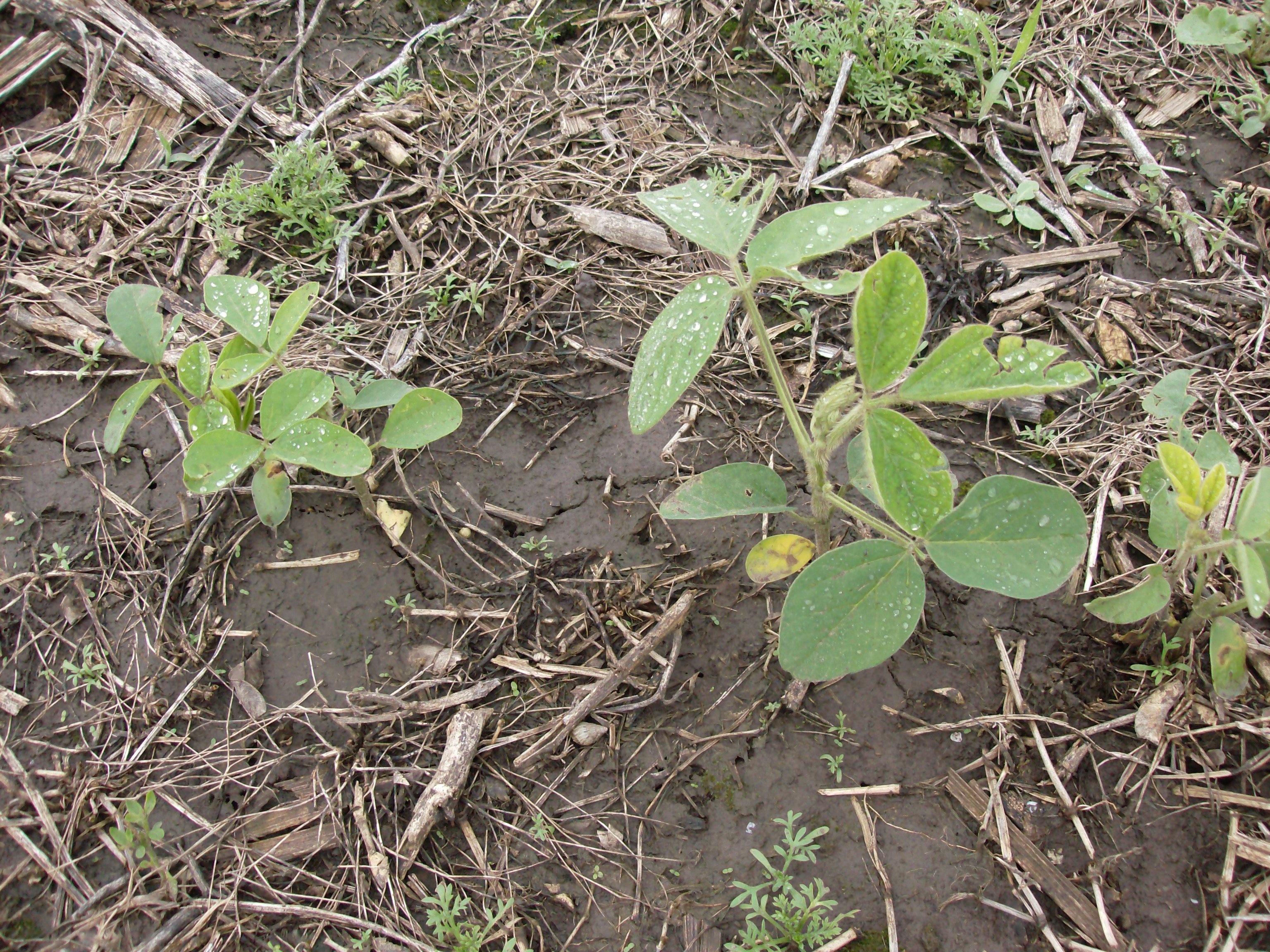
The soybean, soy bean, or soya bean is a species of legume native to East Asia, widely grown for its edible bean. Soy is a staple crop, the world's most grown legume, and an important animal feed.