Scientists map cucumber genes to outsmart mildew diseases
Dhall RK, Rana N, Kaur G, Mandyal SS
Crispr
If you've ever watched the leaves on your backyard cucumber vines turn white and crumple by midsummer, this research is aimed squarely at breeding plants that shrug off that exact problem without extra spraying.
Cucumber plants get hit hard by two fungus-like diseases, powdery mildew and downy mildew, that turn leaves white or yellow and tank the harvest. Instead of relying on more chemical sprays, researchers are digging through the cucumber's genetic code to find the specific genes that let some plants naturally fight off these diseases. They're using new tools like gene editing and rapid breeding techniques to speed up the process of creating tougher cucumber varieties for farmers and gardeners alike.
Key Findings
Powdery and downy mildew are the two most destructive foliar diseases limiting cucumber yield and quality worldwide
Researchers have used SNP genotyping, QTL mapping, genome-wide association studies, and marker-assisted selection to pinpoint disease-resistance genes
Combining CRISPR/Cas gene editing, genomic selection, and speed breeding is expected to accelerate the development of durable, broad-spectrum mildew-resistant cucumber varieties
chevron_right Technical Summary
Scientists are combining gene-mapping tools, CRISPR editing, and other cutting-edge breeding techniques to develop cucumber varieties that naturally resist powdery and downy mildew, two diseases that devastate crops worldwide and are getting harder to control with chemicals.
Abstract Preview
Original paper
Genomics assisted breeding for mildew resistance in cucumber: from gene discovery to future innovations.
Cucumber is an economically important vegetable crop cultivated worldwide, but its productivity is severely affected by destructive foliar diseases particularly powdery mildew and downy mildew. The...
open_in_new Read full abstractAbstract copyright held by the original publisher.
Species Mentioned
Was this useful?
Want to tell us more? (optional)
Thanks for the note!
Something went wrong — please try again.
Too many submissions. Try again in an hour.
Targeted knockout of a host peroxisomal peptidase confers field resistance to...
The corn in your grocery store and the staple food keeping millions of East African families fed is under serious threat from a viral disease that can wipe o...
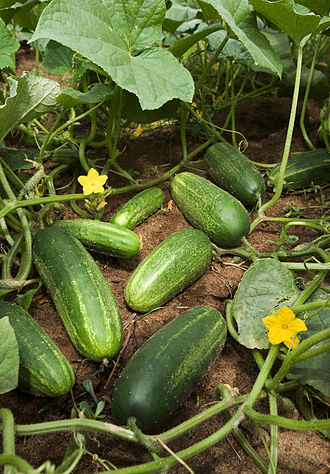
The cucumber is a widely-cultivated creeping vine plant in the family Cucurbitaceae that bears cylindrical to spherical fruits, used as culinary vegetables. Considered an annual plant, there are three main types of cucumber—slicing, pickling, and seedless.