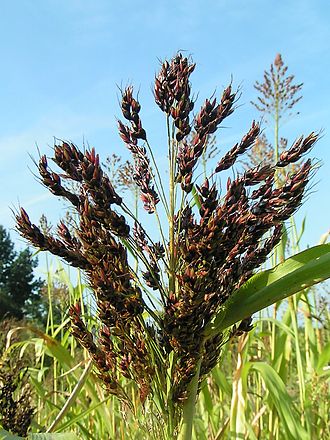
Grain husks may naturally block hungry storage pests
Seed Saving
The husk on the popcorn kernels you save for next season or the sorghum in your pantry isn't just packaging, it's a physical barrier that determines whether weevils get to your food before you do.
Grains like wheat, corn, and rice come wrapped in natural coverings, hulls and husks, that might do more than we realize. This research checks whether those coverings actually stop insects from getting inside and eating the stored grain. If the coating works well, farmers and home gardeners saving seed could rely less on pesticides and more on the plant's own built-in defenses.
Key Findings
1
Intact natural grain coverings (husks/hulls) were compared against dehulled or damaged grain for insect infestation rates
2
Physical integrity of the seed coat appears to influence how easily storage pests can penetrate and colonize grain
3
Findings suggest breeding or handling practices that preserve husk integrity could serve as a low-input pest management strategy
chevron_right
Technical Summary
This study looks at whether the natural husks and hulls covering grains like wheat, corn, and sorghum act as a built-in shield against insect pests during storage. Understanding this could help farmers reduce chemical pesticide use by relying on the grain's own protective coating.
Wheat is a group of wild and domesticated grasses of the genus Triticum. As cereals, they are cultivated for their grains, which are staple foods around the world. Well-known wheat species and hybrids include the most widely grown common wheat, spelt, durum, emmer, einkorn, and Khorasan or Kamut....