Nanoparticle and hormone combo helps cucumbers shrug off salty soil
Khan TA, Saeed T, Saeed RY, AlMuharrami MA, Almazrouei SM
Crop Improvement
If you've ever watered a vegetable bed with hard or slightly salty tap water and watched the leaves yellow, this points to a treatment that could help cucumbers and similar crops power through it.
Salty soil is tough on plants because it messes with their water balance and triggers a buildup of cell-damaging molecules. Researchers found that treating cucumber plants with a mix of tiny silicon particles and a natural plant steroid hormone helped them keep growing, stay hydrated, and photosynthesize normally even when watered with salty solutions. The plants also ramped up their internal defense systems, neutralizing harmful byproducts and better managing their water and energy reserves.
Key Findings
Co-application of 50 ppm SiO2 nanoparticles and 0.01 µM 24-epibrassinolide preserved shoot/root growth, biomass, leaf area, and photosynthetic efficiency (Fv/Fm, stomatal conductance) under 50-200 mM NaCl salt stress
Treatment boosted antioxidant enzyme activity (SOD, catalase, peroxidase, glutathione reductase), cutting hydrogen peroxide buildup, lipid peroxidation, and electrolyte leakage
Osmotic stress tolerance improved via enhanced proline accumulation and regulation of proline-metabolism enzymes P5CS and ProDH
chevron_right Technical Summary
Combining silicon nanoparticles with a plant growth hormone helped cucumber plants survive salty conditions much better, keeping their leaves greener and their cells healthier under stress that would normally stunt growth.
Abstract Preview
Original paper
Co-application of SiO2 nanoparticles and epibrassinolide enhances salt stress tolerance in Cucumis sativus.
Salinity stress is a major abiotic constraint that severely limits plant growth, physiological performance, and agricultural productivity worldwide. This study investigated the effectiveness of the...
open_in_new Read full abstractAbstract copyright held by the original publisher.
Species Mentioned
Was this useful?
Want to tell us more? (optional)
Thanks for the note!
Something went wrong — please try again.
Too many submissions. Try again in an hour.
Targeted knockout of a host peroxisomal peptidase confers field resistance to...
The corn in your grocery store and the staple food keeping millions of East African families fed is under serious threat from a viral disease that can wipe o...
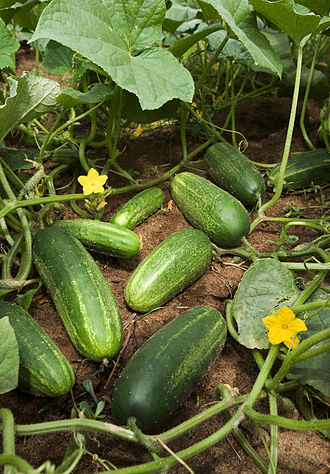
The cucumber is a widely-cultivated creeping vine plant in the family Cucurbitaceae that bears cylindrical to spherical fruits, used as culinary vegetables. Considered an annual plant, there are three main types of cucumber—slicing, pickling, and seedless.